


Teeth grinding, also known as bruxism, can occur simultaneously with the awake period or when you are sleeping, but commonly, a person is in such a state as a result of the mentioned external conditions, which are stress and sleep apnea. Hence, the moment you recognize clenching and grinding as your bedtime motions, it’s high time for you to rethink. Basically, this paper helps to understand the link between stress and sleep apnea to teeth grinding and introduces the manner and tips for the problem.
The dental health care system we have at Lema Dental Clinic goes a long way past caring for your teeth only; it is meant to assist you in obtaining a Hollywood Smile. In case of grinding-induced teeth damage, we have the perfect combination of treatments, dental veneers, and dental implants to make your teeth look and function like new again. On the one hand, our team will collaborate with you to create a smile that is not only visually appealing but also that is indicative of the peace of mind you receive from the elimination of bruxism causes.
The Connection Between Stress and Teeth Grinding
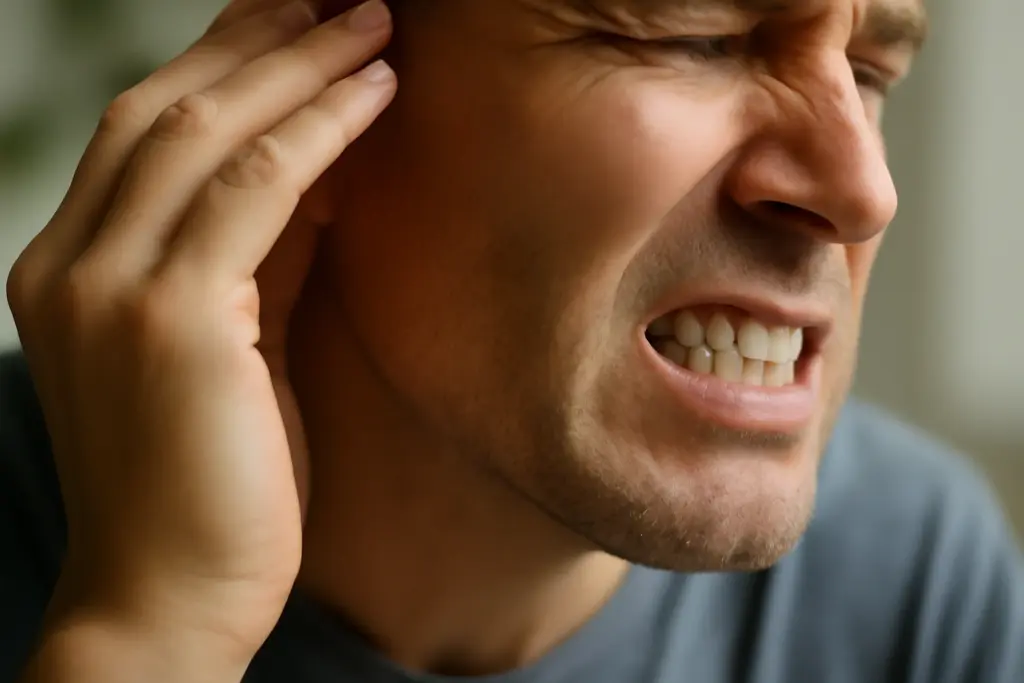
Among other stress is the main reason of teeth grinding, in particular, for people who are in a stressful situation. Generally, in the period of worry and irritation, people tend to pull in too many muscles at once. It is not uncommon for these muscles in the jaw. And as a result of the frequent muscle tightening over time, bruxism can be here with you.
It is very likely that both under stress and during sleep, a person may start teeth grinding, which in turn will allow the body to get rid of the lumped-up tension. Moreover, if the cause of teeth grinding is left unattended, then the stress-related bruxism, as well, can escalate. To decide the accuracy of stress as a cause of grinding, you may use the following question as an example of your lifestyle: Do you have a difficult time at your place of work or in your personal life? Do you feel overwhelmed by the situations that you have encountered lately? These and other factors significantly contribute to teeth grinding.
Understanding Sleep Apnea and Its Impact on Bruxism
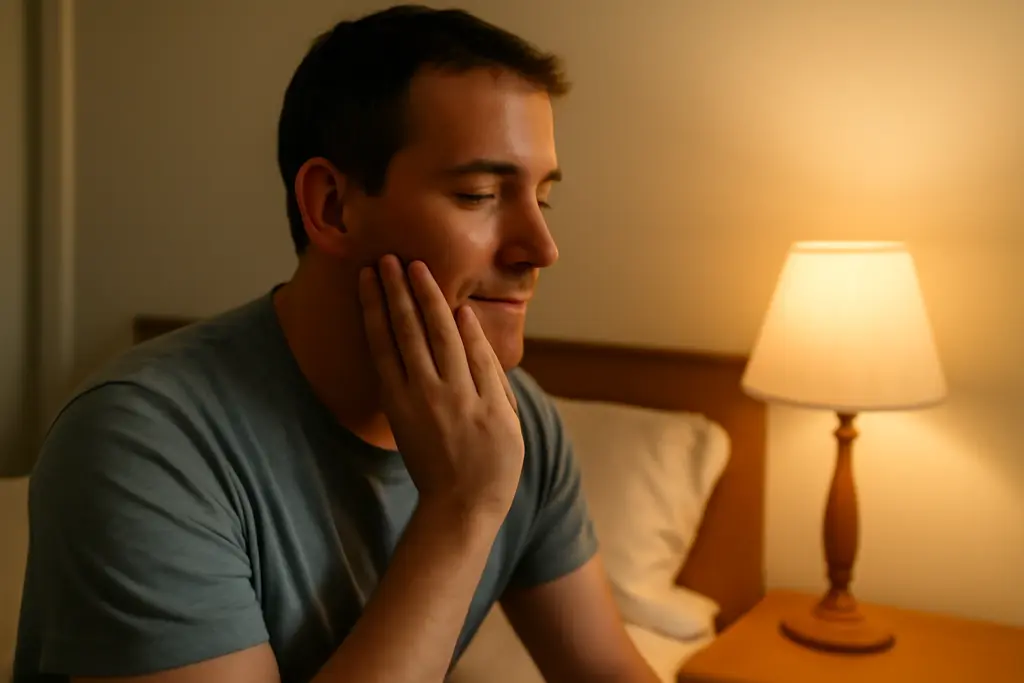
Sleep apnea is a severe illness that briefly halts your breathing while you are asleep. In these cases, the normal rest is interrupted, and the patient is awakened several times during the night. Patients who suffer from apnea usually also have teeth grinding as a phenomenon whereby the jaw is being repositioned in order to be able to breathe again through blocked airways.
In addition, involuntary muscle contractions can occur when the body lacks oxygen, which is blocked in the airways, and teeth grinding is one such muscle contraction. The dental problems will be aggravated by the presence of sleep apnea and bruxism if this situation is not properly taken care of, resulting in dental damage, jaw pain, and headaches. The people who snore very loudly or are very sleepy during the day may suffer from both disorders.
Risks and Consequences of Teeth Grinding
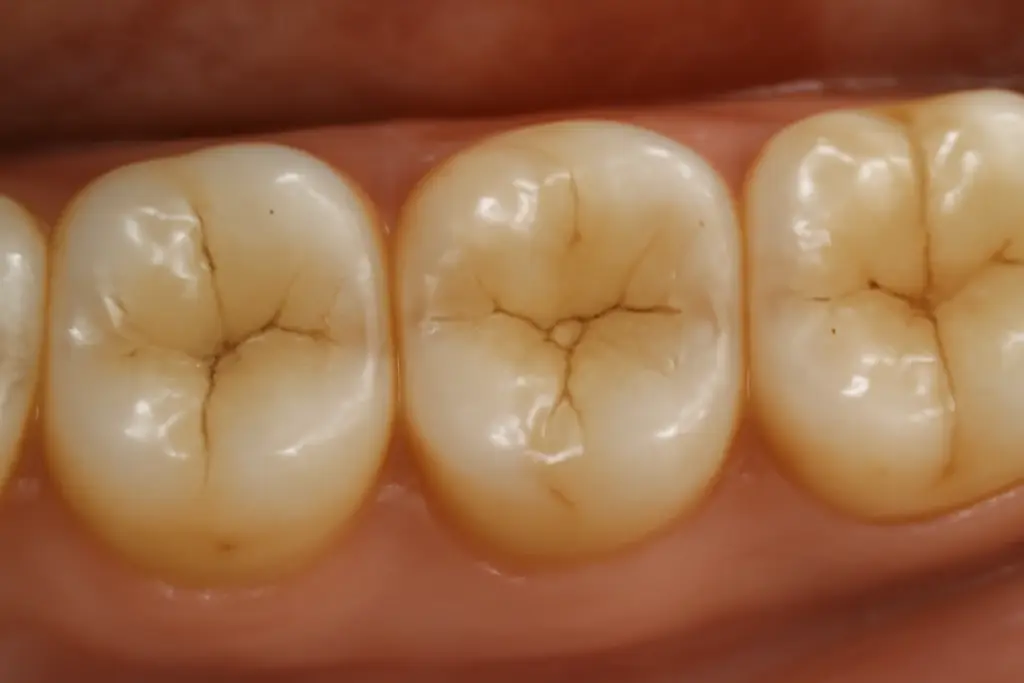
Grinding of the teeth (bruxism) is not just a frustrating habit but can lead to major problems besides. Gradually, through the development of excessive pressure application on teeth, the teeth will abrade, along with a possibility of cracking or even breaking off. By this destruction, the sufferer will have the problem of sensitivity, that is, in the process of chewing, and in addition to the likelihood of getting cavities will be increased as well.
More so, the bruxism issue can also affect jaw muscles and cause pain and discomfort in these muscles, particularly at the temples and the parts of the jaw that are close to the temples. It could get that bad, and the person may suffer from temporomandibular joint (TMJ) disorders. The jaws and teeth on which the pressure is being exerted might also be the reason for the headaches and earaches, and consequently, your discomfort will be doubled.
Effective Treatments for Stress-Related Bruxism
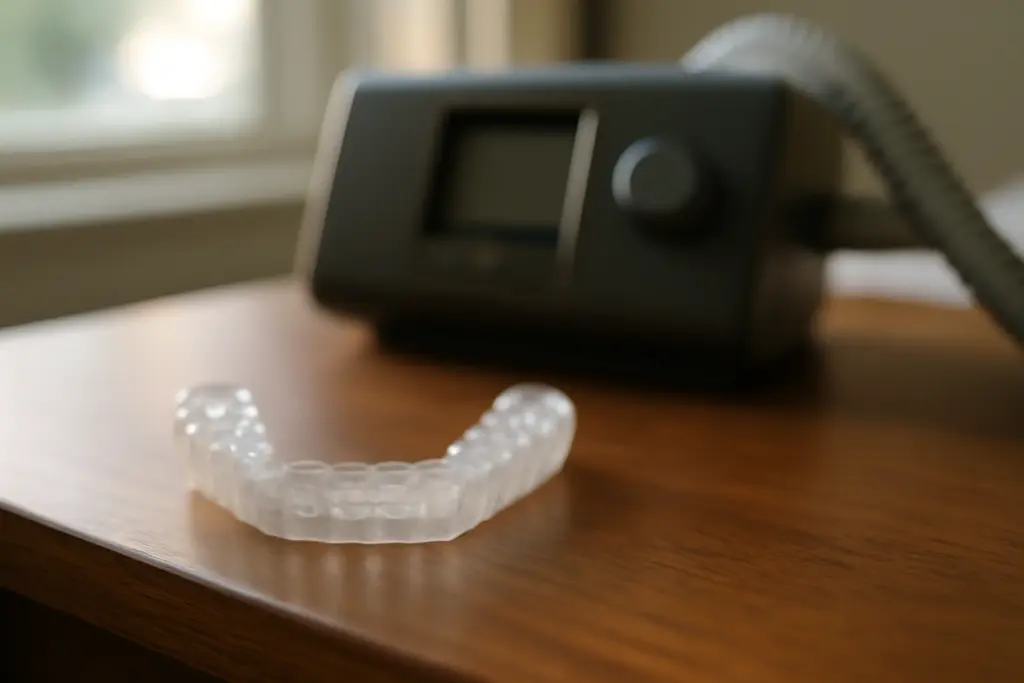
There are different ways to treat stress-induced bruxism. The identification and elimination of guilt and worry in one’s life is the main way to get rid of stress. Talking therapy or practicing yoga, meditation, or any other relaxation technique is great for helping anxiety that leads to teeth grinding. The stress-relieving activity of regular exercise will not only be able to reduce the general stress level but will also be a preventative for nighttime grinding.
Another commonly used treatment is the use of a custom-fitted nightguard. These guards not only protect your teeth from the pressure but also prevent damage from happening. If stress is the main cause of your bruxism, your doctor might suggest some stress-relieving practices or even give you a prescription to help control the anxiety.
Successfully Managing Teeth Grinding with Support of Lema Dental Clinic
If you are suffering from teeth grinding, Lema Dental Clinic in Istanbul has a variety of treatments that are designed just for you. Our dental team of experts can assist you in identifying the source of your bruxism and developing a customized treatment plan that will safeguard your smile.
At Lema Dental Clinic, we are proficient in both the preventive and the restorative procedures for the condition of teeth grinding. Our nightguards that we make just for you are the best option to keep your teeth safe, and at the same time, our all-inclusive dental care will ensure that stress or sleep apnea, which has been your hidden enemy, will be fully resolved. In the case that it becomes necessary, we also provide the possibility of a consultation with the use of advanced treatments, such as giving a smile to the patient through cosmetic procedures.
FAQ:
Stress can cause teeth grinding by increasing muscle tension, especially in the jaw. When you’re stressed, you might clench your teeth or grind them unknowingly, especially during sleep.
Yes, sleep apnea can cause bruxism. When your breathing is interrupted during sleep, your body might respond by grinding your teeth in an attempt to reopen your airway.
Common signs include waking up with a sore jaw, headaches, worn-down teeth, and tooth sensitivity. You might also hear a grinding sound if someone is nearby.
Teeth grinding is treated with custom nightguards, stress management techniques, or addressing underlying conditions like sleep apnea. Your dentist may also recommend therapy to manage anxiety.
If you notice signs like tooth wear, jaw pain, or headaches, it’s time to see a dentist. Early intervention can help prevent serious dental damage.

