


Temporary dental fillings are a normal and common aspect of contemporary dentistry practice. They are used to help preserve and provide protection for the teeth that are not only awaiting further treatment, but also for those that are in need of proper healing. One of the most common questions that patients tend to ask is, “How long will the temporary filling last in my case?”
For those that do understand what temporary fillings are for, what they can expect from them in terms of length of time as well as the means of care they are going to need, they will be able to ensure optimal oral hygiene and oral care manageability while at the same time being prepared for the permanent restoration to take place.
At Lema Dental Clinic, for instance, for us, patient safety as well as the maximum effectiveness of temporary fillings are extremely important in the pursuit of optimum dental well-being.
Temporary fillings are usually done with use of the following materials – zinc oxide-eugenol, glass ionomer, and other resin compounds.
These fillings serve to cover the tooth such that it is prevented from any kind of causing and/or exposing it to any infections, to attain some sensitivity control, and to ascertain that the surrounding dental tissue gets stable before the placement of a permanent filling or crown. Temporary fillings therefore help to keep the tooth under a protective mechanism as it heals.
Purpose of Temporary Dental Fillings

There are several situations in which it is not unusual to find temporary fillings, among them:
Protection After Tooth Decay Removal: In the case that decay has resulted in the removal of a cavity the structural integrity of the tooth is affected. A temporary filling plays a crucial role in protecting the tooth from further decay and damage as it waits for a permanent restoration to be made.
Preparation for Complex Treatments: Some procedures like root canal therapy involve several appointments. Temporary fillings stabilise the tooth and help maintain its structure between appointments.
Observation Period: Dentists will at times employ temporary fillings so as to check on how a tooth has reacted to a specific treatment. This helps them to be able to make a better decision as far as permanent restoration is concerned thus their use builds as a foundation for providing the best possible care for oral health.Temporary fillings serve as first aid repairs that help ensure that your tooth is healthy, infection-free, and structurally sound until a permanent solution can be put in place.
How Long Do Temporary Fillings Last?
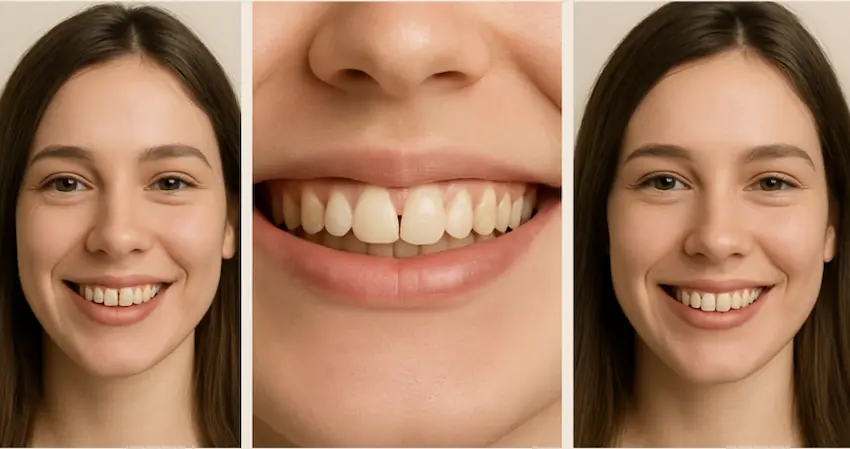
The lifespan of a temporary dental filling can vary, as there are several factors involved including the type of material used, location of the tooth, your bite, and your oral habits. The average time that you can expect from a temporary filling is:
General Lifespan: The typical most common duration for temporary fillings is around 2–6 weeks. In some instances or depending on the type and placement, these fillings may last for a few months.
Material Differences: Zinc oxide-eugenol is much better; the fillings made with this material are relatively soft and may wear off faster. The durability of glass ionomer or resin-based temporary fillings is much better, and they are hence preferable when possible.
Tooth Placement: Molars are located in a part of the mouth where they are subject to the most chewing forces hence causing the temporary fillings to wear off faster than the fillings present on front teeth at least for a certain time.
To maximize the effectiveness and lifespan of your temporary fillings, it is imperative that you follow your dentist’s directions and schedule an appointment for permanent restoration in a timely manner. Please keep in mind that temporary fillings aren’t intended for prolonged use so that patience along with following through with the dentist’s recommendations can go a long way.
Factors That Can Shorten the Lifespan of a Temporary Filling
Chewing Hard Foods: It is easy for an individual to see how chewing on sticky or crunchy foods could displace or crack the temporary filling.
Bruxism (Teeth Grinding): If you have a habit of grinding or clenching your teeth, then you can see that this will put additional stress on a temporary filling wearing it down much sooner than anticipated.
Poor Oral Hygiene: If or when bacteria accumulate and form around a temporary filling, decay or infection can lead to a situation in which the filling is no longer effective, which means that you should take care of your teeth and regularly brush and floss them.
Improper Bite Alignment: If a tooth has uneven pressure, the temporaries may wear off fast as they are not properly fitted into your mouth. If you suspect this condition, go to a dentist to correct it. Even temporary fillings should be treated with care and look at your teeth as an important part of your body that should always be taken care of as any damage can lead to expensive expenses in the future.
In case you feel a persistent kind of sensitivity to heat and cold, you should take care. Regarded as a sign of its failure, this requires serious attention.If you notice that the filling appears to be loose and has cracks or has fallen out altogether it is necessary to visit your dentist immediately.Swelling, redness, or unusual discomfort in surrounding gums is a giveaway sign to strengthen immediate attention because it can signify an indication of the problem associated with the filling.
Maintain Oral Hygiene: While it can be difficult to take care of a tooth with temporary filling in it, you need to brush your teeth twice in a day and floss around the filling very carefully.
Avoid Hard and Sticky Foods: Your temporary filling is not very strong and thus should not eat sodas, chewing gum, bitter sweets, and other hard foods that can unnecessarily exert stress on the fragile structure. This is because chewing these foods can lead to damaging or dislodging the filling.
Subject to Follow-Up Visits: It is essential to visit your dentist without fail for the placement of the permanent filling or crown after the recommended time period. Since temporary fillings are meant to be temporary protection but not a permanent solution, not going for a follow-up can lead to further damage to the tooth.
Protective Measures: If you are a bruxer, i.e. you grind your teeth when you sleep, it is crucial to take the necessary precautions to protect your temporary filling. This can include wearing a night guard to diminish the pressure on the filling and the tooth. By following this advice, you will be able to guarantee that the filling remains lost in good condition until the permanent solution is made happy.
References
Temporary Fillings Overview
American Dental Association. (2023). Temporary Dental Fillings: Protecting Teeth Between Treatments. https://www.ada.org/resources
Longevity of Temporary Restorations
Murray, P. E., & Garcia-Godoy, F. (2008). Temporary restorative materials: Clinical performance and durability. Journal of Esthetic and Restorative Dentistry, 20(6), 371–378. https://doi.org/10.1111/j.1708-8240.2008.00197.x
Post-Treatment Care and Maintenance
Healthline. (2022). Temporary Dental Fillings: What to Expect and How to Care for Them. https://www.healthline.com/health/dental-and-oral-health/temporary-fillings
Some temporary fillings may last a few months, but they are not designed for long-term use. Regular follow-up is essential.
Contact your dentist immediately. A temporary filling protects your tooth from bacteria and sensitivity, so prompt replacement is important.
Yes, mild sensitivity is common, especially to hot, cold, or pressure. It should subside once the permanent restoration is placed.
You can eat soft foods, but avoid sticky, hard, or chewy foods that may dislodge or damage the filling.
Placement is usually painless, though the treated tooth may feel sensitive for a short period. Local anesthesia is used if necessary.

