


Pain, swelling, looseness.
Dental implants offer a permanent and dependable substitute when you lose a tooth or teeth. Once nicely fused with the bone of the jaw, they will act as a solid base for artificial teeth. However, there is always the chance that something gets wrong during the treatment or later on that may jeopardize the implant’s survival just like with any other health intervention.
If you want to know how to identify a failing dental implant, it is crucial that you understand what the possible signs of complications are first. The purpose of this post is to familiarize the readers with the common indications of implant failure and the appropriate measures to take if an issue is suspected.
Typical Symptoms of a Failing Dental Implant

Below are some of the most frequent symptoms of a failing dental implant:
Pain or Discomfort
Some discomfort locally after the implant procedure may be expected and considered normal, however, if there is persistent or very intense pain at the site then it should be regarded as a warning that the implant is not doing well. Pain that does not go away, or gets worse over time, could signal that the implant has not become stable with the bone of the jaw or that there is infection present.
Swelling or Redness
It is normal to experience some swelling and redness in the area just after getting your implants but these symptoms should not last for a long time and instead decrease as healing continues. Should you observe that the implant site is markedly swollen and red even after you are done with most of your healing, it is most likely that you are suffering from an infection or peri-implantitis (infection of the tissues surrounding the implant).
Implant Loosening
If you start feeling that your implant is loose or moving, then most probably you have not been able to get a good anchorage between the bone and implant. This can mean that the implant did not osteointegrate properly with the bone of the jaw, which is a very critical requirement for the implant to be firm and stable. A loose implant has to be checked out by the dentist without any delay.
Gum Recession
Gum retraction in the vicinity of the dental implant, i.e., when the gum tissues start pulling away from the implant, can be a sign of infection as well as bone loss. Also, if the implant is not working properly, it will not be able to support the gum tissues around it, hence, gaps between the gum and implant will appear.
Changes in Bite or Alignment
If, after implant placement, you suddenly notice that your bite has changed or the alignment of your teeth seems off, then it may be that the implant has moved or shifted its position. Any difference in how you bite should be taken care of promptly so as not to allow other problems to arise.
Pus or Bad Odor
Around your dental implant, you see that some pus is coming out or the area smells bad, it can be a sign that you have an infection. Possibly the implant is not integrating well with the bone, or the gums have become inflamed. If not attended to, infection can cause your implant to fail.
Possible Reasons for Implant Failure
There are many reasons why a dental implant could fail, for example:
| Causes | Explanation |
| Poor Osseointegration | Implant is not able to attach firmly to the jawbone thus remains unstable. |
| Infection | Bacteria infection at the area of the implant causes inflammation and loss of the implant. |
| Insufficient Bone Density | There is not enough bone to support the implant, hence it fails. |
| Excessive Pressure | Excessive pressure, such as when a person grinds his/her teeth (bruxism), on the implant can damage the implant. |
| Health Conditions | Diseases such as uncontrolled diabetes or auto-immune issues have an impact on healing. |
How Should You Respond to a Failing Implant?
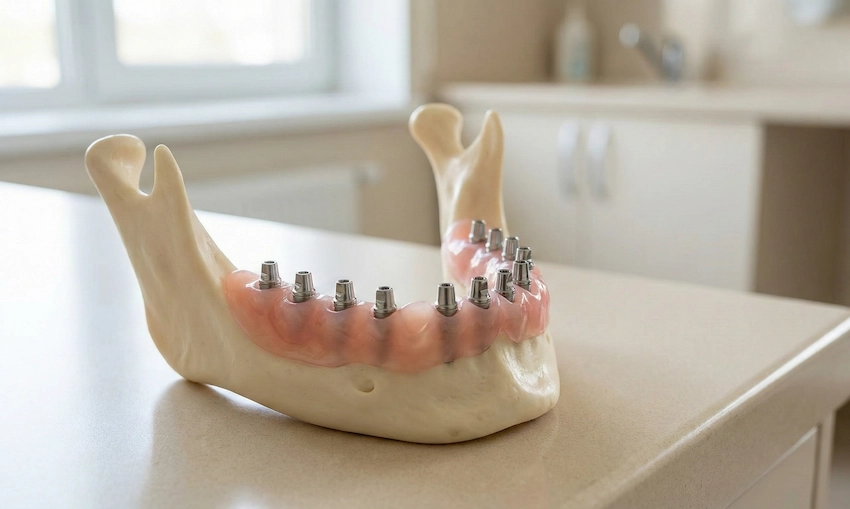
The sooner you intervene, the less likely it is that you will have additional problems and that the implant will be abandoned. Here are the various stages of a dentist visit:
- Recognition and Clarification: Your dentist is going to perform a comprehensive check-up, and probably a 3D scan, to figure out exactly what the underlying problem is.
- Therapy Outline: Your dentist is going to advise methods such as implant cleaning or bone graft to help solve the problem.
- Aftercare: When the implant is saved, your dentist will set up regular check-ups to confirm that the healing is progressing well and that the implant is still stable.
Dental Implants in Turkey: Top-notch Treatment at LEMA Dental Clinic
We at LEMA Dental Clinic in Istanbul facilitate the service of dental implants at a very high standard and guarantee that each of our patients is provided with highly individualized treatment along with the best possible options available. In case you have lost a tooth or teeth and need dental implants, or you want to have a full mouth restoration, our skilled professionals employ advanced techniques and superior quality materials to offer results that last.
A dental implant is usually a major step that you make, and we at the clinic are committed to assisting you all the way. We emphasize your convenience, safety, and lasting oral health from the day we meet for the first consultation and examination through to the day your implant is fixed in place.
Thanks to the fact that we operate at a high level of quality but our prices are still reasonable, LEMA Dental Clinic has become a preferred location for dental implants in Turkey. We always strive for excellence and that means that you get the best treatment for your implant which will give you a smile that is not only healthy and functional but also very attractive.
Frequently Asked Questions About Dental Implants Work
Signs include persistent pain, swelling, gum recession, or a loose implant, which could indicate infection, misalignment, or bone issues.
No, once the implant is integrated with the jawbone, you should not feel it, as it becomes securely embedded in the bone.
Healing typically takes 3-6 months, depending on bone quality, individual healing, and whether any additional procedures, such as bone grafting, were required.
Yes, dental implants can still be placed with procedures like bone grafting or sinus lifts, which help regenerate bone to support the implant.
With proper care, dental implants can last 10-15 years or longer, depending on the implant type, your oral hygiene, and regular checkups with your dentist.
Esposito, M., & Grusovin, M. (2020). Immediate Loading of Dental Implants: Clinical Outcomes and Considerations. Journal of Oral Implantology, 47(1), 22-30.
Sakkas, S., & Kotsakis, G. (2019). Dental Implants and Oral Hygiene: Ensuring Longevity and Reducing Complications. Clinical Implant Dentistry and Related Research, 21(3), 348-357.
LEMA Dental Clinic (2024). What to Expect After Dental Implant Surgery. Retrieved from LEMA Clinic Website.

