What Is The Cause Of Bad Breath?
Bad breath, or medically known as halitosis, normally emanates from the oral cavity, but it may also be a sign of another health problem. In the vast majority of cases, the main reason for bad breath is the negligence of oral hygiene, which causes poor food sanitation and bacterial presence in the mouth. The bacterial collaboration breaks down pieces of food and releases sulfur compounds, and the resulting mixture emits a bad smell. Other dental problems, such as gum disorders, cavities, or an untreated tooth, can also lead to bad breath. Here we give the details of the reasons for bad breath:
- Plaque and Tartar on Teeth: The hardening of plaque that occurs due to a combination of plaque and tartar on teeth and gums in due course of time. That gives bacteria the room to grow and create an unpleasant smell, which is the source of the bad breath.
- Gum Disease: The most common causes of bad breath are gingivitis and periodontitis. They come about as a result of bacteria residing in the gums, which in the end causes swelling, bleeding, and a constant smell that is usually there.
- Decay of a Tooth: The bacterial production in the tooth results in a hole, and it is said that this cavity, if not taken care of, will lead to tooth rot and a foul smell.
- Dry Mouth: Literally, saliva removes particles of food and bacteria from the mouth. A dry mouth, on the other hand, is characterized by a decreased amount of saliva, which then gives rise to a bad breath situation.
- Food and Beverages: Some foodstuffs like garlic, onions, spicy foods, and drinks such as coffee have a certain level of pungency visible during the time they stay in the mouth and are the cause of bad breath.
The cause of bad breath occurring in the teeth is a clear indication of an unsatisfactory oral hygiene routine, necessitating the urgent addressing of the issue through a suitable treatment.
Can Bad Breath Occur After a Tooth Extraction?

It can result in bad breath after tooth extraction, but it’s usually temporary. The spot within the mouth where the tooth is removed may get a clot after the operation, which that clot can turn into a source of bacteria in case the spot is not washed properly. This can then cause a bad odor to the breath. If the extraction site is infected, it will cause a very strong, bad breath termed “dry socket,” which needs immediate medical attention. To lessen bad breath susceptibility after an extraction, the following is important:
- Adhere to Post-Surgery Guidelines: You should obey your dentist’s post-surgery guidelines, like how to look after the wound and when to rinse with saltwater.
- Quit Smoking: Smoking has the effect of causing the body to take a longer time than necessary to heal, and also to increase the probability of infection, which, if it occurs, may aggravate bad breath.
- Oral Health Maintenance: Gargle your mouth gently with lukewarm saltwater to stimulate the healing of the area and at the same time to stop bacteria from wanting to grow.
- Take in Fluid: You should drink enough water so that your mouth stays moist and thus keep any xerostomia at bay, which is also a factor of halitosis.
How Is Bad Breath Treated?
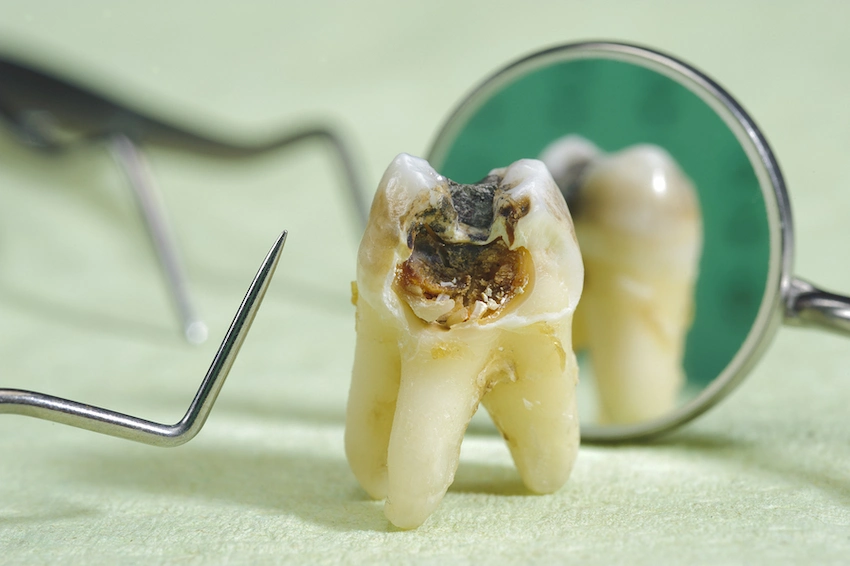
Eliminating the cause and reclaiming the problem are the mainstays of treating bad breath originating from teeth issues. Your dentist is likely to give you a specific professional procedure if the reason for your bad breath is gum disease, plaque, or cavities. Below are some of the most common treatments for bad breath from teeth:
- Professional Cleaning: A dentist will professionally clean plaque and tartar from a patient’s teeth and gums, should these substances can support bad breath.
- Fillings and Restorations: Trapped bacteria in decayed teeth can be removed, and the breath improved through the intake of fillings or other restorations by those who have cavities or tooth decay.
- Gum Disease Treatment: The working method here is deep cleaning or scaling as a preventive measure to eliminate tartar from below the gum line and thus return the tooth to a healthy state.
- Dental Implants or Bridges: Cases of bad breath, which is a result of lost teeth, can be solved by dental implants or bridges, which will replace the missing teeth, thus gaining the overall benefit of your well-restored smile and function.
- Mouthwashes and Antibiotics: If a mouth infection is the cause of bad breath, a dentist may suggest the most. Effective antimicrobial mouthwashes or antibiotics that fight the infection. Such treatment methods can kill the bacteria in the mouth and prevent the foul smell that results from their growth.
- Oral Hygiene Procedure: The observance of strict oral care routines is the most fundamental thing. Ensuring you brush your teeth at least twice a day, floss as well as scrape your tongue will not only reduce the number of bacteria existing but also contribute to a healthier mouth.
How Do Foods Affect Bad Breath?
Certain foods can cause the heaviest impact on bad breath, with three of them recorded as garlic, onions, and spicy dishes, having their compounds create such a bad smell in the mouth when their digestion is the main process of their breakdown. The situation becomes worse when these compounds are exhaled through the lungs, and literally, their release gives a specific odor to the breath. Let’s now examine the relationship between food and bad breath.
- Garlic and Onions: On one hand, these products contain chemicals that give off a strong smell and, on the other hand, they transfer it to the lungs, again by way of the blood system if they are the objects of digestion. Thus, after they have been absorbed and exhaled, a person is affected by the unpleasant odor of the breath reflected.
- Spicy Foods: Mouth-dreadful spicy dishes like curry and chili are super strong and hard going. Plus, these dishes are capable of making the stomach feel uncomfortable, going to the extent of causing acid reflux, which in the end leads to bad breath.
- Coffee: Coffee and, especially, coffee with a strong aroma can influence the breath and can create dryness. The consequence is that the mouth becomes dry, and the possibility of bacteria taking over is very high. This would later cause the breath to be unpleasant.
- Sugary Foods: Foods that are rich in sugar contribute to the production of bacteria in the mouth. The problems that occur here are that bacteria will spoil the teeth’s enamel, and also, the person’s breathing will be very bad due to the acid that is coming from the bacteria.
- Alcohol: Alcohol dries the mouth, thus stifling the salivary flow and carbohydrates that turn into bacteria; in addition, a bad odor is generated and then spread. The smell left behind is another trigger of bad breath.
As a result of chewing crunchy leafy foods like apples and carrots, teeth are naturally cleaned and the mouth is adequately refreshed due to the stimulation, which encourages the production of saliva. On the other hand, to keep a decent breath, drinking enough water is also advised since it prevents the condition of a dry mouth.
How to Maintain Oral and Dental Care Properly?
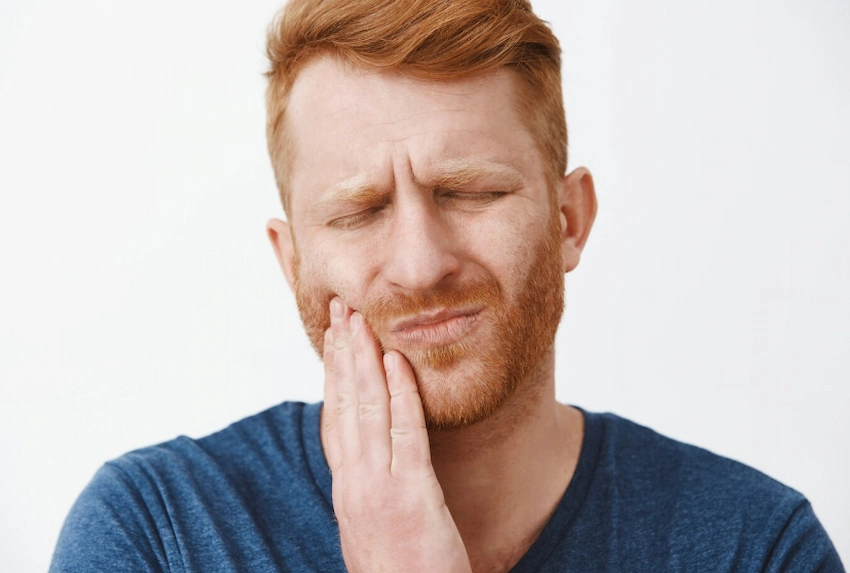
One of the ways of not avoid bad breath as a result of the teeth is to observe excellent oral hygiene. These are some of the tips to ensure the cleanliness of your mouth and to avoid the bad smell of your breath:
- Brush Your Teeth Twice a Day: It is advisable to use fluoride toothpaste when brushing your teeth the first time for at least two minutes in the morning and lastly, before bed. Do remember to brush all mouths of teeth, including your tongue, without exception. The tongue is the major source of bacteria.
- Floss Daily: To remove food particles and plaque that are stuck in between the teeth, flossing is the best method. It is beneficial in terms of halitosis prevention, and it is one of the best ways to avoid gum disease.
- Use Mouthwash: Mouthwash that includes antibacterial substances is an effective way to combat germs and, at the same time, keep your breath fresh. Look for a reliable mouthwash that can deal with plaque and gingivitis.
- Hydrate: Ensure that your mouth remains moist by taking adequate water every day. This helps to remove food particles and bacteria that are the cause of the bad breath, through saliva.
- Go for Regular Dental Checkups: Regular dental check-ups and cleanings are extremely important elements in keeping our oral hygiene fresh and alive. A dentist is capable of discovering problems like gum disease and tooth decay in their early stages; therefore, bad breath does not become an annoying issue.
FAQ: What Is The Cause Of Bad Breath?
Yes, bad or decayed teeth can cause bad breath because bacteria become overpopulated in the decayed areas, thus releasing an unpleasant odor. The urgent removal of dental caries is instrumental in curbing halitosis and preventing other dental anomalies from taking root.
Halitosis induced by tooth disorders can only be completely gotten rid of if their cause is dealt with, such as, in most cases, by treating the cavities, gum disease, or infection. Regular brushing, flossing, and professional dental cleanings are effective ways of keeping away the most sought-after bad breath.
Bad breath occurs if a person fails to maintain good oral hygiene,leading the decay of the teeth, and then consequent gum diseases, dry mouth, or dietary intakes that they consume. Bacteria in the mouth produce smelly molecules that cause the bad smell.
When the bad breath comes from teeth or some other types of dental problems, then a dentist is the one you need for a diagnosis as well as treatment. A doctor may be required in case it is important to ascertain the relationship of these problems to other larger medical issues.
No, halitosis is not a permanent condition and it is very often reversible through practicing good oral health, finding dental treatments that work, and changing one’s lifestyle. Normally, bad breath being persistent is a clear indication of underlying issues that require clinical attention.