The general anesthesia is not only a wonder but a total switch of the scene for the modern dental world. The use of it in dentistry has changed the whole state of things, that are particularly good news for the scared, the handicapped, or the ones that are in urgent need of a large amount of the doctors’ work simultaneously.
But it is important to remember that just being born with natural teeth doesn’t mean that they are healthy or even nice-looking. The teeth that are a result of genetics, bad habits, or accidents may require dental care desperately. The reasons that warm smiles, dental veneers, implants, or even the Hollywood Smile have been so popular in the last several years are because of the Lema Dental Clinic in Istanbul, Turkey, which is a place where dental art meets the latest technology.
Anyway, if just by thinking about the long process you can’t stay put, then I have to say that this article is your chill, high-school-mag-style guide to dental treatments under the general anesthesia method.
In Which Situations Is Dental Treatment with General Anesthesia Preferred?
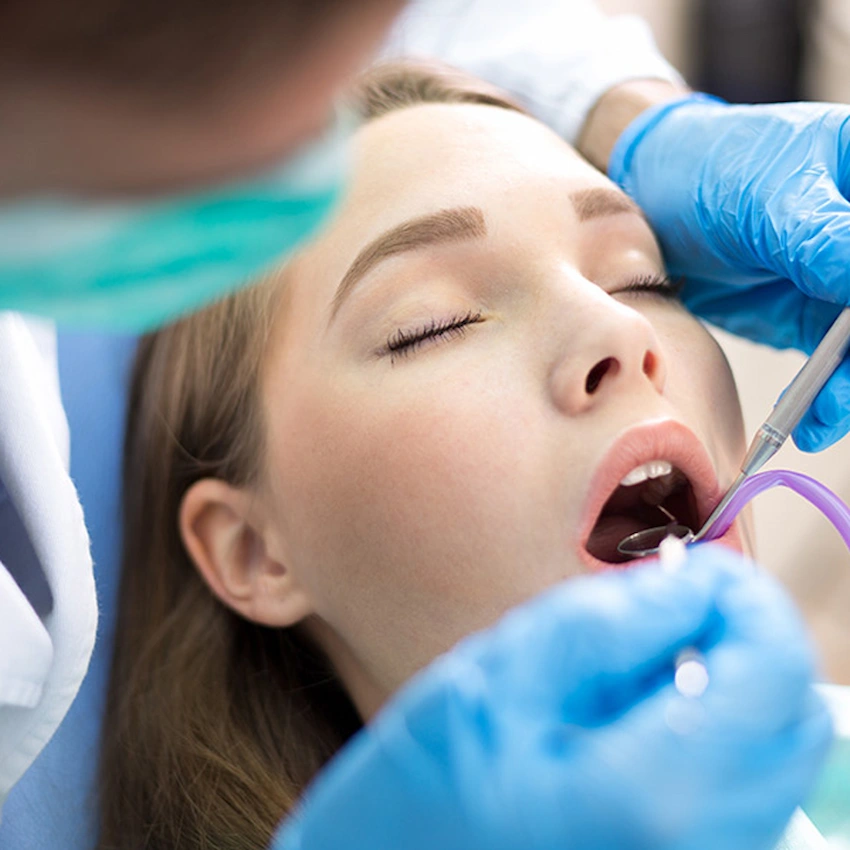
Honestly, the noise of a dental drill does not appeal to everyone. The fear that these people have is so intense that it prevents them from getting any help. Along comes general anesthesia to save the day.
- Extreme dental anxiety or phobia
- Handicapped patients who have difficulty remaining calm
- Young kids who are unable to be controlled during a long procedure
- Need for several treatments at one time (like fillings, root canals, and extractions, etc.)
- Suffering from surgical procedures such as dental implants or bone grafts
Instead of doing all the work in small, painful doses, the dentist, under general anesthesia, can complete the procedure in one go, while you are sleeping. 😴
What Procedures Can Be Performed with General Anesthesia?
Practically any dental work, which is usually carried out with local anesthesia, can be performed under general anesthesia. The only difference is that you are unconscious and comfortable.
This is what is generally done:
🦷 Tooth Extractions
Besides normal extractions, there are also surgical removals of impacted wisdom teeth.
🛠️ Dental Implants
In case you are having multiple implants done all at once (what a great smile!), general anesthesia makes it so much better.
🦷 Root Canals and Fillings
If decay is very deep and several teeth need to be repaired, general anesthesia ensures that the work is done without a hitch, especially if you are not good at sitting still for a long time.
🌟 Full Smile Makeovers
Those who are going to have veneers, zirconia crowns, or implant-supported dentures will find that general anesthesia can make the process quicker as well as without pain.
👶 Pediatric Procedures
Children with numerous cavities or dental problems can be treated while they sleep in a short session.
The patients from abroad often take a flight to Lema Dental Clinic in Istanbul, having a general anesthesia, and doing all their procedures in one go, are the ones we usually see—they become the first to wake up to their new, beautiful smiles.
What Should Be Considered Before and After General Anesthesia?
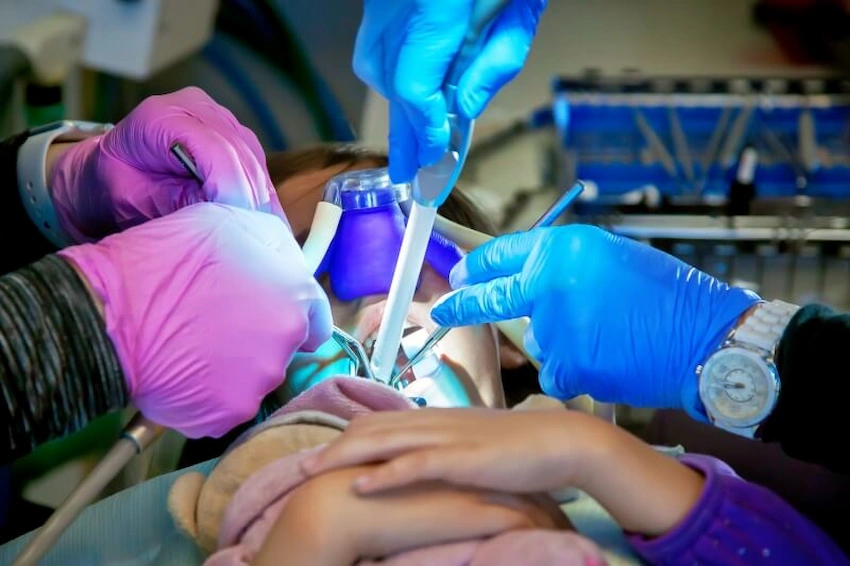
You can’t just show up, take a nap, and walk out with perfect teeth (well, almost 😄). There’s prep involved—and recovery, too.
✅ Before General Anesthesia
- Don’t eat or drink anything for 6 to 8 hours before the surgery
- Physical examination is necessary (blood pressure, blood sugar, etc.)
- Tell your dentist if you have any allergies, if you are taking any medication, or if you are in good or bad health.
- The patient or the guardian must sign the consent forms.
🌙 After General Anesthesia
- You will be very tired, and you will want to sleep for several hours
- Someone is responsible for taking you home—you will not be allowed to go away by yourself
- Do not eat until you are fully conscious; if you want to start the meal, do it with soft food
- Neither drive, nor make big decisions, nor sign any papers for the next 24 hours
- The swelling will be slight, and there will be a little pain, depending on what was done
💡 For example, Lema Dental Clinic offers complete pre- and post-operative care and support to ensure that everything goes safely and comfortably.
Can Children Have Dental Treatment with General Anesthesia?
Yes—I mean, if it’s done correctly and for the right reasons.
Kids are not always able to be still or comprehend what is going on during dental interventions. So, if they infect their teeth badly, have several cavities, or need to go through surgery, general anesthesia could probably be the most suitable way.
- This is the list of the main reasons they use general anesthesia for kids:
- Severe early childhood caries (i.e., baby bottle tooth decay)
- Behavior that is not supportive of dental care treatment at the dentist’s office
- Developmental delays and sensory processing disorders
- Urgent situations, and therefore, time is very limited to help
Still, it is not a last resort either. It’s a clever and safe way to solve dental problems of a complex nature in one session, and at the same time, free of stress and trauma. Pediatric dentists are working with anesthesiologists to provide a better safety guarantee.
Is Dental Treatment Under General Anesthesia Safe?
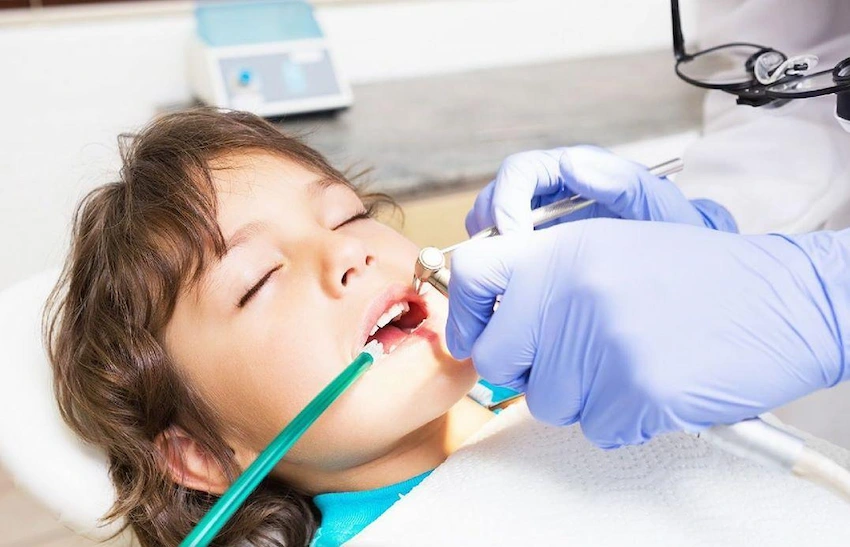
Yes—it’s very safe when performed in a certified clinic with well-trained staff.
Every medical process involves certain risks, but dental treatments under general anesthesia are conducted in controlled settings. The anesthesiologist, who is your physician, keeps very close checks on your respiration, heart rate, and oxygen supply during the time of the procedure. In Lema Dental Clinic, they do everything according to the latest technique and in strict compliance with the protocol.
Still, however, general anesthesia is far from being the perfect choice for all. Those with heart problems, lung diseases, or a history of certain chronic diseases may require special permission to undergo it.
🌍 For instance, parents of two patients, an international patient couple traveling to Turkey for full-mouth restorations (FMR), and a pediatric dentistry case under general anesthesia, will surely confirm that the usage of general anesthesia makes the whole treatment easy, fast, and calming.
FAQ: How Are Dental Treatments Performed Under General Anesthesia?
Dental treatment under general anesthesia is usually safe when done by competent staff in a well-organized unit. The chances are minimal, but the unwanted effects may be an allergic reaction or breathing difficulties that occur with close monitoring.
It is mainly dependent on the complexity of the intervention; however, most of the procedures are 1 to 4 hours. Some full-mouth recs may take a little longer.
The risks are minimal but may also cause some discomfort, such as vomiting, sore neck, or sluggishness while the child is waking up. The pediatric anesthetic team is highly qualified in the reduction of these occurrences and in the total security of the child.
The cases of kids, those who fear the dentist, patients with special needs, and situations of complicated surgeries are the ones that are most suitable to undergo dental treatment under general anesthesia. Usually, a medical check is done before giving the go-ahead.
Definitely—especially in the case of impacted or multiple extractions, general anesthesia is very often used to facilitate the extraction without any pain and difficulties.