


One major consequence of a perfect smile was the making of “Hollywood smile“ as the most desired result in cosmetic dentistry. A few dental veneers or a couple of crowns are usually the procedures performed in order to achieve such a transformation of the smile that can be very impressive, harmonious, and dazzlingly white. Yet, a quite frequent and reasonable inquiry of future patients goes like this: “Will this gorgeous new smile bring me an uncomfortable situation like bad breath?”
We would like to communicate this with absolute precision: a Hollywood smile which is professionally made and very well kept does not provoke bad breath. Actually, if coupled with good oral hygiene, it can be instrumental in the oral health system. In reality, the unpleasant breath which is also called halitosis, is caused by bacteria living in the mouth and not by the porcelain pieces.
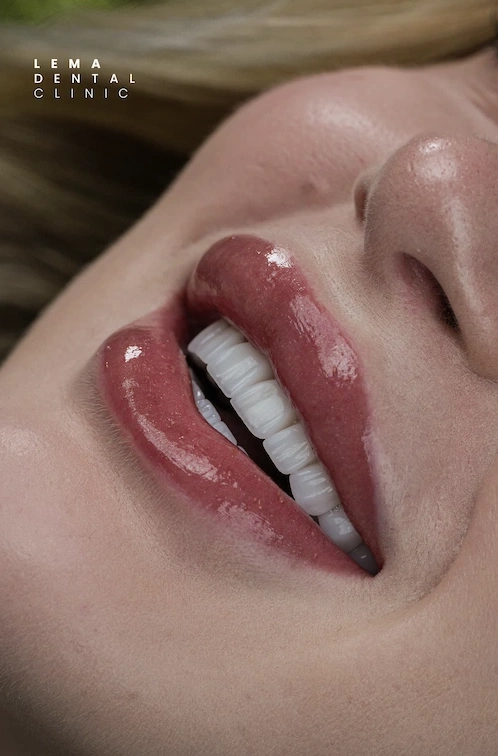
The crucial point in averting any trouble is to know the connection between your new smile and your daily hygiene habits. This detailed manual will give you the means to keep your smile as your source of joy and your health as your treasure for the years to come. We will cover the real reasons for bad breath, how a Hollywood smile is designed not only for beauty but also for health and, finally, we will offer a definite, step-by-step cleaning regimen to keep your breath fresh and your smile dazzling.
Understanding the Real Culprit: The Science of Bad Breath (Halitosis)
In order to understand why a well-kept Hollywood smile cannot be blamed for bad breath, we should first learn about halitosis causes. Source of halitosis is almost always in the mouth.
1. Bacterial Activity and Volatile Sulfur Compounds (VSCs)
The human mouth is a living environment that hosts bacteria. Many are good, but some bacteria, termed anaerobic bacteria, live in a place where no oxygen is present. These bacteria consume proteins found in pieces of food left in the mouth, dead skin, and post-nasal drip. To get energy from the proteins, they release foul gases called Volatile Sulfur Compounds (VSCs). These VSCs are the major source of the most persistent bad breath which may have a rotten egg or sulfurous smell.
2. Common Oral Sources of Bacteria
bacteria that produce unpleasant odors gather in certain places, from where they are protected by saliva and your toothbrush for cleaning:
- The Tongue: The rear side of the tongue, with its numerous folds and papillae, is the deepest and most important bacterial reservoir as well as the major reason for bad breath.
- Gum Disease (Periodontitis): Inflamed gums can recede from the teeth, thus forming deep pockets. These pockets are perfect places, without oxygen, for anaerobic bacteria to multiply, causing thus persistent halitosis as well as bone loss.
- Food Debris: Small bits of food that are trapped between the teeth, in dental work, or around the gums, provide an immediate food source to bacteria.
- Poor Oral Hygiene: The non-brushing and non-flossing habits create a very thin, colorless, and sticky film of bacteria called plaque on your teeth and restorations. Plaque that is left on the teeth for a long time, turns into tartar (calculus), which causes more irritation of the gums and, therefore, bacteria have a place to live.
The Hollywood Smile: A Masterpiece of Cosmetic and Restorative Dentistry

A “Hollywood smile” usually means the total transformation of a smile with the use of custom-made, thin shells of porcelain (veneers) or crowns that are permanently glued to the front surface of your natural teeth. The whole undertaking is a mixture of art and science, thus, your dentist should possess an absolute high degree of skill and accuracy.
The Hallmark of a Quality Restoration: The MarginThe most pivotal part of any dental restoration, be it veneers or crowns, is the “margin.” It is a minute, almost invisible line where the edge of the porcelain meets your natural tooth structure. A skilled cosmetic dentist makes sure these margins are at or just above the gumline and there is no space between the tooth and the glue which connects the two.
How important is it? A perfectly sealed margin makes a smooth and continuous surface which prevents bacteria and food from entering the space between the veneer and your tooth. This perfect integration is what keeps the tooth under the veneer free from decay and at the same time stops this place from becoming a breeding ground for odor-causing bacteria. Debris can be trapped by a badly shaped margin which, in turn, can lead to problems.
The Critical Link: When Could a Smile Makeover Contribute to Bad Breath?
There is no odor coming from the porcelain veneers or crowns but from the environment around them in case hygiene is neglected. The connection is that of cause and effect, not an inherent deficiency of the procedure.
Scenario 1: Inadequate Oral Hygiene After Placement is responsible for most cases. Even though porcelain restorations are very smooth, they still require the same or even more, if not, diligent cleaning as natural teeth. Bacteria and plaque can and will be formed on the surface of the porcelain, at the gumline, and between the teeth. If this biofilm is not routinely and thoroughly removed, it will lead to the same bacterial processes that cause bad breath on natural teeth. The restorations are merely a new surface in your mouth that has to be kept clean.
Scenario 2: Poorly fitted or Contoured Restorations are a reason why an experienced and qualified cosmetic dentist should be your choice. A veneer or a crown resulting in an imperfect fit or a margin that is below the gumline and poorly adapted might cause the creation of a small, undetectable ledge or gap. This imperfection can serve as a trap for the accumulation of food and bacteria which are very difficult to remove with regular brushing and flossing. This can cause inflammation at the site of the problem, decay under the restoration, and thus, bad breath.
Scenario 3: Pre-existing Undiagnosed Gum Issues thorough dental check-up is a must before starting any cosmetic treatment. If the patient has gingivitis or periodontitis without knowing it, then getting veneers will only mask the problem of gum disease. Gum disease will keep on progressing and probably be aggravated by the new restorations and it will remain a major source of halitosis.
Your Empowered Hygiene Protocol: Ensuring a Fresh, Healthy Smile

It is quite simple and empowering to protect your investment and be sure that your breath will stay fresh. By following this devoted hygiene regimen, you will be the one who has the full control over your oral health.
1. Precision Brushing Technique
- Tool: Electric soft-bristled toothbrush. The oscillating or sonic technology is substantially more efficient in disrupting the plaque biofilm around restorations and at the gumline.
- Method: The toothbrush should be angled at 45 degrees towards the gums so that the bristles can gently clean the area where the porcelain is coming in contact with the gum tissue. Use gentle pressure and clean every surface of every tooth and veneer logically for the full two minutes, twice a day. Soft-bristled toothbrushes should be used and one should not scrub too hard as this will gradually remove the porcelain glaze.
2. Non-Negotiable Interdental Cleaning
The brush cannot reach the spaces between the teeth, the areas brushing should be accompanied by another step that cannot be omitted.
- The most effective tool: Dental floss. Carefully inserting the floss between two teeth, wrapping it around the tooth in a “C” shape and pressing it against the side of the tooth, then, loosening the floss gradually below the gumline. For each tooth, using a new piece of floss. If you find flossing hard, you can use a water flosser as a great assistant. It uses a thin water jet to clean the spaces between teeth and restorations.
3. Tongue Cleaning: Fresh Breath Forever
Since the tongue is a primary source of VSCs, cleaning it is essential.
- Equipment: Employ a tongue cleaner exclusively designed for the tongue. Pull the tongue scraper gently but firmly from the back to the front of your tongue, cleaning it after every pass. Once is enough for the day, preferably in the morning.
4. What An Antimicrobial Mouthwash Can Do
- Use: An alcohol-free, antimicrobial mouthwash can significantly reduce the bacterial load, thus, it can be a great help to the patient. However, it should only be used as a supplement to, but not a replacement for, mechanical cleaning by brushing and flossing. The best dentist to see for advice tailored to you.
5. Professional Maintenance:
Your Partnership with the Dentist. Your bond with your dentist is not over after your smile has been completed. Along with it, regular professional cleanings and check-ups, usually every six months, are necessary.
- In these visits, your dental hygienist will use specific tools to not only clean your porcelain restorations in a gentle manner but also to remove tartar deposits from which you are not able to free yourself from at home.
- The dentist will be very cautious to go over the edges of your veneers and crowns, evaluate the health of your gums, and, in addition, confirm that the teeth underneath are sound and without decay.
Hollywood Smile: A Symphony of Artistry and Health
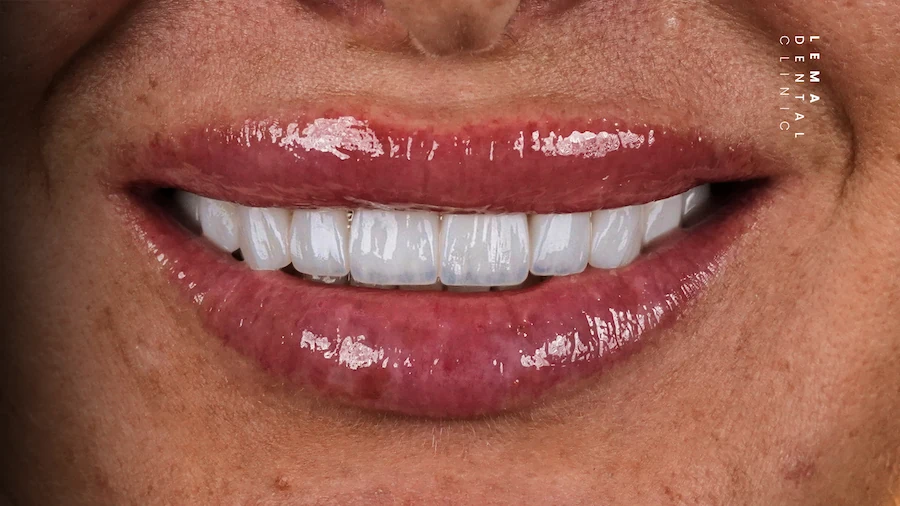
When a Hollywood smile is the brainchild of an expert cosmetic dentist and the patient is diligent with his/her oral care, it is a win for modern dentistry. The result is a perfect combination of aesthetic art and basic oral health. The porcelain restorations are non-reactive, smooth, and very friendly to the body, which makes them less prone to discoloration and bacterial adhesion—sometimes even more than natural tooth enamel.
The question, “Does a Hollywood smile cause bad breath?” is answered with a loud and clear “No”. Bad breath results from bacteria in the mouth, which can be controlled by your daily hygiene practices. Your new smile does not alter this basic biological fact; it only emphasizes the necessity of good care.
When you select a certified and seasoned cosmetic dentist, you are the one who is ensuring that your restorations will be made to the utmost standards of fit and function. By following a strict and thorough hygiene routine, you are the one who takes an active part in the protection of your oral health. This strong alliance is a guarantee that your dazzling Hollywood smile will bring you joy, not only because you will be able to count on it as a source of confidence but also because it is as healthy as it is beautiful.
Lema Dental Clinic & Hollywood Smile: Perfect Your Smile
A nice smile is a big part of your outward appearance, and at Lema Dental Clinic, creating a Hollywood Smile is very simple. If you want only bright white teeth or a full smile makeover, we have the advanced treatments that will allow you to achieve the smile that has always belonged to you.
What is Hollywood Smile?
Basically, a Hollywood Smile is a great combination of white, straight, and healthy teeth, which you can see most of the time in the smiles of the stars. Besides making the smile more attractive, it also helps with the original function of the teeth.
Hollywood Smile at Lema Dental Clinic
It is possible to get a full facelift of your grin with the help of Lema Dental Clinic, where we focus on your individual needs in making the Hollywood Smile change. If you want the perfect smile, we have the latest technology in dental care for you, from bleaching your teeth to veneers and zirconium crowns.
- Teeth Whitening: Have bright, white teeth in only a couple of sessions.
- Veneers: Repair the breaking off of the teeth, or the wrong teeth, with the help of porcelain veneers.
- Zirconium Crowns: Long-lasting and natural-like crowns for a perfect smile.
Why Choose Lema Dental Clinic?
Assisted by the cutting-edge methods, our experienced team at Lema Dental Clinic is the main reason that you will be able to have a Hollywood Smile. Trust us to change your smile with accuracy and empathy.
References
[1] Aylıkcı, B. U., & Colak, H. (2013). Halitosis: From diagnosis to management. Journal of Natural Science, Biology, and Medicine, 4(1), 3–9.
[2] Tangerman, A. (2002). Halitosis in medicine: a review. International Dental Journal, 52 Suppl 3, 201–206.
[3] Van den Broek, A. M., Feenstra, L., & de Baat, C. (2008). A review of the current literature on aetiology and measurement methods of halitosis. Journal of Dentistry, 35(8), 627–635.
[4] Persson, G. R., & Persson, R. E. (2008). Oral health and periodontitis and systemic diseases. Journal of Dental Research, 87(12), 1074–1076.
[5] Marsh, P. D., & Zaura, E. (2017). Dental biofilm: ecological interactions in health and disease. Journal of Clinical Periodontology, 44 Suppl 18, S12–S22.
[6] Gurel, G., & Morimoto, S. (2008). The science and art of porcelain laminate veneers. Quintessence Publishing.
[7] Felton, D., et al. (2011). Evidence-based guidelines for the care and maintenance of complete dentures. The Journal of the American Dental Association, 142 Suppl 1, 1S-20S.
[8] Yaacob, M., et al. (2014). Powered versus manual toothbrushing for oral health. The Cochrane Database of Systematic Reviews, (6), CD002281.
[9] Goyal, C. R., et al. (2013). Evaluation of the plaque removal efficacy of a water flosser compared to string floss in adults after a single use. The Journal of Clinical Dentistry, 24(2), 37–42.
[10] Van Leeuwen, M. P., et al. (2011). The effect of an essential-oils mouthrinse as compared to a vehicle solution on plaque and gingival inflammation: a systematic review and meta-analysis. International Journal of Dental Hygiene, 9(1), 3–9.
FAQ: Does a Hollywood Smile Cause Bad Breath?
No, a professionally applied Hollywood smile does not directly cause bad breath. Bad breath is caused by oral bacteria, not the porcelain restorations themselves. Impeccable oral hygiene is the key to preventing odor and protecting your investment.
The most common methods are porcelain veneers and dental crowns. Veneers are thin shells bonded to the front of teeth, while crowns fully encase a tooth. Your dentist will recommend the best option based on your dental health and aesthetic goals.
The process is not reversible because a small amount of enamel is removed to place the veneers. This is why the decision should be made carefully with a qualified cosmetic dentist, ensuring it’s the right long-term choice for you.
With expertly crafted and bonded veneers or crowns, food should not get under the restoration. The bonding seal is designed to be impermeable. However, food can naturally get stuck between your teeth and at the gumline, just as it does with natural teeth. This is why interdental cleaning is so crucial.
You clean between your veneers exactly as you should clean between natural teeth: with dental floss. Gently guide the floss between each tooth, moving it up and down along the sides of the veneers and beneath the gumline to dislodge any plaque or debris.

