Did you ever get a feeling when you stared at your reflection that one of your teeth used to be different somehow? If so, you did not imagine, your teeth have shifted. Shifting teeth is a phenomenon that happens to lots of people, and even in cases when you are 25 or 65, the person is not smiling, but a smile. Changes in your body, habits, and lifestyle can be the reason for your teeth shifting.
Don’t take it to heart, however, we are really into the facts, which are the main reason for the shifting of the teeth, early detection of the signs, and also the most important part of it, which is keeping that Hollywood Smile for the longest time. And a small hint: It is not too late for you to get your perfect smile back if you know the right place to go. (A little secret: Lema Dental Clinic in Istanbul is the place.)
Is It Normal for Teeth to Move with Age?
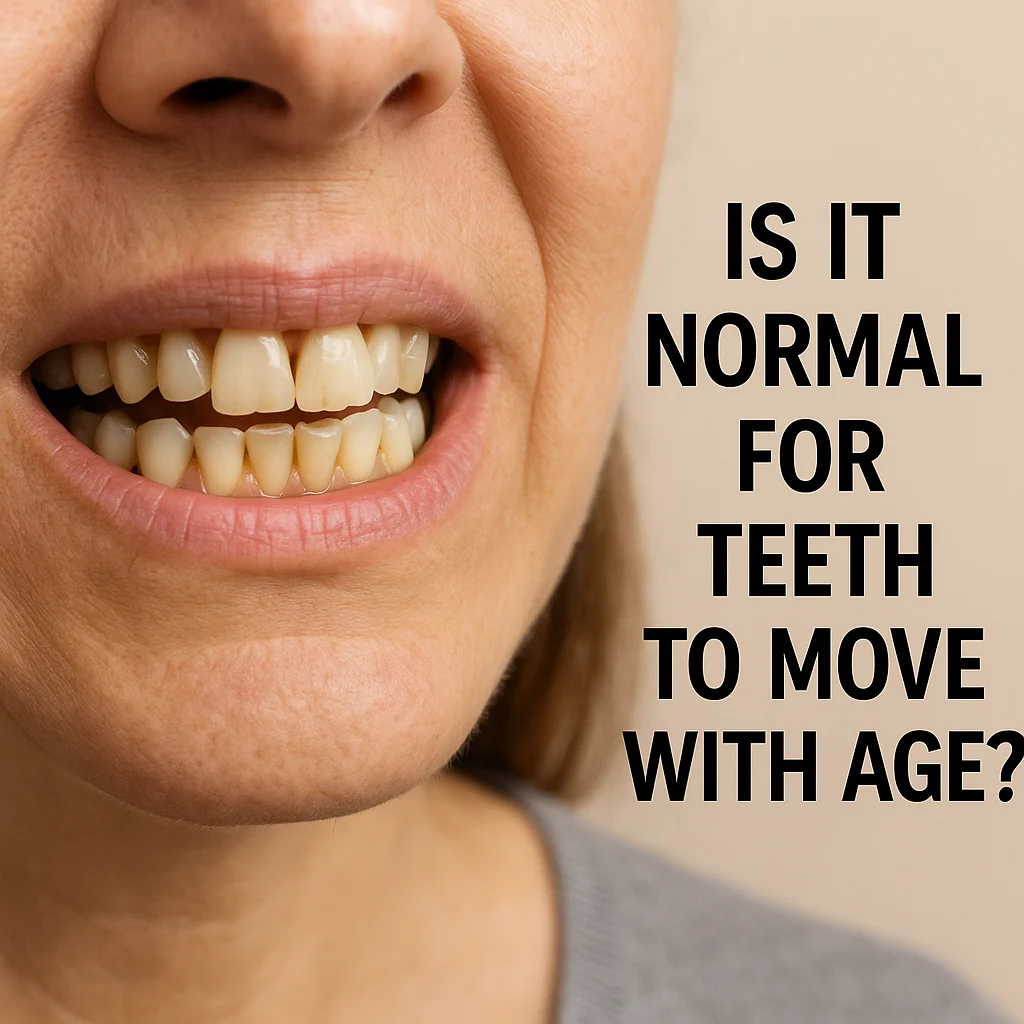
What about it – are teeth moving something that happens? The answer is yes, that is a big YES. As people grow older, their teeth will shift to some extent, which is quite a normal thing. The procedure can be so gradual that you don’t recognize it until a few years later, or it may be induced by certain factors and thus be more abrupt. In any case, you are not the only person doing this.
The process of aging takes its toll on each part of the body – the bones that help support the teeth are not excluded. Jawbone is likely to lose some of its density over time, and the gums may recede, thus leaving parts of the tooth that were formerly covered, and also causing loosening of the foundation. As a result, your teeth may slowly start to lean, rotate, or become crowded. It’s just another reminder that dental care shouldn’t stop when the braces come off — it’s a lifelong commitment.
Common Causes of Teeth Shifting
If you want to know what is causing your teeth to move, here is an explanation of the usual things that cause this problem:
1. Tooth Loss: Missing a tooth? The neighboring teeth may attempt to extend into the empty area by moving towards it. This process of one thing affecting the next can mess up your entire bite if you don’t get it checked out.
2. Natural Bone Changes: As was said before, reshaping of the jawbone is a normal process as we become older. When there is a decrease in bone density, your teeth will not have the support they used to have, and thus can start moving a little.
3. Grinding and Clenching (Bruxism): Are you grinding your teeth at night or clenching your jaw when you’re stressed? These activities put a lot of pressure on your teeth, and as a result, they can slowly move or get worn out, changing the way they fit together when you bite.
4. Gum Disease: Periodontal problems can make the gums and the bone recede from the tooth roots, thus making the tooth roots lose their hold. Teeth that are in a place where the gums are weak typically become loose and movable over time.
5. Wisdom Teeth Eruption: For the younger adults, wisdom teeth coming in can make there not be enough room for the teeth to fit, especially the lower front teeth. Moreover, in case they do not come out all the way, the force that they put can still move the adjacent teeth little by little.
6. Not Wearing Retainers After Braces: If you have had braces before and you no longer use your retainers (I won’t judge you), then your teeth might change their position bit by bit, and finally they will be the same as before – a phenomenon known as relapse.
How to Tell If Your Teeth Are Moving
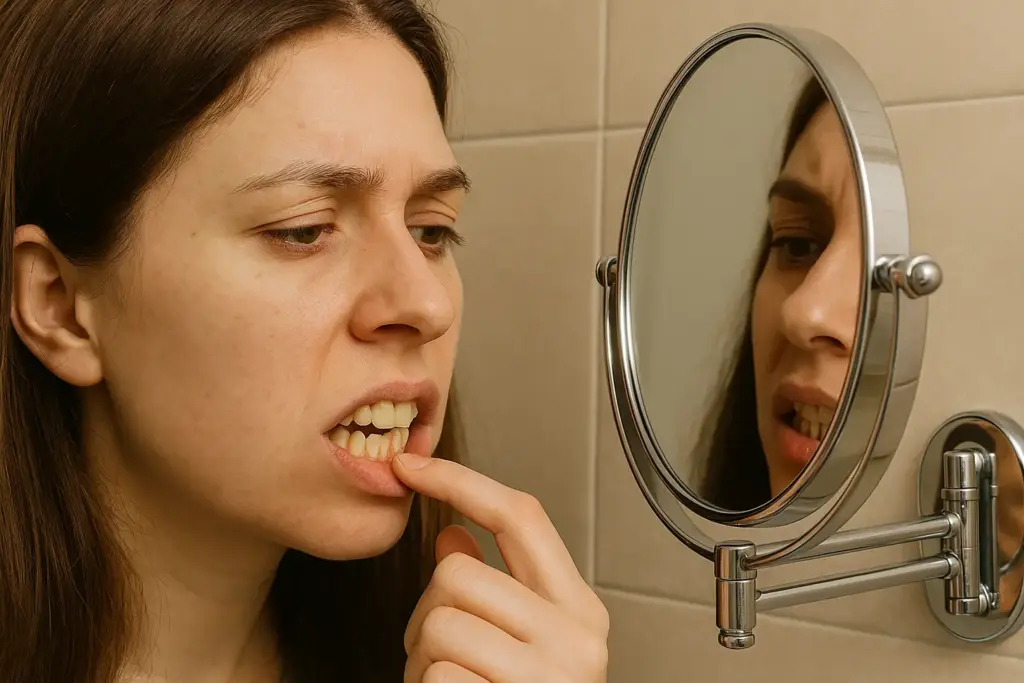
How can we be sure that our teeth are shifting and we are not just imagining it? The answer is to look out for the following signs.
1. Crowding or New Gaps
Possibly, you had a perfect row of your bottom teeth a year ago, but now you are seeing overlaps or gaps. This is a typical manifestation that shows that your teeth are moving.
2. Bite Feels Off
If your teeth do not fit together when you close your mouth or chew, it might be that your teeth have changed position and are affecting your bite.
3. Increased Food Stuck Between Teeth
Shifting teeth results in the formation of small pockets where food did not get stuck before. If you suddenly find yourself using floss more frequently, this might be the reason.
4. Tightness or Pressure
Some people experience a low-grade sensation of pressure or tightness in their jaws, almost as if braces are working again. This is your mouth getting used to the new positions of the teeth.
What to Do If Your Teeth Start to Shift
The first thing: Don’t panic. Teeth that are moving are not necessarily a dental emergency, but it is something you need to take care of as soon as possible. The sooner you take a step, the easier (and cheaper) the fix will be.
1. Visit Your Dentist or Orthodontist
They will do X-rays or digital scans to find out how much the teeth have shifted and the reason for the change. After that, they can suggest options which are suitable for your case, such as clear aligners, retainers, or even bonding to stabilize a loose tooth, accordingly.
2. Consider Retainers or Aligners
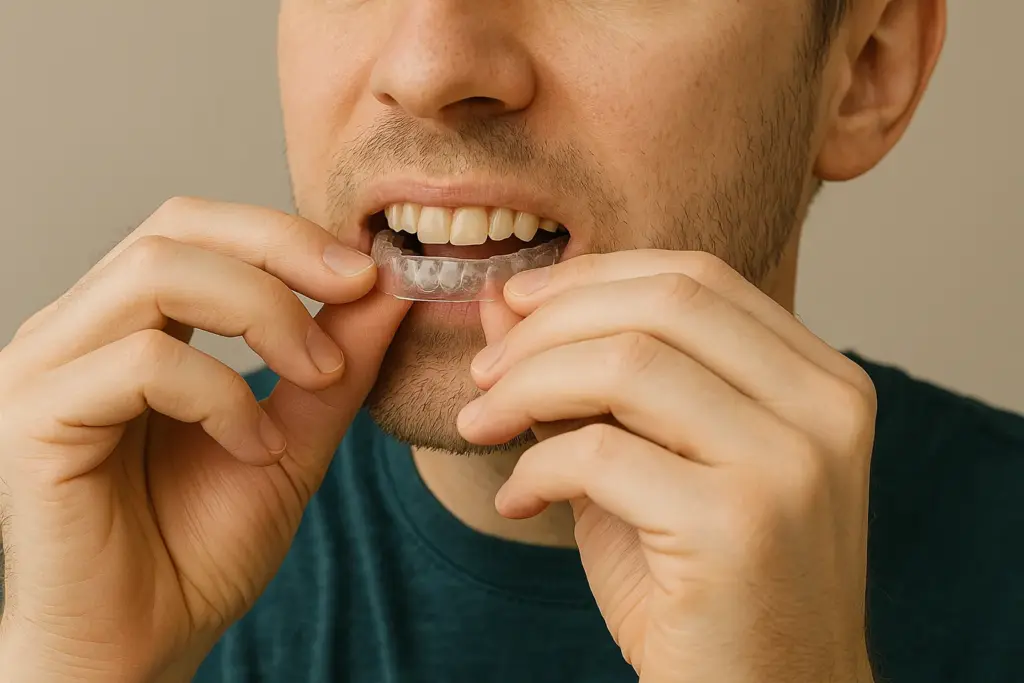
It might be that the only thing necessary is the wearing of a retainer overnight, which is enough to bring your teeth back to the right place. On the contrary, if more active movement is required, then the use of clear aligners (such as Invisalign or custom options available at Lema Dental Clinic) is advised.
3. Address the Root Cause
If the grinding is what is causing the shifting, a night guard might be necessary. In case gum disease is the cause, treatment should be given first before orthodontics can be started. The main thing here is to repair the source before correcting the outcome.
Preventing Long-Term Damage from Teeth Movement
None of us would like to play dental Jenga every year — so, here is the way to make sure that your smile stays steady and safe:
1. Use Your Retainers Seriously
Even long after the braces, a retainer can make sure that your teeth are in the right place. You may compare it to gym-for-your-smile: regular use means good results.
2. Take Care of Your Gums
Healthy gums are the base for stable teeth. Besides brushing twice a day, flossing your teeth every night, and getting professional cleanings every 6 months are the musts.
3. Do Not Delay in Replacing the Teeth That Have Been Lost
Don’t let empty spaces be a problem. A dental implant, bridge, or even a partial denture will be the ones that keep the surrounding teeth from moving into that gap.
4. Get Regular Check-Ups at the Dentist’s Place
Annual checkups (at least) lead to early detection of movement. Your dentist may find problems that you cannot see and suggest prevention methods before the issue increases.
FAQ: Do Teeth Shift Over Time?
Yes, they do — and it’s very common, especially with age or lifestyle habits like grinding or gum disease.
Aging leads to changes in the jawbone, loss of bone density, and gum recession, which reduces the structural support that keeps teeth in place.
Absolutely. Stress-induced bruxism (grinding or clenching) puts intense pressure on the teeth and jaw, causing them to wear and shift.
Yes — especially after braces. Retainers help lock in alignment and prevent relapse as the body continues to change.
They sure can. Even partially impacted wisdom teeth can crowd or displace nearby teeth, especially in the lower front arch.
Stick to your retainer routine, maintain good oral hygiene, replace missing teeth, and see your dentist regularly for early detection.