


When a tooth goes missing, it can happen suddenly due to an accident, decay, or extraction. The consequences include an impaired smile, which exposes gaps in the teeth. These gaps can further restrict chewing, speaking, and your overall confidence in your smile. Nevertheless, there is light at the end of the tunnel. This is because modern dentistry provides more than one solution to the problem. The two most well-known temporary and semi-permanent solutions are dental flippers and partial dentures. Knowing very well the differences among these two options will enable you to make the best choice regarding your oral health, comfort, and long-term lifestyle.
A dental flipper typically comes in handy as an immediate short-term tool for intervention. A systematic sequential addition of partial dentures provides a more stable, longer-term solution. In Lema Dental Clinic, the proficient and professional team of dentists in Istanbul ensures that patients always find the best solution to meet all their needs, combining aesthetics with functionality to restore to you a perfect, beautiful smile in the shortest time possible and with the least amount of discomfort.
What is a Dental Flipper?
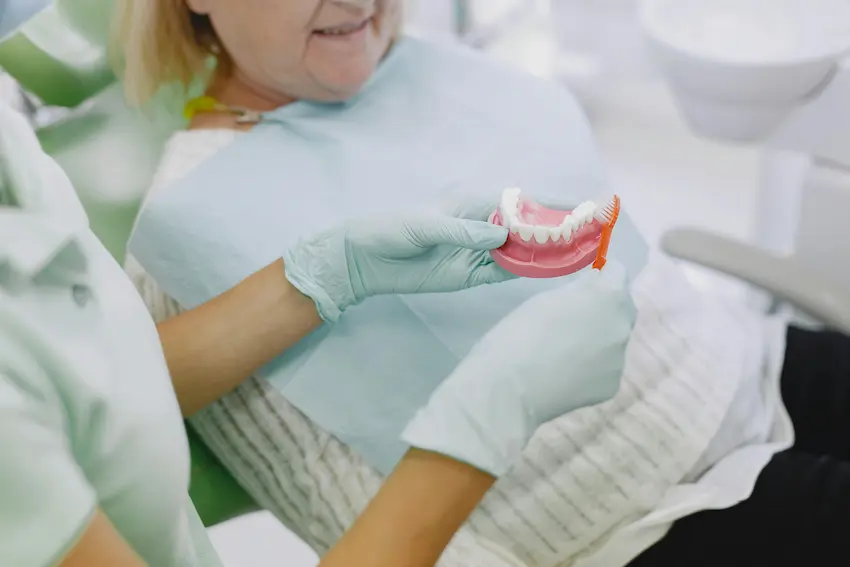
A dental flipper may be likened to a removable instant remedy, or if we speak in an exact way, a temporary maximum access solution for the problem if the lost tooth or teeth. It is made of acrylic resin and designed so that it can be easily placed over the gums and then fastened in the area that requires it. Therefore, it is very light and can easily provide visible improvement of the patient’s appearance.
Here are the advantages of dental flippers / removable denture tooth replacements:
- Quick and easily customed. For example, a dental flipper appliance can often be fabricated and fitted within a few days of seeing the dentist’s practice for an immediate solution.
- Low cost and thus affordable removable dentures. The cost of flippers is comparatively much lower than that of a Bali or partial prosthesis, which, if not paid for at once, may become an unavoidable issue.
- Use as a temporary improvement to appearance. If one or two adjacent teeth are missing, it is logical to use dental flippers, because they improve the cosmetic aspect of the teeth, make them look all right, and enable the person to have some confidence in the status of their teeth.
Limitations: While flippers are convenient, they are less durable than partial dentures as the latter is custom-made to fit the mouth. Another word dental flippers may not feel as stable while eating or talking. This is because people are forced to deal with minor gum irritation. Lastly, dental flippers are not made for long-term use as every time they are used, they do not give the exact feeling of the patient’s original teeth.
What Is a Partial Denture?
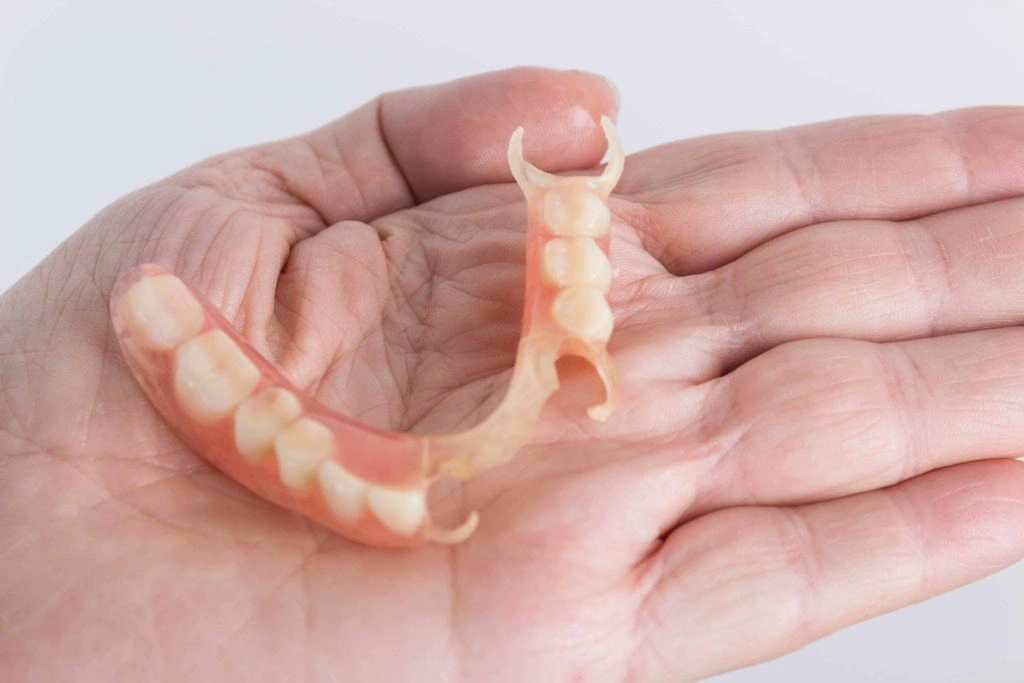
A partial denture is a type of removable dental appliance designed to help replace multiple missing teeth and is retained by the surrounding natural teeth by means of either metal or acrylic clasps. In contrast to flippers that are more of a casual solution to missing teeth, partial dentures are made from stronger materials which enable them to be a much more stable and durable solution for acquiring missing teeth.
Benefits of Partial Dentures:
- Strong and Functional: These can help you chew better, so you enjoy the food, and talk plainly so that you do not have communication difficulties.
- Custom-Made for An Individual: These appliances are designed to match your teeth tightly in order to improve your look by returning what is regularly visible to the outside a beautified smile.
- Good for the Long Run: When taken good care of they can go for several years thus saving you from the inconvenience of going for constant replacements or quick fixes.
Limitations:
Although partial dentures have a wide range of advantages, it is good to note some of their limitations: They have a processing period for the patient, for the first time; they can be bulky and require lots of time for adjustment before they can be comfortably accepted. They too require consistent cleaning to ensure that the oral cavity remains healthy. In addition, they might not basically be recommended for patients with badly damaged natural teeth or loss of a lot of bone tissue unless for example along with the periodontist, additional treatments could be provided
Contrasting Dental Flippers and Partial Dentures
| Feature | Dental Flipper | Partial Denture |
|---|---|---|
| Purpose | Temporary cosmetic solution | Semi-permanent tooth replacement |
| Material | Acrylic resin | Acrylic and/or metal framework |
| Durability | 6 months–1 year | 3–10 years with proper care |
| Comfort | Lightweight but less stable | More stable, requires adjustment period |
| Cost | Lower | Moderate to higher |
| Maintenance | Remove and clean daily | Remove and clean daily; occasional professional adjustments needed |
Which One Should You Choose?
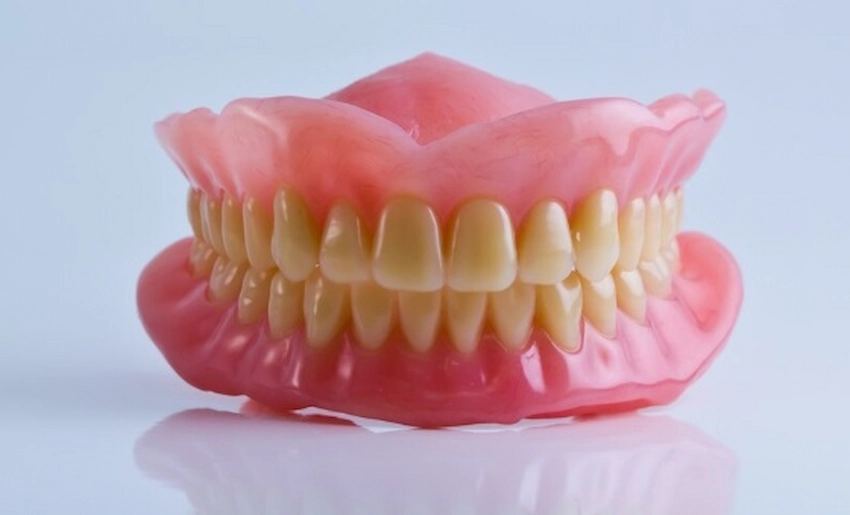
The choice between a dental flipper and a partial denture largely depends on your specific needs: Dental flippers, while being the more economical choice, generally offer immediate results with little commitments but they may don’t provide the level of durability and stability you are after. In contrast, partial dentures require some monetary investments and time for adaptation, but with proper maintenance they can serve for an extended period while restoring the look and function of your mouth to an extent that you will not have to be concerned about replacements for
- Short-term aesthetic: Living on gone tooth, waiting for implants, or going on to obtain braces, a dental flipper the best option.
- Long-term functionality: If you are seeking a solution that will help you eat, speak, smile, and get on with life as normally, partial denture available for this purpose. In most cases, a partial denture is posted when fixed support is needed, and when the adaptability for complete dentures is greater than for other substitutes, which is also true for this case of repairs. This is crucial to consider that a substantial number of tooth losses and problems make it difficult for the person to function. Subsequently, that part will not be able to do without. Get to know your dentist and importantly, if you really want this part, it is worth paying special attention to its care and care-making techniques.
At Lema Dental Practice, all our dental practitioners ascertain patients’ degree of oral wellness, tooth alignment, and projected plans in order to arrive at the ideal solution. In summary, patients can begin with a dental flipper and progress to a partial denture or In the following lines will be discussed about the care of the flipper or partial denture.
Caring for Your Flipper or Partial Denture
Thus, care for a flipper and a partial denture varies little hence some aspects of care are similar.
- It is important to carry out thorough and careful cleaning daily: A toothbrush or soft brush and non-abrasive denture cleaner can clean it gently. Make sure that the denture is clean and free of debris as this can irritate the gum tissue.
- keep away from hot liquids and surfaces: Hot temperatures are harmful to each type of denture especially as they tend to warp the surface of acrylic. Hot substances do disfigure as well as break the denture systems. Hence, all users must be notified about this.
- One smart thing you can do to maintain your flipper or partial denture: Regular dental check-ups should be scheduled to assess the fit of the flipper or partial denture as well as to evaluate the condition of the gums. Often, dental specialists will realize dental and structural disorders that may need a doctor’s intervention.
- Handle with care: Due to their fragility, both flippers and partial dentures should be treated with caution. Always remove and clean your denture over a pillow or a soft surface to minimize the risk of cracking. Also, when removing flippers out of a mouth, most probably trying to remove them might break them.
References
- Jung, R. E., Zembic, A., Pjetursson, B. E., Zwahlen, M., & Thoma, D. S. (2012). Systematic review of the survival rate and incidence of complications of resin-bonded fixed dental prostheses after an observation period of at least 5 years. Clinical Oral Implants Research, 23(2), 22–38.
- Esposito, M., Grusovin, M. G., Polyzos, I. P., Felice, P., & Worthington, H. V. (2010). Interventions for replacing missing teeth: Antibiotics at dental implant placement to prevent complications. Cochrane Database of Systematic Reviews, (7), CD004152. https://www.cochranelibrary.com/cdsr/doi/10.1002/14651858.CD004152.pub3/full
You should avoid hard, sticky, or chewy foods with a flipper to prevent displacement or damage.
With proper care, partial dentures can last 3–10 years before needing adjustments or replacement.
It’s recommended to remove both at night to reduce pressure on gums and prevent bacterial buildup.
Flippers may cause minor irritation initially, but discomfort usually subsides once you adjust to the appliance.

