


Understanding your dental bill or treatment plan may be a hassle. You encounter a code that doesn’t relate to a specific procedure, such as a filling or a cleaning. In case you come across Dental Code D9999, it stands for a vital and leading-edge aspect of future oral healthcare. This code means the issuing of a dental attendance record for a patient under active, controlled dental treatment. This article is a clear, detailed guide to D9999 that explains its function, frequent uses, and, most importantly, the substantial advantages it extends to your general health.
What is Dental Code D9999?
Dental Code D9999 is an individual code in the American Dental Association (ADA) Current Dental Terminology (CDT) manual. It is a formal certification from a dentist that a patient undergoing treatment for a specific dental condition his/her active care. Different from the cleaning (D1110) or filling (D2391) procedure codes, D9999 does not denote a clinical treatment carried out in the dental chair. Rather, it serves as an administrative and diagnostic code that aids communication between your dentist and other healthcare stakeholders, e.g., medical insurance companies, most.
The American Dental Association assigns this code to describe situations that require a dentist’s professional attestation about a patient’s ongoing treatment. The primary aim is to help out the patient’s health by linking oral care to medical needs.
The Primary Use: Supporting Medical Prior Authorization
Scenario: Cardiac Surgery and Oral Health

A patient needs a heart valve transplant. A dental clearance before the surgery is a must, as the cardiologist and the surgeon say. The requirement is the most important safety protocol; in fact, an active oral infection (periodontitis or abscessed teeth) can contaminate the bloodstream. These bacteria can be the cause of a serious ailment of the heart’s inner lining, called infectious endocarditis, a very dangerous infection.
We can tell that after examining the patient, the dentist, if necessary, will provide the treatment and then will send the confirmation to medical insurance using code D9999. The confirmation indicates that the patient has accomplished the necessary dental treatment and is dentally stable and safe for cardiac surgery. This is the way the medical team can continue the operation with less risk, as they know that a possible source of post-surgical infection has been removed.
Other Significant Uses of Code D9999
Besides surgical clearance, dentists utilize D9999 in a few other instances where they intervene for the patient’s health:
Organ Transplant Preparation
The recipient of an organ transplant has to be in tip-top health before getting the new organ and be able to take the drugs that suppress the immune system after the surgery. Your dentist uses D9999 to certify that your mouth is free of infection and hence will not put your recovery under an immune system that has been suppressed at risk.
Management of Systemic Conditions
In the case of patients with particular conditions such as diabetes, rheumatoid arthritis, and osteoporosis, the oral inflammation that is not controlled may directly affect systemic disease management. The dentist communicates with the physician using D9999, confirming that oral health is part of the overall treatment plan and is actively managed.
Radiation Therapy for Head and Neck Cancer
The patients scheduled for radiation therapy in the jaw or neck area have to undergo a dental evaluation before that. The radiation can bring about severe consequences, for example, osteoradionecrosis if teeth with a poor prognosis are left in the area of treatment. The D9999 certification is the confirmation that the treatment of the teeth has been done, making the radiation therapy both safer and effective.
The Patient Journey: What to Expect with a D9999 Code
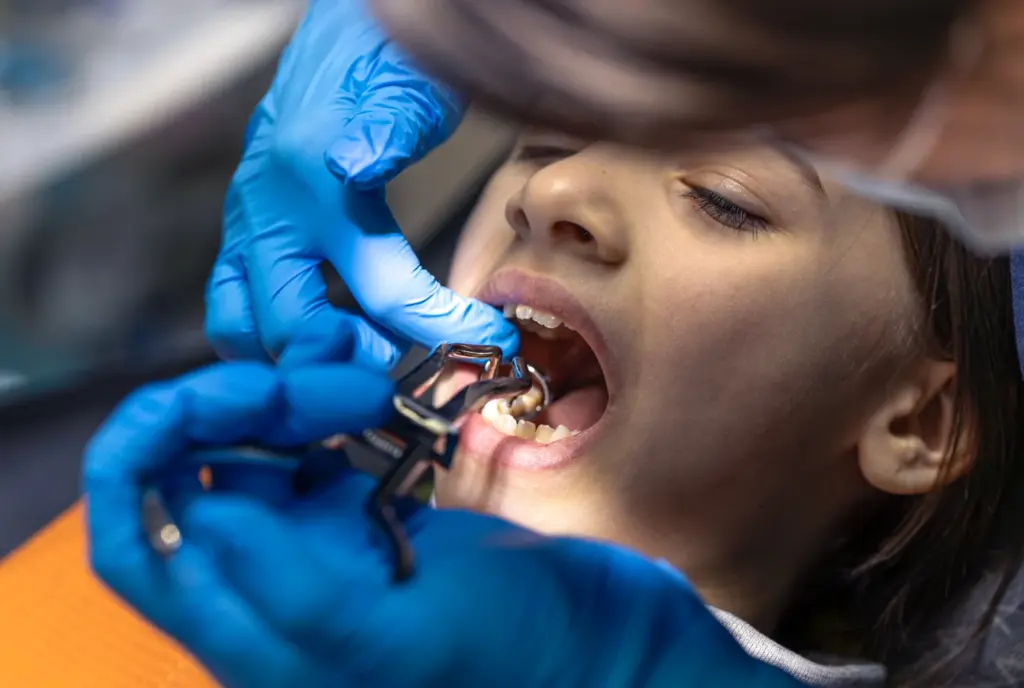
When your dentist lets you know that Code D9999 will be utilized in your case, you can probably expect an uncomplicated, cooperative, and health-preserving kind of process.
Comprehensive Dental Examination
The trip starts off with a thorough examination. The dentist will do the visual check, carry out the necessary X-ray, and identify the diseases that need to be treated before the medical clearance can be granted.
Active Dental Treatment Phase
Completion of all dental procedures that are prescribed will be done by you. The time may be accompanied by a range of activities such as deep cleaning to cure gum disease, a root canal therapy to remove the infection, or the extraction of non-restorable teeth. Achieving the goal of optimal oral health and stability is the main purpose.
Certification and Documentation
Treatment completion and a healthy mouth are the conditions upon which the dentist will prepare the certification using D9999. It includes filling out any required forms from your doctor or medical insurance company and a formal letter that details the treatment you received and confirms your dental readiness for the medical procedure.
Billing and Insurance Processing
Submission of the D9999 code will be done by your dental office, along with the supporting documentation if there is a copy, to your medical insurance provider. It is very important to recognize that this code stands for professional certification and administrative work, not the clinical procedures you underwent, which are under different codes (e.g. D4341 for periodontal scaling) billed separately.
Understanding the Costs and Insurance for D9999

The price for D9999 is the money for which the dentist spends a substantial amount of time and skills in reviewing your medical history, coordinating care with your doctor, doing a thorough oral evaluation, and preparing the formal certification documents. This price is apart from the clinical procedures like filling or extracting costs.
The D9999 code is usually handled by medical insurance and not dental insurance. Coverage and reimbursement rules differ greatly from one medical insurance plan to another. Some plans may cover the entire cost, while others may apply it to your deductible or offer partial coverage. Our administrative team will work with you to determine your medical insurance benefits for this code and facilitate the submission process so that your medical insurer has all the necessary documentation for a smooth claims process.
How to Navigate D9999 in Your Treatment Plan
In case your dentist recommends D9999 for your treatment, you may follow some steps to facilitate the process.
- Request Detailed Documentation: Make sure you comprehend the rationale behind using D9999 in your treatment and what the involved procedure is.
- Communicate with Your Insurance Provider: Make sure that your insurance plan supports the service and inquire whether there are any pre-authorization requirements.
- Obtain Cost Estimate: The price of D9999 services might not be the same at different places; therefore, you should ask for a detailed estimate of the expected cost before proceeding.
- Check on Claims: Keep track of your insurance claim after treatment to be sure that the service is carried out correctly.
The Critical Link Between Oral Health and Whole-Body Health
Code D9999 embodies the use of a fundamental reality in contemporary medicine: oral health is tightly interwoven with overall systemic health. The healthy oral cavity is a supporter of the general healthy body in a few essential ways:
- Reduces Systemic Inflammation: Chronic gum disease (periodontitis) is a considerable source of inflammation. Complete curing of this disease through both professional cleaning and home care reduces the total inflammatory load in the patient’s body, which is good for the treatment of inflammatory diseases like cardiovascular disease and diabetes.
- Prevents Bacteremia: Dental work on infected teeth can result in bacteria in the blood temporarily. By doing all necessary dental work long before the major medical procedure, your dentist will reduce that risk significantly, thus giving surgery and recovery a safer environment.
- Improves Medical Outcomes: Researches always show the correlation between good dental care before major medical interventions such as cardiac surgery or organ transplants, and the decrease in post-operative complications as well as better overall outcomes in patients.
Conclusion: An Investment in Your Comprehensive Health
Dental Code D9999 is a great collaborative healthcare instrument. It implies your dentist as an indispensable part of your overall medical team who ensures that the oral health is in line with, rather than against, the systemic well-being. The certification is a safety-first, proactive step that opens the way to safer surgeries, better chronic disease management, and improved health outcomes. If your doctor needs a dental clearance, do come for a consultation. We’ll help you go through the important process with precision and professionalism, making sure you’re ready for the next move in your health journey.
Sources:
- American Dental Association. (2023). Current Dental Terminology (CDT). ADA Catalog.
- Wilson, W., Taubert, K. A., Gewitz, M., et al. (2007). “Prevention of Infective Endocarditis: Guidelines from the American Heart Association.” Circulation, 116(15), 1736-1754.
- Lockhart, P. B., Bolger, A. F., Papapanou, P. N., et al. (2012). “Periodontal Disease and Atherosclerotic Vascular Disease: Does the Evidence Support an Independent Association?” Circulation, 125(20), 2520-2544.
- The Journal of the American Dental Association. (2018). “Management of Dental Patients Taking Antiresorptive Therapy: An ADA Clinical Practice Guideline.” JADA, 149(11), 1000-1006.
Frequently Asked Questions (FAQ) About Dental Code D999
Dental code D9999 is used for miscellaneous dental services that do not have a specific code. It allows dentists to document and bill for custom, experimental, or complex procedures.
D9999 is used when a service does not fit under an existing CDT code. This can include customized dental appliances, experimental treatments, or comprehensive multi-disciplinary care.
Coverage depends on your insurance provider and the type of treatment. You may need pre-authorization for D9999 procedures, and some insurance companies may limit coverage for miscellaneous services.
Your dentist will inform you if D9999 is used in your treatment plan. Be sure to ask for detailed information about why this code is necessary and how it impacts your treatment and billing.
Yes, D9999 is often used for new, experimental, or unapproved treatments that do not yet have their own specific CDT code.

