


What Is the Dental Code D8670?
During dental treatments, codes depict, standardize, and are used for services by the dentist; thus, the services become obvious, communicable, and billable. One of the dental codes, D8670, refers to the periodontal maintenance operations that follow the next step after periodontal therapy (e.g., scaling and root planing) has been carried out. In essence, this code is the one that is extremely significant for the gum’s health and the prevention of a broader range of problems that could be the result of periodontal disease, for instance, the loss of teeth.
Periodontal treatment is the removal of periodontal disease. Code mainly refers to regular cleanings, scaling, and root planing that are done on the parts under the gums to remove the plaque, tartar, and bacteria that cause the continuous development of periodontal disease. Periodontal maintenance program after treatment for periodontal disease patients with infected gums is a program in which their gums stay healthy, and the disease does not happen again.
What Periodontal Disease Is and Why It Is Harmful?
Periodontal disease or gum disease is a bacterial infection that initially affects only the gums; however, this may lead to the loss of teeth if the infection is not properly treated. The most common origin of the infection is gingivitis, which is the mildest form of gum disease, and at this stage, the gums are swollen and bleeding. Anyway, if gingivitis is left untreated, it may progress to periodontitis, which not only injures the gums but also the bone that supports the teeth.
The consequences of ignoring periodontal disease are very severe and include:
- Tooth Loss: As the infection spreads to the bones and the tissues that hold the teeth, these become very weak, and therefore, teeth may fall out or even be detached.
- Systemic Health Risks: Scientists have found that gum disease is the main cause of a whole bunch of other problems in the human body, such as heart disease, diabetes, lung infections, and pregnancy complications.
- Difficulty in Chewing and Speech: As a result, the development of the disease may cause the loss of dental pieces, thus reducing the person’s ability to chew and speak properly.
Therefore, it is really important to keep the periodontium in good working condition and take care of it through regular visits such as those at Dental Code D8670.
What Is D8670?

The dental code D8670 is the one that refers to the periodontics maintenance of patients who have undergone an initial periodontal therapy, such as scaling and root planing (D4341, D4342). Therefore, after the first treatments, which consist of the cleaning of the area under the gums to eliminate bacteria and tartar, D8670 is the procedure for follow-up care.
With the help of this intervention, not only is the return of the periodontal disease avoided, but the preservation of the teeth and gums in their healthier state is also facilitated.
Normally, a D8670 operation can cover the following:
- Scaling Root Planing (Deep Cleaning): The very first thing is to remove the buildup of plaque and tartar from the roots of the teeth, i.e., the area under the gum line.
- Polishing and Cleaning: Polishing is carried out after the scaling and root planing in order to ensure that the fragments of tartar and plaque that are embedded in the tooth surface are completely removed.
- Gum Health Assessment: A dentist or hygienist will check the gums visually and also feel them for swelling, recession, or infection. If needed, pictures of the bone around the teeth may be taken to determine its condition.
- Ongoing Care Recommendations: Apart from the mechanical part of the operation, the dentist or hygienist will also give you advice on personal dental care, which includes the proper brushing methods and the use of certain dental products to help keep a healthy mouth.
As for the patients, the frequency of such visits is at most every 3 to 4 months, which is, however, dependent on the oral health condition as well as the dentist’s suggestion. Regular checkups make it possible to keep the gums in a healthy condition, and also, if needed, early intervention can be done in case any problems arise.
Who Needs Dental Code D8670?
Dental Code D8670 is mainly targeted at patients who have already been subjected to radical periodontal treatment for gum disease. Normally, this kind of treatment is only fit for those individuals who have been diagnosed with periodontitis or have shown the advanced symptoms of the gum disease. You may be suggested to undergo periodontal maintenance if you:
- They are infected with gum disease or have had a history of periodontal infections.
- Have you experienced scaling and root planing or surgical treatments as a way of managing your gum disease?
- They are very likely to get gum disease because of factors like smoking, diabetes, poor oral hygiene, or a family history of periodontal disease.
Regardless of the fact that you may feel the healthiness of your teeth, continuous care is very important after the first treatment in order to avoid the return of the disease. Dentists usually advise D8670 to be done regularly to keep up the work achieved in the initial stages of periodontal therapy.
D8670 vs. Other Dental Codes
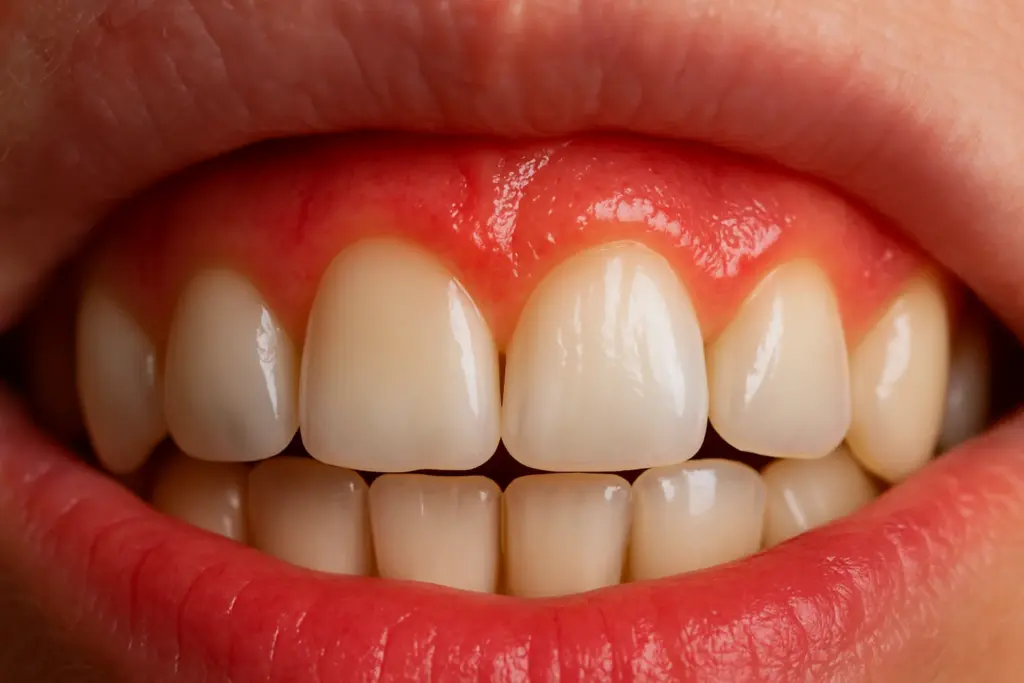
Dental Code D8670 is a code that involves the identification period of the work done in the field of periodontal maintenance, which is separate from other dental treatments. Knowing the difference between this code and other commonly used dental codes is important in deciding whether the same or related procedures will be involved.
- D4341 and D4342: These two codes are related to the initial treatments for heavily scaling and root planing that are needed for different types of periodontitis. D8670 is the code that indicates the work to be done when the first treatments are over and the necessity for continuous care arises.
- D1110 and D1120: These are the codes that stand for prophylaxis (regular cleanings) in the case of patients without signs of gum disease, and they are different from D8670, which concentrates only on the health maintenance of patients with a history of periodontal disease.
The main difference lies in the fact that D8670 is a code for patients who ought to deal with the management of an already existing condition, whereas other codes, like D1110, are meant for healthy teeth or mild cases.
The Benefits of Periodontal Maintenance
By setting the D8670 procedure regularly, an individual will enjoy the benefits of such a course, especially when he/she has been through periodontal treatment. These benefits are not limited to the mere functioning of a bright smile, but they also become safeguards for your overall health, namely:
- Prevent Tooth Loss: Keeping the gums in a good condition through periodontal maintenance is what stops the development of gum disease, which is the main cause of tooth loss.
- Improve Oral Health: D8670 restores your oral health by removing areas where bacteria can accumulate, along with tartar, thus causing less bleeding and inflammation of the gums, and these symptoms disappear gradually.
- Lower Systemic Health Risks: Having healthy gums makes you healthier as well and thereby, less prone to having diseases like heart attack and stroke that have been proven to be connected with periodontal disease.
- Cost-Effectiveness: Though you may have to bear part of the expenses, the money spent on periodontal maintenance will be saved later if you avoid severe dental problems such as tooth loss or the need for gum surgery.
When Should You Schedule Periodontal Maintenance?
It is a must to comply with the dentist’s timetable in regard to the periodontic maintenance visits. Normally, the D8670 appointments should be arranged by the patients every 3-4 months, although for some individuals with a more serious case, the visits may be even more frequent. It is during that time interval that it will be quite impossible for plaque and tartar to accumulate again and for any upcoming issues to be solved before they grow bigger.
Insurance Coverage for Dental Code D8670
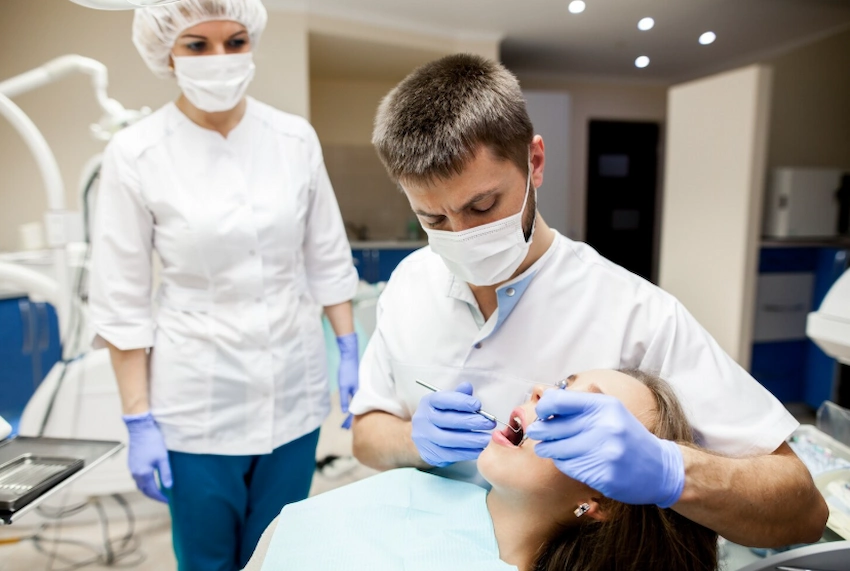
Knowing about dental insurance coverage that is available to support you in taking care of your periodontic needs is of great importance. In general, dental insurance plans cover D8670 as part of the required ongoing periodontal care, but this depends on your provider and the type of plan you have. Most probably, if you have a history of periodontal disease and have been through initial treatments, your insurance will cover the full or partial costs of D8670.
Nevertheless, it is quite important to know beforehand if your insurance is going to pay for the work that you are about to have, as some insurance plans limit the number of times that D8670 can be claimed annually. Besides, specific plans may have requirements for a co-payment to be made, and others may not agree on covering the cost of maintenance at all. So, why not get in touch with your provider and hear the truth about the coverage you can count on when it comes to D8670?
Potential Risks and Considerations
The D8670 operation is mostly harmless, but does come with some risks and considerations, such as:
- Temporary Sensitivity: Following the cleaning and scaling procedure, a few patients may experience sensitivity of the gums as well as teeth.
- Gum Recession: The development of the disease period has led the gums to recede somewhat, and this is a common phenomenon after a deep, comprehensive treatment of the periodontal area.
- Post-Procedure Discomfort: It is possible that some patients may feel slight pain or experience swelling of the gums, a situation that normally dissipates after a couple of days.
But along with these measures, it is really advisable to comply with the dentist’s instructions for aftercare and not to miss regular follow-up appointments.
Conclusion About D8670 Dental Code

Once the periodontal disease has been brought under control, Dental Code D8670 is very instrumental in the furtherance of the cause. It is also a method of ensuring that patients who have undergone an initial treatment for gum disease maintain their gum health and avoid getting any new complications. The periodontal maintenance program is essentially the road to sound oral health in the long run, and thus, those who have been affected by periodontal disease ought to consider making it a point to attend regular maintenance visits to keep their teeth and smile intact, as well as their general health safe.
References
- American Academy of Periodontology. (2019). Periodontal Maintenance: A Review of Current Clinical Guidelines. Journal of Periodontology, 90(4), 389-395.
- Ripa, L. W., & Quinn, D. D. (2017). Periodontal disease and systemic health: An overview. Dental Clinics of North America, 61(2), 353-368.
- Smiley, J. D., & Taylor, G. A. (2018). The role of periodontal therapy in preventing systemic disease. Journal of Clinical Dentistry, 29(6), 345-356.
- Kwon, K. H., & Lee, S. S. (2020). Understanding dental codes: A comprehensive guide for insurance providers and dentists. Insurance Journal of Dentistry, 45(2), 112-118.
- O’Leary, T. J., & Stern, I. S. (2016). Periodontal disease treatment and maintenance protocols: A review. Periodontal Review Journal, 42(1), 70-77.
Frequently Asked Questions (FAQ) About Dental Code D8670
Dental Code D8670 refers to periodontal maintenance, a procedure designed for patients who have received initial periodontal treatment like scaling and root planing. It helps maintain gum health and prevent the recurrence of periodontal disease.
D8670 is used for ongoing care after a patient has undergone initial treatment for periodontal disease. Regular visits every 3-4 months are recommended to maintain gum health and prevent disease progression.
Many dental insurance plans cover periodontal maintenance under D8670, especially for patients with a history of periodontal disease. However, coverage can vary, so it’s important to check with your insurance provider.
For optimal gum health, D8670 procedures are typically scheduled every 3 to 4 months, depending on the patient’s individual needs and the recommendation of the dentist or periodontist.
During a D8670 procedure, your dentist will clean below the gum line, remove plaque and tartar, and assess your gums for any signs of infection or disease. This maintenance helps keep your gums healthy and prevents the need for more invasive treatments.

