


Modern dentistry prioritizes your complete comfort and emotional well-being during every procedure. Dental anxiety is one of the very few things in this world that is natural and understandable for patients. The dental industry is very much aware of that, and it constantly tries to alleviate patients’ fears with comfort solutions that are both safe and effective. D9230 dental code is indicative of one of the most reliable methods for a fearful patient to have his/her anxiety calmed – the use of nitrous oxide analgesia. This post decorates D9230 to be a clear and comprehensive guide, telling how this sedation choice makes dental visits both pleasant and painless. Knowing your options gives you the power to decide which treatments are best for your oral health and thus turn the experience of an office visit from a stressful one into an easy and reassuring one.
What is Dental Procedure Code D9230?
The American Dental Association (ADA) came up with the Current Dental Terminology (CDT) code set with the goal of unifying billing and treatment descriptions across all dental practices. The code D9230 is at its most detailed level, a representation of the activity in which nitrous oxide and oxygen analgesia is applied. The whole process is about you inhaling the precisely measured combination of nitrous oxide and oxygen that is delivered through a small mask fitted over your nose. Dentists employ D9230 to bring you to a state where you feel relaxed and comfortable; however, you are still fully conscious and can communicate. This state you feel greatly reduces your perception of pain and anxiety during the dental treatment. The code in itself is indicative of the entire process from the very first administration of the drug by the dentist or hygienist to the very last recovery moment; thus, it is billing that’s completely transparent for service.
Understanding the D9230 Process: A Step-by-Step Description
Choosing to learn about each step in the D9230 process will certainly empower you to make that choice of sedation, and at the same time, it will be your assurance and safety. Knowing exactly what is coming helps eliminate the element of surprise and makes it possible for you to completely let go of control and trust the whole thing.
- Comprehensive Health Review: The medical history review will be first and foremost the work of your dentist. This very important safety step is required in order to make sure nitrous oxide is a low-risk and suitable choice for your particular health profile. To be able to do so, they must ask a bunch of questions related to your respiratory health, medications taken, and general health status.
- Personalized Procedure Explanation: The dental team will go through with you what treatment is coming up and how nitrous oxide will be involved to make you comfortable. Your questions will be answered until you are perfectly aware of things and thus are willing to go on. The talk here is about consent at its deepest meaning and the feeling of being in charge of a partnership rather than a client.
- Comfortable Mask Placement: A soft and comfortable mask is placed by your dentist over your nose. Normal breathing through your nose, and the gas mixture for the delivery will be delivered by the mask. The fit is good and non-restrictive, and thus, at the same time, you can continue breathing easily and can speak if you want to.
- Gradual Administration and Titration: First, the flow started by your dentist will be pure oxygen, and then the nitrous oxide will be slowly and gradually added. Titration, as this technique is called, enables your dentist to alter your sedation level exactly to your requirements since it is he who performs titration. Within a few minutes, you will experience the feeling of total relaxation and well-being. Your dentist will constantly communicate with you in order to achieve the perfect level of relaxation for you.
- Completion of Your Dental Procedure: Your dentist will perform the planned dental work while you remain in a calm and comfortable state. You will be awake, able to listen to your dentist, and if asked, respond with a few words or gestures during the whole appointment. Most of the time, it seems that time flies and procedural sounds are hardly heard, and even if they are, they do not bother you.
- Oxygen Flush for Recovery: Once the dental procedure has been completed, the dentist will administer 100% pure oxygen for a few minutes. The oxygen flush will quickly rid your system of nitrous oxide. The nice sedative effect goes away very quickly, thus allowing you to get back to normal in a matter of minutes. This is a very important safety measure in place that assures you go back to your usual state.
- Post-Operative Clearance: Your dentist will let you know that you can leave the chair once you are fully alert and normal. Because the effects wear off quite fast, usually, you can drive yourself home and continue with your daily routine right away. There are no cognitive impairments lingering, which makes it a very convenient option.
The Direct Benefits of Choosing Nitrous Oxide (D9230)
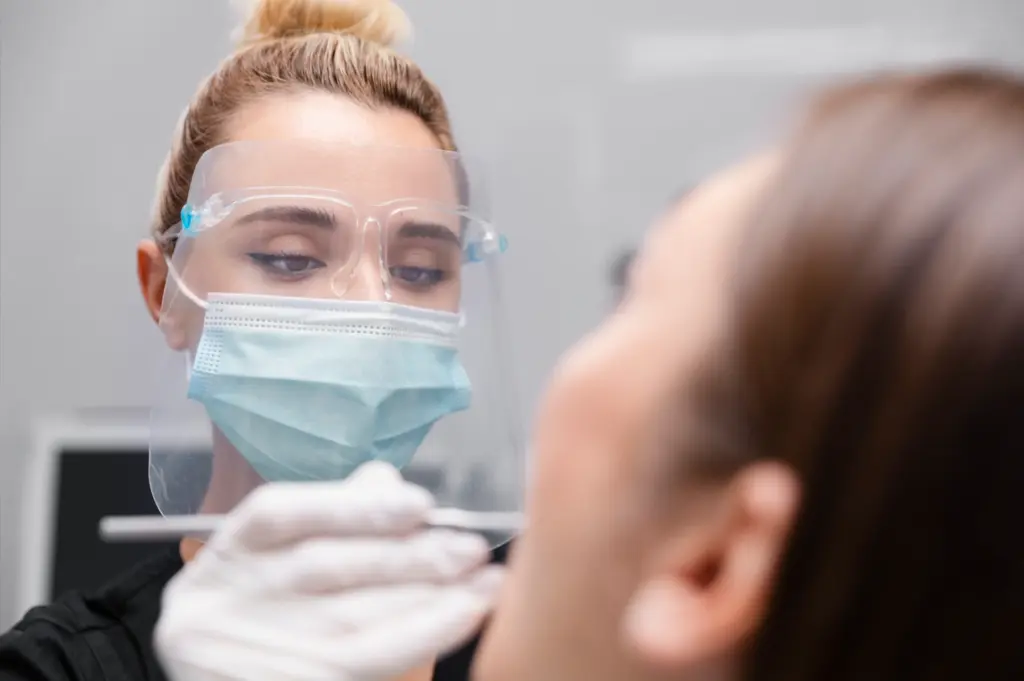
D9230 is a commendable choice to make in your dental appointment, which offers you the following proven advantages leading to a pleasant care experience. They are the reasons that make this method a premier option for patients who want calm and positive dental visits.
- Anxiety Reduction at the Most Effective Level: As one of the anxiolytic agents, Nitrous Oxide directly lessens the sensation of fear and the feeling of nervousness; hence, the entire dental visit becomes more enjoyable. The central nervous system is the target through which Nitrous Oxide produces the relaxed state of the mind.
- Pain Control of the Highest Level: The apparatus elevates the pain limit of the individual; hence, the latter will feel minimal or no pain at all during injection or any other invasive procedure. The analgesic effect is one that underlies the provision of local anesthesia; thus, a layer of comfort is added on top of that.
- The Patient Maintains Consciousness and Cooperation: The patient is conscious and responsive; thereby, he/she can follow the doctor’s orders and be compliant with the procedure, ensuring the patient’s safety. This is very important, especially when complex interventions are to be done and the patient has to give feedback.
- Fast Recovery and Rapid Onset of the Practice: The effects of the therapy are felt within three to five minutes and are also completely gone in a similar period when oxygen is given. The main benefit of the fast action is that the patient receives comfort exactly when it is needed without wasting his/her day.
- Profile of Safety that is Proven: Dentists have been using nitrous oxide in dentistry safely for a very long time, and the track record is excellent concerning patients of all ages. There are very few contraindications, and no harm to the organs is caused by it.
- Dosage Control: In an instant, your dentist may change the level of nitrous oxide, thus your sedation might be deepened or lightened depending on the need. An important safety advantage over oral sedatives is that this precise control is the main one.
An Ideal Candidate for D9230 Sedation
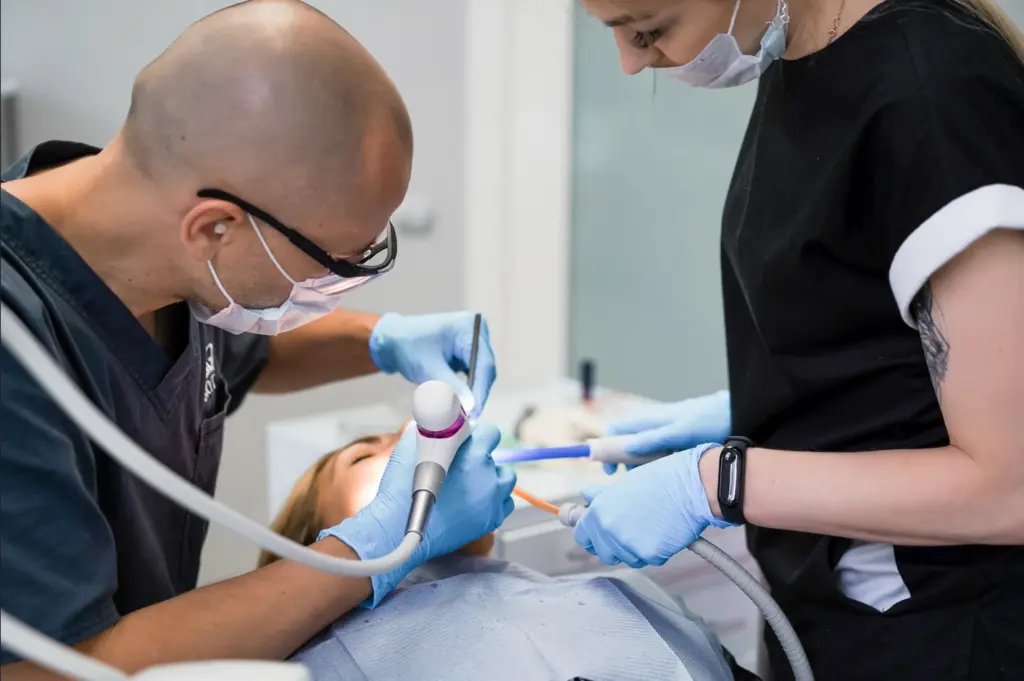
As a great choice of pain relief, nitrous oxide analgesia may be used in the treatment of almost any patient. The most common are situations that occur at the dental chair in which its flexibility, together with the safety profile, turn it into a go-to solution for those cases.
- Patients with Dental Anxiety: D9230 is a leading remedy for people who feel strained and worried when going through dental treatments. It assists in destroying the chain of anxiety that thus keeps flaring up, and the patients are not able to seek the necessary care.
- Children and Teenagers: Pediatric dentists very often turn to nitrous oxide when they want the little patients to be cooperative and comfortable during their visits. Particularly, children with short attention spans or those going through their first major procedure can really benefit from it.
- Individuals with a Strong Gag Reflex: The relaxation brought about by the gas can really help in reducing the sensitivity of a gag reflex, and thus it becomes easier to do X-rays, impressions, or dental work on the back teeth.
- Patients Undergoing Lengthy Procedures: For appointments requiring a long time in the dental chair, such as fillings done at multiple sites, crowns, or deep cleanings, D9230 is the solution that brings comfort and patience.
- People Who Prefer a Comfort-Driven Experience: The presence of this option in the treatment plan is great news for any patient who, in return, wishes to have the maximum comfort and a positive dental visit. A routine cleaning is turned into a truly pleasant experience thus by this option.
- Individuals with Special Needs: If there are patients with physical, cognitive, or behavioral challenges, then nitrous oxide may be an indispensable tool to provide safe and effective treatment to them.
Safety Assembling: The Strict Protocols About D9230
Above everything else, patient safety is the main concern when D9230 is being administered. Precautions taken by dental practices from the beginning till the end of the procedure to ensure your safety are very strict in nature. They cannot be bargained with and are a part of every dental professional’s educational program.
- Medical History Screening: The examining doctor will ascertain that you have no particular medical conditions that prohibit the therapy, such as specific respiratory diseases (e.g., COPD), pregnancy within the first trimester, or recent eye surgery with intraocular gas bubbles.
- Advanced Scavenging Systems: There are highly efficient vacuum systems incorporated in modern dental units, which are able to suck up the surplus gas around the nasal hood. This technology is there not only for the safety of the dental staff but also for maintaining a clean office environment with minimal occupational exposure.
- Continuous Monitoring: Your dental team will be with you during the whole time and will always be keen on your comfort and vital signs as well, in order to be able to provide you with a consistent, positive experience that is consistent. They are always ready to identify your needs and take action immediately.
- No Long-Term Side Effects: Nitrous oxide is a non-allergenic agent and is not metabolized in your body. During the recovery period, it is completely eliminated through the lungs and thus, there are no remnants of it in your bloodstream.
- Professional Training and Certification: Dentists and dental hygienists partake in the targeted training program followed by certification, which allows them to administer nitrous oxide. This is what makes them experts in the field of equipment, pharmacology, as well as emergency protocols.
An In-Depth Comparison of Dental Sedation and Anesthesia Codes
CDT has different codes to indicate anxiety and pain management. The chart below displays a concise and straight comparison that helps you better understand each code’s divergences and applications.
| CDT Code | Procedure Name | Level of Consciousness | How It’s Administered | Onset / Recovery Time | Patient Requirements | Typical Use Cases |
|---|---|---|---|---|---|---|
| D9230 | Nitrous Oxide Analgesia | Fully conscious, relaxed, and responsive. | Inhaled through a nasal mask. | Very rapid onset (3-5 min); Full recovery in 5-10 minutes after oxygen. | No escort needed. Can drive immediately. | Mild to moderate anxiety, gag reflex, shorter procedures, pediatric patients. |
| D9241 | IV Sedation (Conscious Sedation) | Drowsy, deeply relaxed. May drift to sleep but can be awakened. | Intravenous line in arm or hand. | Rapid onset (1-2 min); Recovery takes 30-60 minutes. Requires observation. | Mandatory escort. Cannot drive for 12-24 hours. | Moderate to severe anxiety, complex oral surgery, lengthy procedures. |
| D9242 | IV Sedation (Deep Sedation/General Anesthesia) | Unconscious or barely rousable. No awareness of procedure. | Intravenous line, often with inhaled gases. | Rapid onset; Recovery is slowest, requires prolonged monitoring. | Mandatory escort. Cannot drive for 24+ hours. | Complex wisdom teeth removal, major oral surgery, patients with extreme anxiety. |
| D9630 | Oral Sedation (Other than Nitrous Oxide) | Moderately to deeply sedated. May sleep but are rousable. | Prescription pill taken before appointment. | Slow onset (30-60 min); Prolonged recovery (several hours). | Escort strongly required. Cannot drive for 24 hours. | Moderate anxiety, patients who dislike needles, longer appointments. |
| D9215 | Local Anesthesia | Fully conscious and alert. | Injection directly into the oral tissue. | Onset in 2-10 minutes; Numbness lasts 2-4 hours. | No escort needed. | Routine procedures like fillings, crowns, and root canals. Numbs only the treatment area. |
Conclusion About D9230: Empowering Your Dental Care Choices
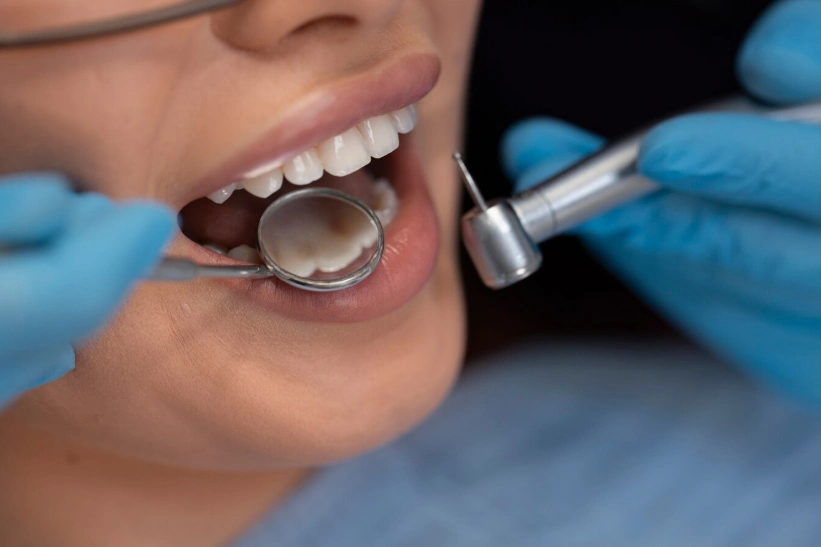
Dental code D9230, nitrous oxide analgesia, is an indispensable element of the empathetic, patient-centered dental care of the 21st century. It gives you the freedom to obtain the necessary dental treatment while being in a peaceful, safe, and comfortable state. By opting for D9230, you are taking the initiative to defeat the fear of dental visits and to have a positive health experience all the time. We urge you to talk about this excellent comfort option with your dentist at your next consultation. An honest talk about your fears and preferences is the very first step to a lifetime of healthy, stress-free smiles. Let me remind you that your comfort is not a luxury; it is an essential part of proper dental care.
Sources:
- American Dental Association. (2023). Current Dental Terminology (CDT). ADA Catalog.
- American Academy of Pediatric Dentistry. (2021). “Use of Nitrous Oxide for Pediatric Dental Patients.” The Reference Manual of Pediatric Dentistry.
- Malamed, S. F. (2018). Sedation: A Guide to Patient Management (6th ed.). Elsevier.
- Clark, M. S., & Brunick, A. L. (2015). Handbook of Nitrous Oxide and Oxygen Sedation (5th ed.). Elsevier.
- American Dental Association. (2022). Guidelines for the Use of Sedation and General Anesthesia by Dentists.
Frequently Asked Questions About D9230 Dental Code
The D9230 dental code refers to the use of sedation during a dental procedure. It indicates the administration of sedative medication to help patients relax and feel comfortable during treatment, especially for those who experience anxiety or fear of dental visits.
No, the D9230 code does not refer to a needle or injection for local anesthesia. It is used for sedation, which is typically administered via oral medication, inhalation, or IV to calm the patient without completely putting them to sleep.
While D9230 provides relaxation and reduces anxiety, it does not provide direct pain relief. Pain relief is usually achieved with local anesthetics or other forms of anesthesia. Sedation helps the patient feel at ease and calm during the procedure.
Sedation under the D9230 code is commonly used for patients who are anxious about dental treatments, those with a low pain tolerance, or those undergoing more complex procedures that may take longer. It helps reduce the feeling of discomfort and makes the treatment experience more manageable.
Patients consistently describe the sensation as a warm, floating feeling. You will feel deeply relaxed, pleasantly calm, and mildly tingling throughout your body, all while remaining aware of your surroundings.
Yes, nitrous oxide is an exceptionally safe and commonly used sedation method in pediatric dentistry. It helps children build positive, trusting relationships with their dental care providers.

