


Dealing with dental procedure codes may sound like solving a difficult puzzle, but it is really necessary to understand a code like D6058 if you want to be in charge of your oral health. A D6058 dental code means that the “Abutment supported porcelain/ceramic crown” is the final, the least invasive, the tooth restoration attaching to a dental implant. This implant crown is basically what the implant process is all about, made to look, feel, and work like a real tooth.
D6058 crown is not a traditional one that is glued onto the natural tooth structure, but it is connected with an abutment, the device that is firmly attached to the implant post in your jawbone. This detailed guide will lead you through the D6058 operation, explaining its importance in the current restorative dental field, revealing the real advantages for your oral function and smile look in the long run, acquainting you with the thorough steps from initiation to the final placement, and explaining the worth of the investment.
We want to provide you with all the information required so that you can be relaxed and clear-headed when you are planning implant restorations and you will thereby get a durable, healthy, and attractive smile that will last for a long time.
A Detailed Reflection on the D6058 Dental Code
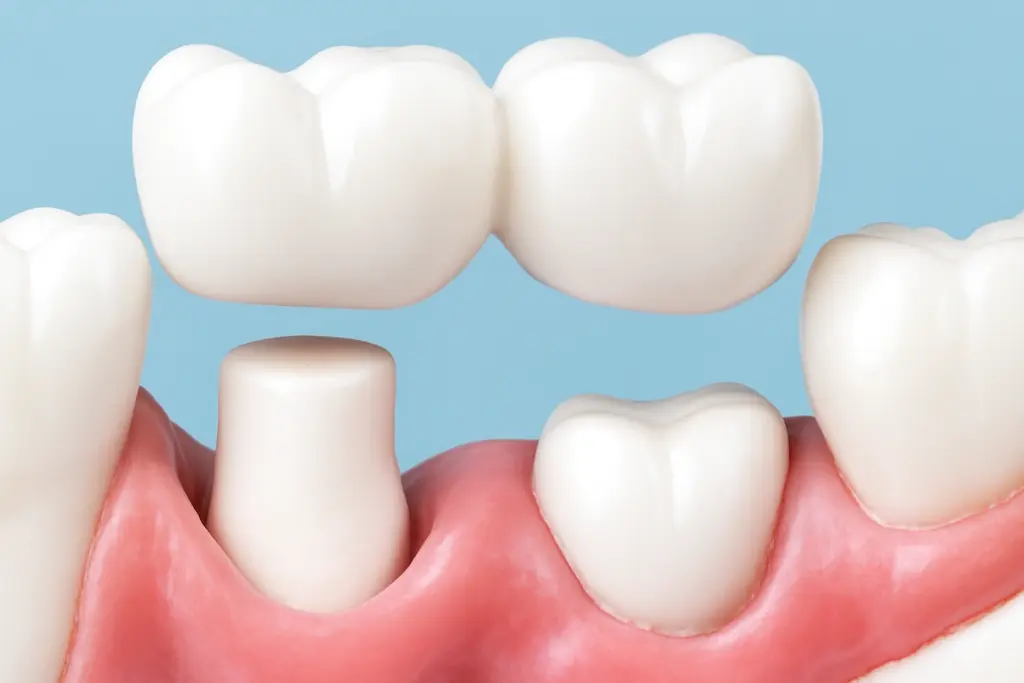
The American Dental Association (ADA) is the one who sets and keeps the Current Dental Terminology (CDT) codes, which are made to be the standard for communication and billing to ensure uniform, accurate, and in line with the requirements of the dental profession. The D6058 code is a single item in this coding system, and the initial step to understanding its worth is getting its exact meaning. Understanding the expression by breaking down each word will give full comprehension of its meaning:
Abutment Supported – The Basis of Resistance
This part points out the main technical difference of the code. An abutment is a connector of the custom-milled, usually made of titanium or zirconia, which serves as the link between the implant body in the bone and the final crown. The dentist is the one who screws the abutment into the implant post with exactitude. Afterwards, the D6058 crown is designed to rest on the abutment; thus, it is either cemented in place permanently or attached with a screw.
The three-part system, namely—implant fixture, abutment, and crown, gives the patient not only the greatest stability but also a possibility for the dental technician and lab assistant to manipulate the angulation slightly, hence, the final crown comes out of the gum in a natural and functional way at the right spot. The precision of this is the basis of the restoration’s durability and health in the future.
Porcelain/Ceramic Crown – The Top of Beauty and Biocompatibility
This describes the material from which the replacement tooth is made. High-strength ceramics such as advanced zirconia and lithium disilicate are brought into modern dental practice; these are created to be very durable and have the same visual characteristics as a real tooth. These materials are prepared and colored by highly skilled dental technicians to have the same brightness, color, and even light-reflecting properties of natural enamel as the original tooth is.
The final product is not only strong enough to last for years, but also it is almost impossible to spot the difference between the natural teeth and the restoration. What is more, these high-performing ceramics are fully biocompatible, which means that they are very well-tolerated by the soft tissues around the tooth, thus enhancing the healthy sealing and lessening inflammatory reactions at the implant site.
The dentist will advise you to get a D6058 crown when a single-unit implant crown is newly made for you or when a stable, well-implanted, old existing crown is replaced. It is very important to realize that this code is only for the production and the setting of the crown prosthesis itself. The placing of the implant body in the surgical site (with code D6010) and the making and setting of the abutment (commonly reported with code D6057 if it is for a custom abutment) are separate steps with separate codes. There will always be a detailed treatment plan that clearly lists each of these parts, thus giving you the full disclosure of the extent and cost of your entire implant restoration journey.
The Significant and Lasting Benefits of Choosing a D6058 Porcelain/Ceramic Crown
The first thing is that a D6058 crown is a good decision. This means high-quality dental care, and the patient benefits will be plentiful, and they will directly influencing the patient’s everyday life and health in the long run.
Unparalleled, Natural-Looking Aesthetic Outcome
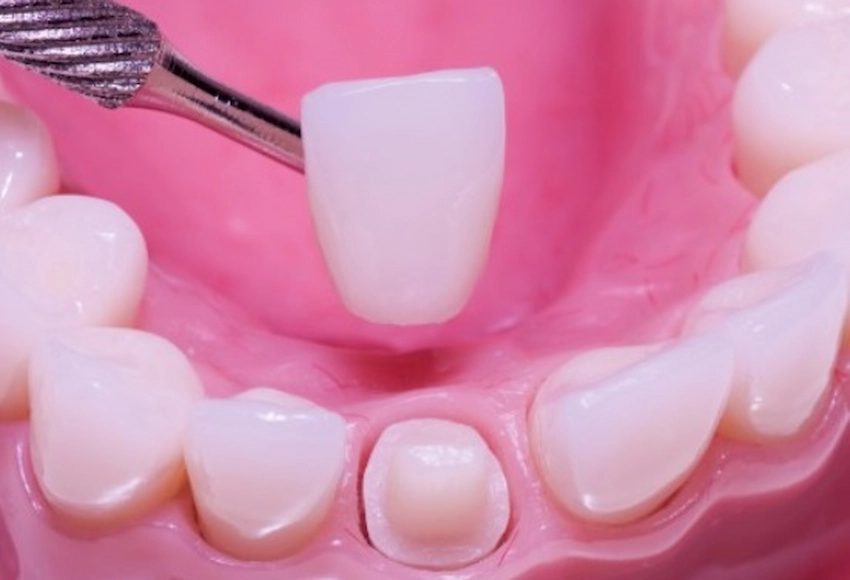
The main advantage of porcelain and ceramic materials is their closest possible mimic of natural tooth structure. The color of these dental ceramics can be matched exactly and can be characterized so that no one will see the difference between these and the adjacent natural teeth. For this purpose, the technicians finely layer the ceramic to imitate the internal light-scattering of enamel and dentin, and thus, a coloration depth and liveliness are achieved that metal-based crowns cannot reach. Such high control over the aesthetic result is very important in the mouth area that is visible when smiling, thus making sure that the restoration looks absolutely natural and increases the patient’s confidence.
Excellent Gum Tissue Health and Biocompatibility
The state of the gum tissue that surrounds the implant and is called peri-implant mucosa, is a major factor for the implant to be successful in the long run. High-strength ceramics like zirconia are very friendly to the body and receive excellent soft tissue response. Their non-porous, glossy surfaces are more resistant to plaque than some other materials; thus, they contribute to the maintenance of healthy gums and prevention of peri-implant mucositis, which is a reversible inflammation. By creating the condition for a stable and healthy soft tissue around the implant, a ceramic crown becomes a vehicle for implant site protection and implant longevity.
Great Strength and Continued Usefulness Over a Long Period
The dental ceramics that are used today are not the fragile ones from the past. Thus, for instance, monolithic zirconia has very high bending strength and hence it is very hard to chip or break under normal biting forces. By getting a D6058 crown, you get a restoration that is designed to be able to work properly for more than 15 years, provided it is taken care of well. This strength manifests itself in the provision of daily confidence; thus, you will be able, without fear, to enjoy a full and varied diet.
Accurate, Secure, and Stable Fit for Maximum Peace of Mind
The main goal in creating a D6058 crown is to have a perfect mechanical fit. The crown is made with micron-level accuracy from digital scans to computer-aided design and manufacturing (CAD/CAM). Bacteria that can cause infection cannot settle in micro-gaps which are eliminated by this accurate fit over the custom abutment, because ventilation of the chewing forces is kept at a balanced level, and problems such as screw loosening or cement washout are avoided. Comfort is not the only thing that a stable fit is about; it is actually a fundamental condition for the long-term health and survival of the dental implant.
The D6058 Procedure in Details: The Joint Effort of the Perfect Result
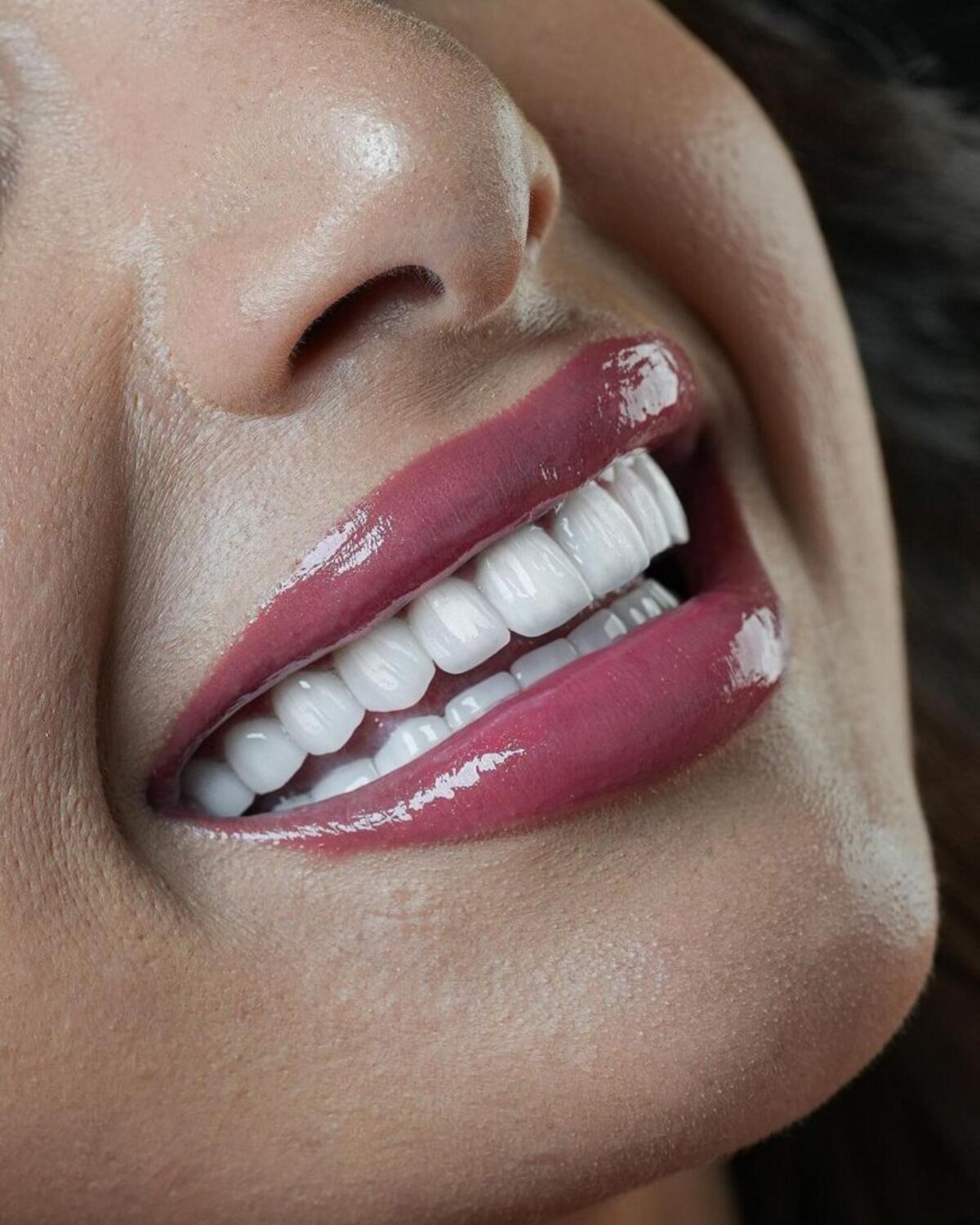
The final D6058 crown process is a series of carefully planned acts involving your dentist, a dental laboratory, and you, the patient. Being aware of the parts not only clarifies the procedure but also shows how exact the work is.
Phase 1: Implant Integration and Abutment Selection
The surgically placed implant must have completely merged with your jawbone through a process known as osseointegration, which usually takes three to six months before the D6058 crown operation can be performed. After this, if a healing cap is placed, the dentist will expose the top of the implant by making an incision. The very next important point will be a decision on the abutment. Your dentist will decide whether to use a stock abutment or, most likely, for the best results, a custom abutment (D6057). A custom abutment is made by digitally designing and milling it in a way that it perfectly fits the implant platform as well as the exact shape of the gum tissue, thus creating the perfect base for the crown.
Phase 2: Highly Accurate Digital Impressions and Shade Matching
The dentist takes an accurate impression of your mouth with the abutment in the position. Today, dentists mostly use digital intraoral scanners for this purpose, as it is done extremely fast and the result is a very accurate 3D digital model. The digital file is physically sent to the dental laboratory. At the same time, a very important shade-matching step takes place, where both the dentist and the lab technician employ shade guides and digital photography to determine not only the shade, but translucency and characterization of the natural teeth next to the missing one, thus, they can make the final crown the same color as the other teeth.
Phase 3: Expert Laboratory Fabrication by Master Technicians
This is the stage where the crown becomes a real physical entity. Utilizing digital models, the dental technician, who is skilled and experienced, uses CAD software to design the crown. The technician shapes it very meticulously for perfect form, function, and emergence from the gums. Then, the design is sent to a milling machine (CAM), which does the work and produces the crown from a solid block of the chosen high-strength ceramic.
After that, the technician layers and fires the stains and characterization porcelains onto the core structure, and through the artistic talent achieved by the technician, creates the exact duplication of the natural tooth. This stage is a perfect blend of advanced technology and the artist’s skill.
Phase 4: Try-In, Adjustment, and Final Secure Placement
You will come back for the last visit to the dental office. Your dentist will carefully place the completed crown onto the abutment in order to check the fit, the contact points with the adjacent teeth, the color match, and the comfort of your bite. You will be able to see and comment on the restoration. In case of complete satisfaction, the doctor will complete the final attachment.
They will secure the crown with a permanent dental cement in the case of cement-retained crowns. In the case of screw-retained crowns, they will tighten the screw to the manufacturer’s specific torque requirement through the small hole in the crown that gives access to the abutment screw, and then close the access hole with a composite filling. This last step is the one that links your new, fully functional, and aesthetically perfect tooth firmly with your dentition.
Why the D6058 Code is a Sensible Investment for a Long Period?
The fee for D6058 code is a reflection of the enormous value, top-notiness, and efforts that are needed to make a dental implant crown successful. This cost is by no means random; it takes into account the high price of the advanced ceramic materials, which are made to very strict medical-grade standards. What is more, it covers the hefty investment in the newest technology for the digital scanning machines, CAD/CAM software, and milling tools. Most importantly, it rewards the major skill and time of the dentist and the dental laboratory technician, who both thus contribute the most to your restoration.
This crown is a specially made medical device, designed to last, to keep healthy and for beautiful looks, rather than being one of the many mass-produced commodities. At present, a good number of dental insurance plans are providing coverage for implant crowns, usually at a level similar to that of a regular crown. Our administration team is here to help you make the best use of your insurance benefits and will give you a clear pre-treatment appointment of the costs, along with payment options, making it easy for you to plan your finances and letting you move towards a cost-efficient restoration of your smile without any worries.
Protecting Your D6058 Crown: Essential Care for Lifelong Durability
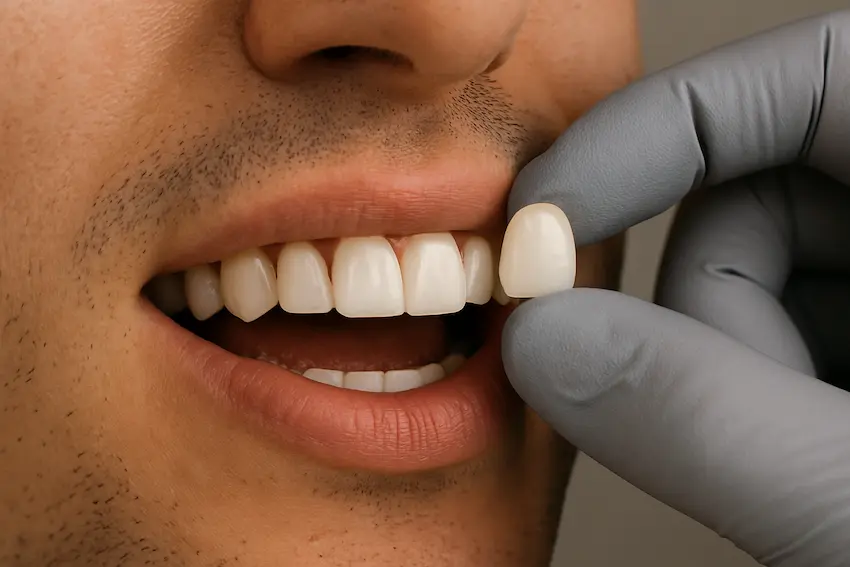
If you want your D6058 implant crown to live long and be very successful, the responsibility is shared between you and your dental team. The most important factor for longevity is a consistent and thorough home care routine. At least two times a day, you should brush the crown and the surrounding tissues with a soft-bristle toothbrush and a non-abrasive toothpaste. Flossing is very important, too; you have to use implant-specific floss, super floss, or a water flosser for cleaning around the abutment and under the crown’s contours every day so that you break the plaque biofilm.
What is just as important are your professional cleanings and check-ups that you should keep regularly, typically twice a year. During these visits, our hygienists use specialized, non-metallic instruments for the cleaning of implant parts without causing scratches, while the dentist will do a full examination, checking the crown’s condition, the abutment stability, and the bone health visually and through X-rays of the area. By following this simple yet effective care scheme, you do your part to ensure that your D6058 crown will remain functional, attractive, and healthy for a very long time. Thus, you are protecting one of the most valuable investments you can make towards your overall well-being.
Sources:
- American Dental Association. (2023). Current Dental Terminology (CDT). Code D6058: Abutment-supported porcelain/ceramic crown.
- Academy of Osseointegration. (2021). “Consensus Statements on the Restoration of Dental Implants.” International Journal of Oral & Maxillofacial Implants.
- Sailer, I., et al. (2018). “All-ceramic versus metal-ceramic tooth-supported prostheses: A systematic review and meta-analysis.” Journal of Dentistry.
- Papaspyridakos, P., et al. (2023). “Survival and complication rates of implant-supported fixed dental prostheses: A long-term retrospective study.” The Journal of Prosthetic Dentistry.
- Heintze, S. D., & Rousson, V. (2021). “Survival and complications of computer-aided design/computer-aided manufacturing (CAD/CAM) implant-supported restorations: A systematic review.” The International Journal of Prosthodontics.
Frequently Asked Questions About the D6058 Dental Code
The D6058 dental code refers to the procedure of placing a custom abutment with a dental implant. It specifically addresses the placement of a custom abutment, which is an essential component in implant dentistry to support crowns, bridges, or other prosthetics.
The insurance of D6058 depends on the provider and the plan. You need to confirm with a dental insurer if the placement of a custom abutment is within the coverage of your policy.
The procedure for placing a custom abutment typically takes between 1-2 hours, depending on the complexity of the case and the number of implants being treated.
Risks such as infection, pain, or failure of the implant to integrate that can be encountered in any dental operation may also be the case here. Conversely, in general, custom abutments are linked to favorable and anticipated results.
D6058 is suitable for most dental implant cases, especially when a more personalized approach is needed for the abutment. However, the dentist will evaluate your case to determine if a custom abutment is the best option for you.
The code D6058 refers to the placement of a custom abutment on a dental implant, while D6057 points to the use of a titanium abutment. D6058 is an intimate abutment that is specifically made for the patient’s dental structure.

