


D2940 is the dental code for the identifier for the cardboard or crown reattachment procedure. Crowns are a part of dental restoration that is used to cover damaged teeth and make them stronger. Besides, crowns protect the teeth and enhance their aesthetic feature. However, sometimes loosening and detachment of crowns may occur as a result of some causes, like getting older, the wrong fitting of the crown, or a blow. When this happens, it is necessary to reattach the crown tightly to regain the tooth’s function and appearance. The D2940 is a very affordable, non-invasive way, which is the only recementing method that can reattach the crown without a replacement.
This comprehensive guide explains the D2940 procedure in detail, including patient information in the healthcare intervals, a dentist’s technique, consequences, and expenses. By learning about the process, patients will have the power to decide on their oral health and know how their dentist will bring back the crown to its optimal function.
What is the D2940 Dental Code?
D2940 dental code indicates the correction of a loose crown by recementing it. Dental crowns are implantable devices that can be used to cover and support a tooth that wears down due to decay, cracks, or use. The cement that holds the implant can get worn out gradually, as a result of this or that, and thus the crown may come off. The D2940-longest allows a dentist to match the crown and the tooth and then fix the crown with fresh dental cement.
Usually, this operation is carried out when the condition of the crown is still good, and the tooth is not spoiled or broken. In that case, if the crown is okay but the linkage is weak, recementing is an effective way to save a tooth without getting a new one. This minor operation is a time and money saver compared with other treatments for crown replacement.
When is the D2940 Procedure Used?
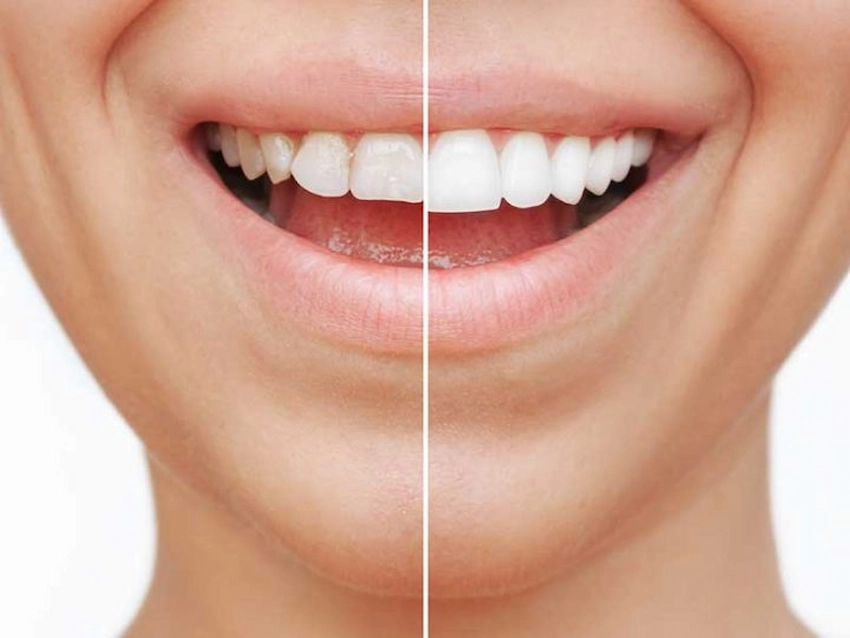
The D2940 procedure is a surgical technique used when a crown has become loose, dislodged, or fallen off but is still intact. There are a few factors that can cause a crown to come off, such as the following:
- Wear and Tear: Initially, while being used for years, the adhesive cement holding the crown will inevitably wear out due to the pressure of chewing, exposure to acids from food, and natural wear. With the continuation of degenerating cement, the crown may separate.
- Trauma or Injury: Sometimes an accidental blow to the mouth or jaw is what causes a dental crown to come off or become loose. Along these lines, a case of a person getting hit in the mouth due to a car crash or while playing a sport is the most common scenario.
- Decay or Infection: In case of decay happening near a dental crown or the tooth that is underneath the crown gets infected, the connection between the crown and the tooth may be loosened, thus the crown can be separated.
- Improper Fit: If the crown was not properly adjusted at first, then the bond would probably not be as strong as considered, hence early loosening.
In such instances, the D2940 method empowers a doctor to fix a broken tooth without the need for a full replacement, only if the crown is not damaged. If your dental crown is cracked, chipped, or damaged in any way, or the tooth structure underneath the crown is severely compromised, the dentist will probably recommend a new crown.
Steps Involved in the D2940 Procedure
The D2940 procedure normally includes the following steps, which are simple and gentle on the patient:
1. Examination and Diagnosis
The dentist will perform a very close visual examination of the crown to be recemented and also make use of an X-ray to get a better picture. The dentist will be searching for decay, infection, or any other type of damage in the tooth that is used for the crown, which might question its strength. The condition of the crown will also be assessed to eliminate the possibility of cracks or breaks.
2. Cleaning and Preparation
First of all, the dentist scrapes off any remaining old cement on both the crown and the tooth from the inside. Workpieces are cleaned very well to ensure perfect bonding and thus no fragments of the old cement can remain. Besides, the dentist gets rid of plaque and food remnants from the area around to create a nice place for fresh cement.
3. Applying Fresh Cement
After the sterilization, the dentist applies a new adhesive layer on the inner side of the crown. One option for the adhesive is a resin-based material that features excellent bonding properties and is perfect for securing a crown tightly in place. Afterward, the dentist places the crown on the tooth once more, checking that it is not only properly aligned but also fitting tightly over the tooth.
4. Final Adjustments
The dentist will visually reexamine the fit and the alignment of the recemented crown.The patient will be asked to bite down gently and check if the crown fits properly with the rest of the tooth. Any necessary changes will be made by the dentist to ensure that the crown fits comfortably with the adjacent teeth. The dentist will take off the extra cement that has been used for recementing and will polish the surface of the crown so that it is smooth and shiny as well.
Benefits of the D2940 Procedure
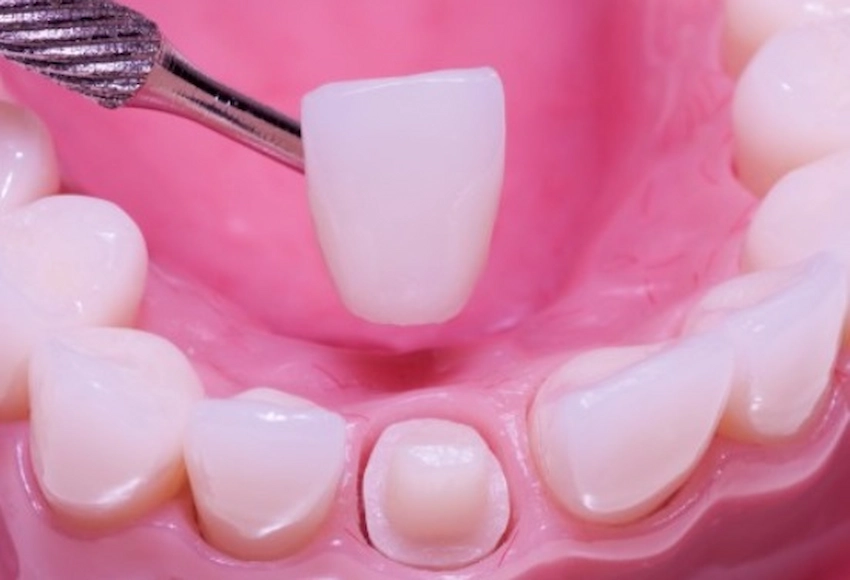
The D2940 procedure has the capacity to deliver a wide range of benefits to both patients and dentists. They are:
- Cost-Effective: In the case of recementing, the expenses are way lower than the case of a new crown replacement. Patients do not have to spend a lot of money, but they still get a full restoration of the tooth’s function and appearance.
- Quick and Convenient: D2940 is an incredibly straightforward action that is typically done in a patient’s single dental visit, thus it is quite a time saver both for the patient and the dentist. This technique is ideal for patients who want a quick fix to their problem without having to make several appointments.
- Preserves the Existing Crown: Recapping enables a patient to keep their current crown if it is still in a good state, thus saving the trouble of making a new one.
- Non-Invasive: A D2940 operation does not entail any drilling or additional changes to the tooth. The crown, being the only part cleaned and reattached, makes it a non-invasive procedure when compared to other crown-related treatments.
- Long-Term Stability: The re-glued crown may actually be able to serve many more years and thus provide continuous protection and function to the tooth.
Aftercare and Maintenance for a D2940 Crown
Those people who have had the D2940 procedure are usually allowed to carry on with their normal activities immediately. Nevertheless, observing these post-operative instructions will help guarantee that the crown will remain intact and in good working condition over time:
- Firstly, after 24 hours from a recementing, there should be no consumption of hard, sticky, or chewy foods that might dislodge a crown or cement setting process.
- Proper oral hygiene must be practiced by everyone who brushes and flosses their teeth regularly. In addition, special care should be taken of the place where the crown was recemented in order to avoid plaque buildup and the resulting decay.
- Do not exert too much pressure on the crown, is pieces that are consumed on hard objects or grinding your teeth. If you have the habit of grinding your teeth (bruxism), the dentist might recommend the use of a night guard to relieve the situation so that your crown and other teeth can be safe.
- Regular dental appointments: Patients must have their teeth checked by a dentist regularly. The doctor will be able to keep an eye on the health of both the crown and the tooth underneath and thereby make sure that the restoration is firm and there are no new issues.
Cost Considerations for the D2940 Procedure
The price for a D2940 operation is not fixed but fluctuates in accordance with the establishment where it is to be done and other aspects, like the case complexity and the dentist’s fees. Anyway, most of the time, a recemented crown is cheaper than a new one. The majority of dental insurance schemes will cover the cost of a D2940 operation since it is deemed a necessary step in maintaining the beauty and function of teeth. Patients, however, should check with their insurer whether they are really covered.
Conclusion: The Importance and Benefits of the D2940 Procedure
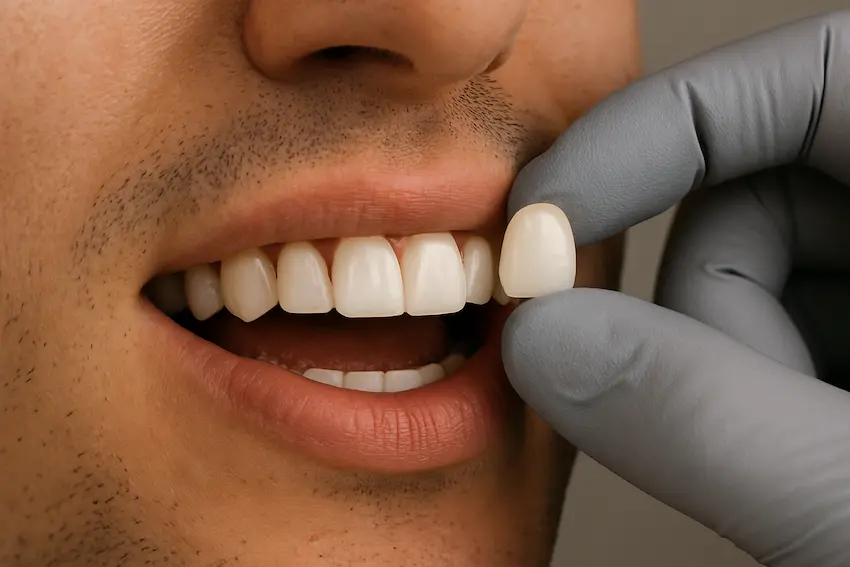
D2940 is a very significant dental code in the field of restorative dentistry, especially for those patients who are looking for a cheap, non-invasive, and efficient way out of a loose or dislodged crown problem. Reattaching a crown is a short and simple task, which, in fact, is one of the main reasons why it can be easily done. By just going through this very simple procedure, D2940 patients get the chance to recover the functionality, structure, and beauty of their teeth, thus rescuing themselves from the need for more complex and expensive treatments.
Thanks to a simple but effective routine consisting of cleaning, recementing, and adjusting, the patients provide themselves with the opportunity to fully utilize their teeth again, and consequently, their overall dental health and comfort will be improved. Some of the procedure’s virtues, such as it being cheap, time-efficient, and minimal in its invasiveness, make it the perfect choice for people who have had their crowns loosen due to getting older, trauma, or decay.
The D2940 operation is an excellent move to the eventual healthy survival of the tooth, which is the part that supports the crown. Proper oral hygiene and regular dental visits will be the best guarantee that the crown that has been recemented will stay in place, and the tooth will be healthy.
Knowledgeable patients are sure of the D2940 operation as their selection and see its advantages as the first thing. Thus, they opt for this solution when they need to reattach a loose crown and take the lead in maintaining their oral health. The D2940 process is a valuable resource in contemporary dental care, whether it be for the patients whose crowns have become loose or for those who are looking for a quick fix without the need for a replacement.
References
- American Dental Association. (2019). Dental codes: Comprehensive guide for practitioners. Chicago: American Dental Association Publishing.
- Akkılıç, P., & Yıldız, C. (2020). Restorative dentistry: Crowns and bridges techniques. Istanbul: Lema Dental Clinic.
- Smith, J., & Lee, A. (2018). Understanding dental crown reattachment procedures. Journal of Restorative Dentistry, 22(3), 54-62.
- Patel, K., & Sharma, R. (2021). The role of dental cement in crown longevity. Journal of Dental Materials, 16(4), 123-130.
- Turner, M. (2017). Non-invasive dental treatments: Benefits and considerations. Dental Practice Today, 14(2), 45-49.
Frequently Asked Questions About D2940 Dental Code
D2940 dental code identifies the work that has been done to reattach a loose or fallen-off dental crown. In this way, dentists can firmly place the crown back without the need for a complete replacement, thus saving both the patient’s time and money.
The D2940 treatment is employed when a dental crown is loose or has been detached, but the crown is still intact. Some of the reasons could be the use of chewing, hitting, or the poorly fitting of the crown.
Absolutely not. The D2940 procedure is gentle, and it is very rare to feel pain. The dentist will detach the old fixation material from the tooth and the crown, clean the surfaces and cement it again with freshly mixed adhesive, all of which is simple and comfortable.
The D2940 procedure hardly ever takes more than one dental visit. For the most part, the time frame is anywhere from half an hour to an hour, and it depends on the difficulty of the case.
While the D2940 procedure is generally safe, there is always a slight risk of the crown becoming loose again, especially if there is underlying damage to the tooth or an improper fit. Regular follow-ups with the dentist are essential to ensure the crown stays intact.

