


One of the main roles of dental restorations is the retention of the function as well as the appeal of the teeth. Composite fillings, as those identified by the dental code D2332, are among the most frequently used methods to treat cavities and damage in anterior teeth. These are the teeth that, along with the incisors and canines, serve not only the functions of chewing and biting but also contribute to the overall facial aesthetics. That is why restorations of these teeth require extra attention and detail so that the final effect is indistinguishable from the natural tooth structure.
We will cover the details of D2332 in this article, starting with the description of the procedure and followed by its advantages, the materials used, the detailed process, tips to recover and a comparative analysis with other dental codes. In the end, you will realize D2332 is an ideal way to fix anterior teeth, thus helping you both retain the functionality and beautify your smile.
What is the D2332 Dental Code?
D2332 is the dental code that indicates a two-surface composite restoration of anterior teeth. It is generally utilized for repairing a cavity or damage that involves two adjacent surfaces of a tooth. Anterior teeth are the ones that usually come into view when talking or smiling, so these are the most important for the facial look of a person.
The procedure is done using composite resin – a material that matches the color of the tooth and is very popular because of its excellent ability to imitate the natural look of the teeth. It is a direct restoration method, which means the material is put directly on the cavity in a form that can be shaped, and then it is hardened by a special light.
Types of Dental Codes for Restorative Procedures
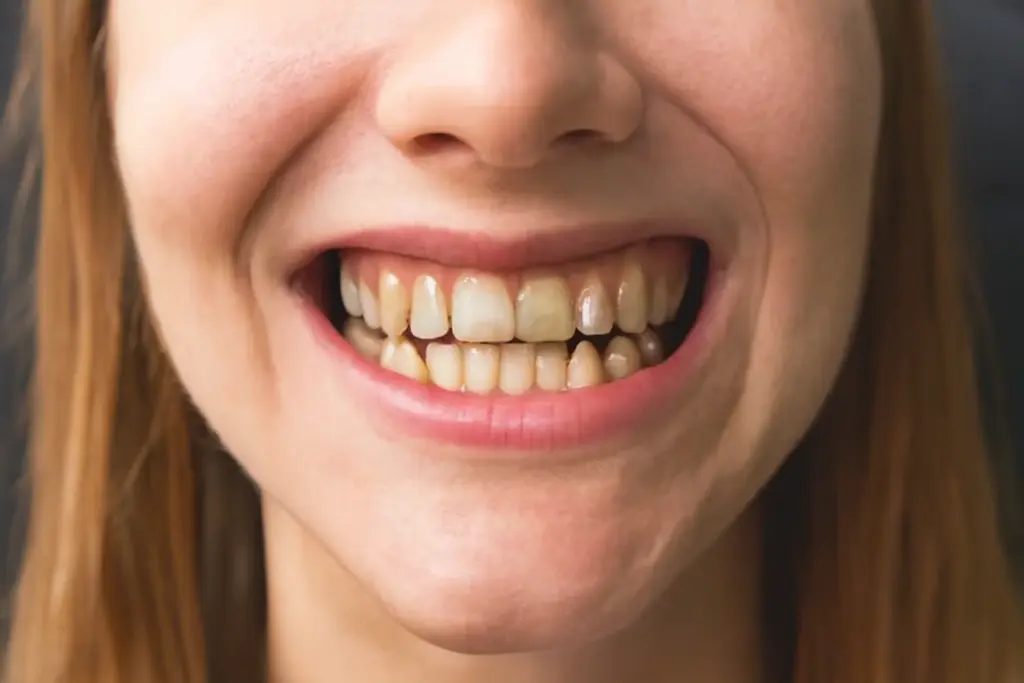
It is very important to know how a D2332 fits in the broader category of dental restorative codes before going deep into its details. The American Dental Association (ADA) gives particular codes to the procedures for them to be uniformly documented. Restorative procedures like D2332 are divided into groups depending on the degree of treatment required and the number of affected surfaces.
- D2330: This dental code is indicative of a single-surface restoration performed on the anterior dentition and is generally associated with small decay or damage limited to one surface.
- D2331: It is a three-surface restoration for anterior teeth, similar to D2332, but that may involve more of the inner areas of the tooth.
- D2332: Dental code for a procedure of two-surface restoration in anterior teeth that usually involves the front and one side of the tooth.
- D2390: This code is utilized when the restoration is done in the posterior region, thus the back teeth, which are mainly used for chewing.
Each of these codes is a means of specifying the extent of the work done and henceforth both the patient and the insurance company will be aware of the treatment carried out.
Indications for D2332 Procedure
D2332 operating methods will most typically be adopted in such examples as:
- Cavities or Decay: In situations where decay has taken hold of two adjacent surfaces of an anterior tooth, it is necessary to restore both surfaces.
- Trauma or Injury: The front teeth suffer the most from trauma and injuries caused by accidents, for instance, breaking and chipping of which the frequently asked questions are, how to restore the tooth’s function and appearance.
- Cosmetic Improvements: Patients may utilize the restoration of D2332 services to solve cosmetic problems of teeth, such as irregular tooth shape, tooth stain, and tooth chip.
- Filling Large Cavities: There could be a situation in which a cavity has spread over two surfaces of a tooth, thus making it impossible to treat it properly by a small restoration like D2330. In such cases, D2332 is perfect for providing a thorough repair.
How the D2332 Procedure Works: Step-by-Step
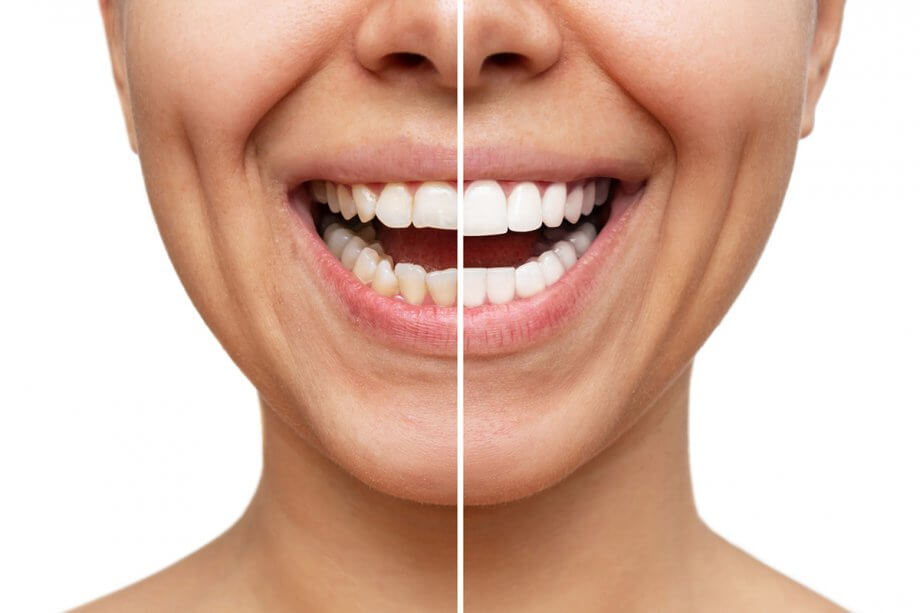
The D2332 operation insert function is vital in fixing not only the work but also the aesthetic value of a part of the teeth. Patients are given an appointment for the following steps during a treatment:
Initial Consultation and Examination
First of all, hold a consultation meeting with your dentist. During this visit, the dentist will examine your teeth to decide the extent of the damage or decay. To ensure the solidity of the tooth structure underneath the surface, X-ray diagnostics may be used.
Tooth Preparation
Local anesthetic will be used by the dentist on the area to be treated in order to numb it and make you comfortable throughout the operation. After that, any decayed or damaged parts of the tooth will be removed. Cleaning of the cavity will be done thoroughly so that there will be no debris or bacteria left.
Etching the Tooth Surface
The following step includes etching the tooth surface with the use of an acid solution. This roughens the surface and therefore the bonding of the composite material to the tooth is firmer.
Applying the Composite Resin
The dental practitioner applies the composite resin material bit by bit, skilfully shaping the material to look like the tooth’s structure. A special light is used to harden each layer of the material. This curing process warms the resin to the right degree, thus giving a strong and durable restoration.
Shaping and Polishing
The dentist will shape the restoration with the help of a dental handpiece after the composite resin has been cured to make sure it is comfortable and looks like a real tooth in your mouth. The restoration is polished to a smooth, shiny finish that matches the natural gloss of your teeth.
Bite Adjustment
Next, the dentist will check your bite to see if the restoration is causing any problems with your natural chewing function. If necessary, final adjustments will be made.
Benefits of D2332 Dental Restoration
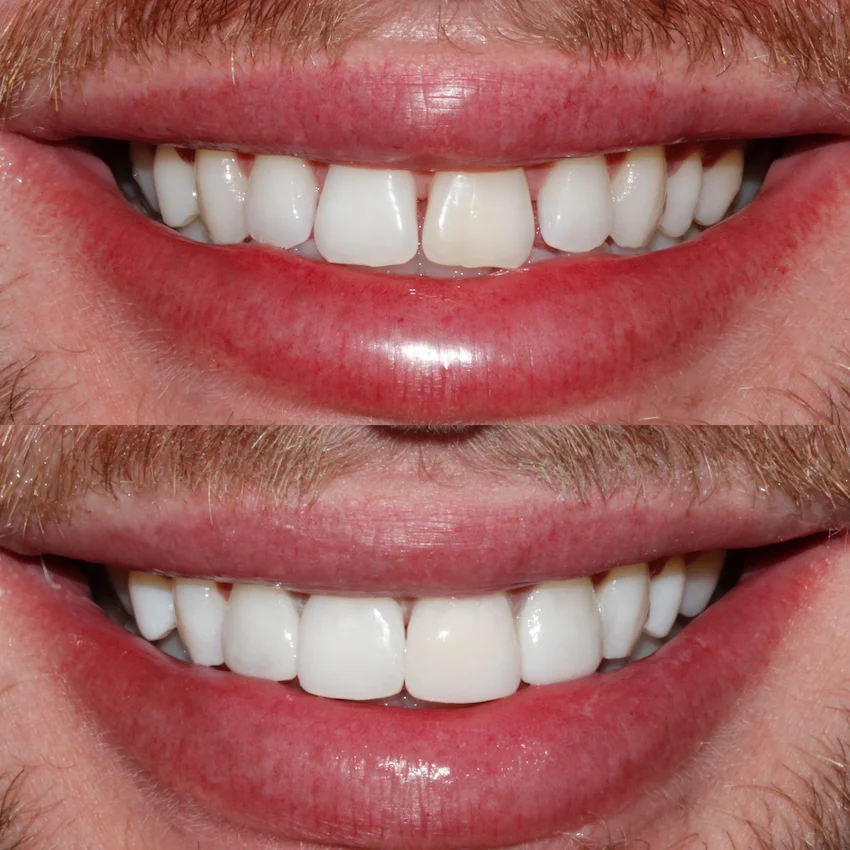
The D2332 operation is a source of many benefits for patients:
- Aesthetic Results: Composite resin is the material of choice for the restoration; therefore, the color of the resin is the same as that of the natural tooth, making it perfectly suitable for the front.
- Preservation of Natural Tooth Structure: The technique is a minimally invasive one, thus, it leaves the majority of the natural tooth intact.
- Durability: Composite resins are stable and durable; thus, they can be used for a long time in restorations if the patient takes good care of them.
- Improved Functionality: The restoration makes the tooth the means of chewing and speaking it was before, thus, the patient’s dental function is improved further.
- Faster Recovery: As it is a non-invasive procedure and the period of rest is very short, the patients can be back to their normal activities soon after the treatment.
Aftercare and Maintenance
The composite restoration in your mouth needs you to make quite some efforts to ensure its long life. The following list provides some suggestions for the maintenance of the results obtained from the D2332 procedure:
- Practice Good Oral Hygiene: Make sure to brush your teeth at least two times a day and floss on a daily basis so that you will not get decay or gum disease around the restoration.
- Stay Away from Hard or Sticky Foods: Do not chew on hard things like ice or hard candies because the composite material may crack or be worn out because of the hard thing.
- Regular Check-Ups: Make sure that you go along with your dentist’s regular check-ups so that the restorations can be easily checked for any issues and kept in good condition.
Conclusion: An Investment in a Healthy, Confident Smile

D2332 dental code is more than just a simple billing entry. It’s a technically skillful, beauty and health-oriented, subtle, at the most decayed front tooth directly. As a result of choosing this tooth-color restoration, you are making a significant step in your treatment, which guarantees perfect looks, keeps the natural tooth structure intact, and restores oral health.
So, if your dentist recommends a D2332 procedure, you can do it with the confidence that you are receiving contemporary, patient-focused care, which will lead to a safe and successful outcome.
Sources
- American Dental Association. (2021). Restorative Dentistry: Composite Resins. Retrieved from https://www.ada.org/
- McDonald, R. E., & Avery, D. R. (2016). Dentistry for the Child and Adolescent. Elsevier Health Sciences.
- American Academy of Cosmetic Dentistry. (2020). Cosmetic Dentistry: Restorative and Aesthetic Procedures. Retrieved from https://www.aacd.com/
- DeRouen, T. A., & Soderholm, D. (2018). Dental Restorations and Materials. Wiley.
Frequently Asked Questions About D2332 Dental Restoration
A D2332 dental restoration refers to a two-surface composite restoration applied to anterior teeth (front teeth) to repair cavities or damage. The procedure involves using composite resin material to restore the function and appearance of the tooth, ensuring it blends naturally with the surrounding teeth.
Composite resin is favored for D2332 restorations due to its ability to mimic the natural color of teeth, providing an aesthetically pleasing result. It also offers durability, versatility, and strong bonding properties, making it an ideal material for anterior teeth restorations.
With proper care, a D2332 restoration can last anywhere from 5 to 10 years. Factors such as oral hygiene, biting habits, and the presence of bruxism (teeth grinding) can affect the lifespan of the restoration. Regular check-ups with your dentist can help ensure its longevity.
The D2332 procedure is generally not painful as it is performed under local anesthesia, ensuring that the treatment area is numb. After the procedure, some patients may experience mild sensitivity, but this usually resolves within a few days.
To maintain your D2332 restoration, it is essential to follow good oral hygiene practices. Brush your teeth twice a day, floss regularly, and avoid hard or sticky foods that can damage the composite resin. Be sure to visit your dentist regularly for check-ups to ensure the restoration remains in good condition.

