


What the D2331 Dental Code Means
The D2331 dental code is used for resin-based composite restoration of two surfaces on an anterior tooth. This kind of dental treatment involves the restoration of the tooth structures that have been lost due to decay, cracks, or previous defective restorations. The restoration is made with the help of composite materials of the color that matches the natural enamel and that can support oral function for a long time. The code only refers to front teeth, i.e., incisors and canines of both jaws.
Composite restorations are the dentist’s method of fixing a tooth when a restoration that is strong and aesthetically pleasing, and that will blend with the natural smile, is required. As the material is directly bonded to the enamel and dentin, the tooth structure that is still there is actually strengthened. By means of this less invasive operation, your dentist can keep the healthy tissue while making a restoration that will be suitable for chewing, oral hygiene, and long-term stability.
When Dentists Use the D2331 Procedure
Dentists use the D2331 method when you have decay that has spread to two surfaces of a front tooth. The surfaces may be the mesial, distal, facial, or lingual ones. When a restoration is needed for two surfaces, the risk of the tooth getting structurally weakened is higher and a composite material can reinforce the tooth effectively. The filling closes the cavity, restores contour, and shields the pulp from cold or hot temperatures and bacteria.
The D2331 code is also used by dentists for two-surface dental fractures. Minor trauma, functional stress, and enamel defects may have caused damage that now needs to be fixed with a composite. The D2331 operation is an aesthetic solution that keeps the natural look of your smile and at the same time, prevents the structural defect from further extension.
How Dentists Perform the D2331 Composite Restoration

In order to perform a D2331 treatment correctly and painlessly, dentists adhere to a sequential clinical plan. The first step in their plan is the visual inspection of the tooth, X-rays, and the use of decay-measuring instruments. The dentist uses this examination to make the decision that the best form of treatment is a composite restoration. In case the tooth has a cavity suitable for a D2331, the dentist prepares the tooth by removing the harmful tissue and shaping the surfaces to facilitate bonding.
Once the tooth is prepared, the dentist separates the treatment area to keep it clean and dry. The doctor then works on the enamel and dentin surfaces with an etching product and uses a bonding system. The composite substance is added layer by layer, each layer is shaped and then hardened with a dental light. The strength and stability of the restoration are ensured by the light-cure process. The last stages include shaping, polishing, and bite checking to ensure that the function is comfortable and the appearance is natural.
The Critical Importance of Treating Cavities in Front Teeth
A cavity or carious lesion is a bacterial infection that eats up tooth structure by demineralizing. If this happens to a front tooth, a timely response with a D2331 procedure will bring it lots of benefits.
- Preserves Healthy Tooth Structure: Early intervention with a conservative D2331 filling removes only the decayed portion of the tooth. This method ensures the maximum retention of your healthy, natural enamel and dentin, which is the basic aim of modern dentistry.
- Prevents Further Damage and Infection: A cavity that is left without treatment will not get better on its own; it will gradually enlarge. What was initially a single-surface small cavity can develop into the pulp of the tooth, causing the need for complicated and expensive root canal therapy and crown.
- Maintains Aesthetic Appearance and Confidence: Front teeth are not only important for your smile, but also for your speech. D2331 filling involves the use of composite resin, which your dentist expertly matches in color with your natural tooth. The restoration fully integrates with your smile, hence it is almost invisible while the tooth is back to its original form and strength.
The D2331 Procedure: A Step-by-Step Guide to Your Safe and Comfortable Experience
One of the methods of calming your nerves is understanding beforehand what will take place during the dental intervention. D2331 resin-based composite restoration is a straightforward treatment that is generally done in one visit, and your comfort and safety are the first priority.
- Numbing for Comfort: The dentist initially puts a topical anesthetic on your gum tissue in order to reduce any sensation. After that, a local anesthetic is given to make the tooth and the area around it completely numb. You will be at ease and free of any unpleasant feeling during the whole operation.
- Precise Removal of Decay: In order to remove the decayed and weakened parts of the tooth very accurately and in detail, the dentist will use both high-speed and slow-speed dental equipment. This step gets rid of the bacterial infection and leaves a clean, strong base suitable for the new filling.
- Tooth Preparation and Bonding: The dentist prepares the tooth surface and places a bonding agent or dental adhesive. This agent is capable of establishing a very strong and permanent micromechanical bond with composite resin material and the tiny structures of the natural tooth. The bond not only strengthens the tooth structure but also acts as a barrier that stops the next leakage and decay.
- Artistic Layering of Composite Resin: The dentist places the tooth-colored composite resin layer on your tooth one by one. After that, he very intricately sculpts it so that the tooth’s natural anatomy is restored. Each layer is hardened by a special blue light. This makes the restoration durable and stable.
- Final Shaping and Polishing: Your dentist will cut back and polish the resin once the masticatory filling has been set to a bright shine. With this last operation, the restoration will look like a real tooth and will be comfortable in your mouth and the material will have the same texture and gloss as your natural teeth.
Why a Resin Composite Filling is the Premier Choice for Front Teeth
The D2331 method involves the use of a resin-based composite, which is the preferred material for front teeth, for the following major reasons.
- Superior Aesthetics: Composite resin has very similar optical features to natural tooth enamel. The dentist can therefore blend several shades so the filling will be of the exact color, translucency, and vitality of the tooth, providing a perfect result in terms of aesthetics.
- Direct Bonding Strength: The bonding step is the one that chemically connects the filling to the tooth. The bonding operation can even be a source of reinforcement for the remaining tooth structure; thus, it overall becomes stronger and more resistant to fractures.
- Minimally Invasive Approach: Compared to other materials, composite resin is less demanding in terms of healthy tooth structure that needs to be removed. The dentist only removes the decayed part and thus the preparation is more conservative, which means that the long-term health of the tooth is retained.
Benefits of the D2331 Resin-Based Composite Procedure
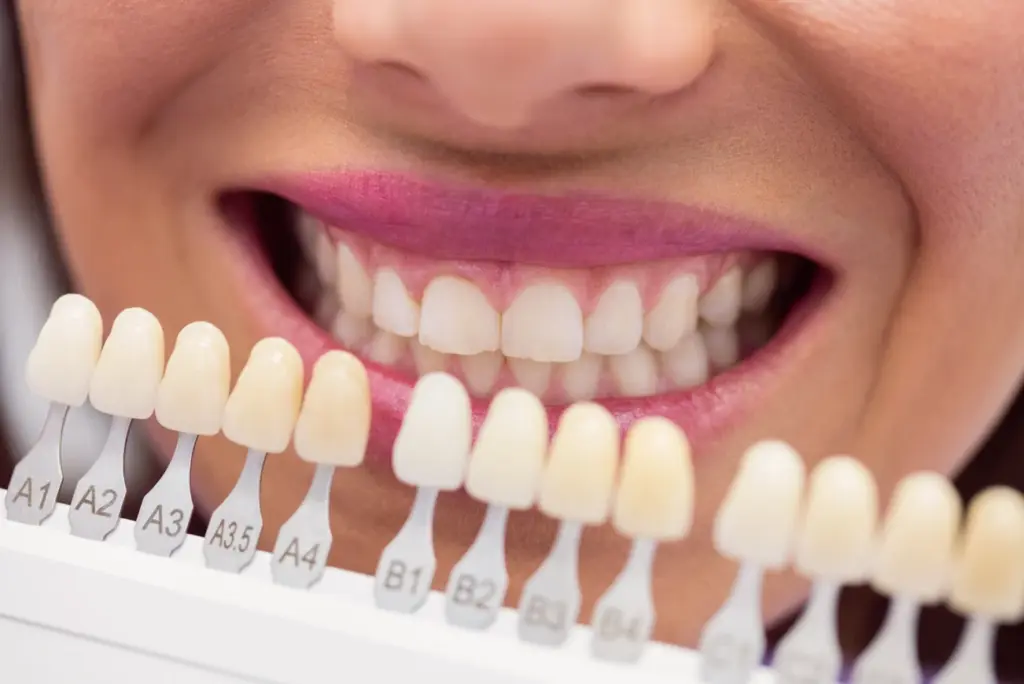
One of the strongest points of composite resin is that it is very close to natural enamel in terms of color and translucency. This makes the D2331 procedure the best choice for teeth that are in the smile zone. The restoration smoothly blends with the neighboring teeth, which keeps your facial symmetry and confidence intact. Composite is also not easily stained if you practice good oral hygiene and go for regular professional cleanings.
Apart from the good looks, composite materials contribute to the tooth’s health as they become part of the natural structure. This way, the removal of healthy enamel becomes less extensive and your dentist can preserve a conservative approach. What is more, the adhesive nature of the composite facilitates the distribution of the chewing force and thus the prognosis of the restored tooth becomes better in the long run.
Risks and Safety Considerations
Before doing the operation, your dentist will check your oral health condition to be sure that the restoration is safe and will lead to predictable positive results. Sometimes, sensitivity may be experienced if the decay is very close to the pulp. However, the dentist uses the right materials to lessen this reaction. You will be given instructions on how to observe the tooth after the treatment and when to come for a check-up again.
It is very important that composite restorations are done under very strict moisture control. Any contamination of saliva may weaken the bond strength. To ensure that your result is not affected, the dentist employs isolation methods like the use of the rubber dam or stabilizing the cotton rolls. Such measures promote the best possible adhesion and lessen the chances of post-operative problems.
A Quick List: Signs You May Need a D2331 Procedure
- You feel sensitivity when eating or drinking on a front tooth
- You observe discoloration or a visible cavity on two surfaces
- Your tooth broke along more than one edge
- Your dentist finds decay or structural weakness on two surfaces
- If a previous restoration failed or shows leakage
Treatment Steps Overview: D2331 Composite Workflow
Below is a simplified table summarizing the key phases of the D2331 restoration:
| Treatment Step | Description |
| Diagnosis | The dentist evaluates decay or fracture on two surfaces |
| Preparation | Removal of infected tissue and shaping for bonding |
| Isolation | Protection of the tooth from moisture contamination |
| Bonding | Placement of etch and adhesive agents |
| Composite Placement | Layering and forming of resin material |
| Curing | Light activation to harden the composite |
| Finishing | Contouring and polishing for optimal aesthetics |
Aftercare and Longevity of a D2331 Restoration
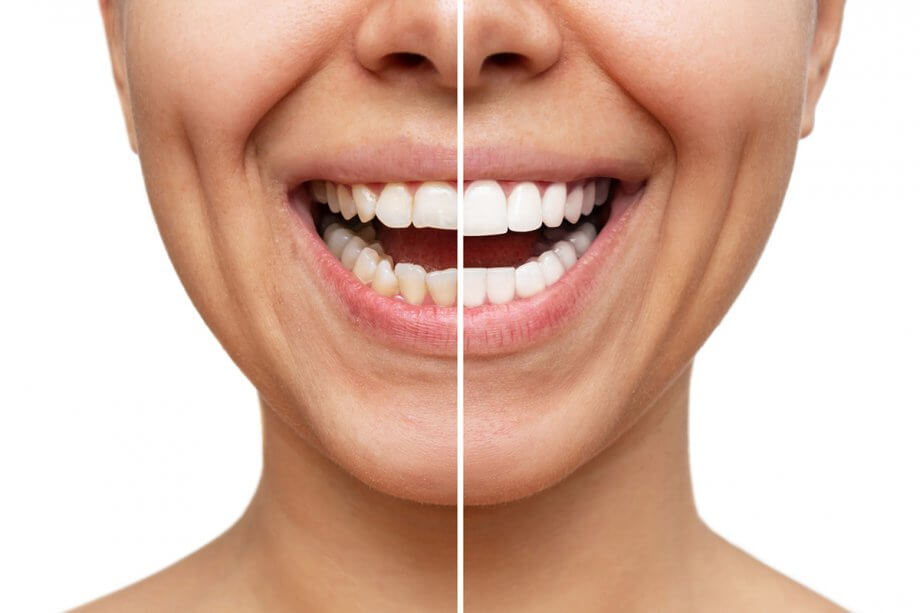
If you want your composite restoration to be lasting, proper oral hygiene is a must. Your dentist is sure to give you advice on brushing, flossing, and regular cleanings that will support you in maintaining the results for a long time. The composite material is very lovely with daily and professional care. This reduces the possibilities of recurrent caries and gives the tooth a natural look.
The way you eat and your lifestyle will also determine how long the restoration will be. The safest means to keep your treatment is to avoid putting too much force on the front teeth and, at the same time, limit the consumption of highly pigmented foods. If you suffer from bruxism, your dentist may recommend that you wear a night guard. All these measures will be a great help to your restoration to stay intact for the coming years.
Cost Expectations for D2331 Composite Restorations
The price of a D2331 treatment is not fixed because the needs of the patients are different. In general, insurance coverage includes composite procedures on anterior teeth, but the exact reimbursement is your plan. Based on the location of the tooth, the difficulty of the surfaces, and the diagnostic procedures required, your dentist will give you a detailed estimate.
Composite restorations are a great value for money as they go hand in hand with durability and natural aesthetics. The majority of patients opt for composites because of its power to imitate natural enamel whilst allowing safe and conservative dental care. Your dentist will talk through all the possibilities, which in turn, will help you to make the right decision that suits your goals.
References
American Dental Association. (2024). CDT 2024: Dental procedure codes. ADA Publishing.
Summitt, J. B., Robbins, J. W., & Schwartz, R. S. (2020). Fundamentals of operative dentistry: A contemporary approach. Quintessence Publishing.
Sturdevant, C. M. (2019). Sturdevant’s art and science of operative dentistry. Elsevier.
Van Meerbeek, B., Peumans, M., Poitevin, A., Mine, A., Van Ende, A., Neves, A., & De Munck, J. (2020). Bonding to enamel and dentin. Operative Dentistry, 45(2), 133–148.
Opdam, N. J., & Loomans, B. A. (2021). Clinical longevity of composite restorations. Journal of Dentistry, 112, 103735.
Frequently Asked Questions About the D2331 Dental Code
The D2331 dental code describes a two-surface composite restoration for anterior teeth. This guide explains when dentists use it, how the procedure works, and what patients can expect during treatment.
D2331 refers to a resin-based composite restoration placed on two surfaces of a front tooth. Learn its indications, clinical steps, benefits, and important aftercare details.
This article explains the D2331 dental code, which covers two-surface composite fillings on anterior teeth. Discover how the procedure is performed and how it supports long-term oral health.
D2331 identifies a composite restoration used to repair two surfaces of an anterior tooth. Explore diagnosis, treatment workflow, safety considerations, and cost expectations.
Dentists use the D2331 dental code for restoring two surfaces of a front tooth with resin composite. This guide details the procedure, clinical indications, and patient aftercare recommendations.

