


D2393: Demystifying Your Dental Treatment Plan
Dental Code D2393 in dentistry refers to a very specific entry in the American Dental Association‘s Current Dental Terminology manual. The ADA itself points to this code as a “resin-based composite crown—permanent.” So, a dental professional would use this fixed restorative device to fix a single-term damaged posterior tooth, mainly your molars. In fact, this operation not only anatomically reconstructs the tooth of your original form but also restores full masticatory function and ensures the long-term structural strength of the tooth. Knowing what the D2393 designation is all about gives you the ability to freely make oral health decisions when interacting with your dentist. This content unveils all the facts about the trusted and effective treatment that is behind the flagship dental crown.
A Detailed Look at the D2393 Crown: Materials and Composition
Together with your dentist, you can have a resin-based composite crown fabricated, especially to be the tooth-colored restoration that covers the entire clinical crown of your tooth. The manufacturers of dental materials have produced these cutting-edge materials out of a durable polymer matrix, which is usually either Bis-GMA or UDMA, and it is this matrix that provides the restoration’s solid base. At the same time, the matrix is very heavily loaded with inorganic particles (silica, quartz, or zirconia, for example) that give the composite its outstanding strength and good wear resistance.
Most of the time, the great majority of the material’s weight (70-80%) is taken up by the high filler portion, which is directly responsible for the crowned part of the tooth being able to resist the very strong chewing forces in the molar areas. To the best of the composite’s filler particles, a silane coupling agent is also attached, which is responsible for a very strong and durable chemical link between the filler particles and the resin matrix. Next, your dentist applies a dental adhesive system specifically designed for this purpose to make the finished crown bond both micromechanically and chemically with the tooth enamel and dentin that have been prepared. The end result of such material engineering is a restoration that combines extraordinary strength with a high level of aesthetic quality.
The Primary Clinical Applications for a D2393 Crown
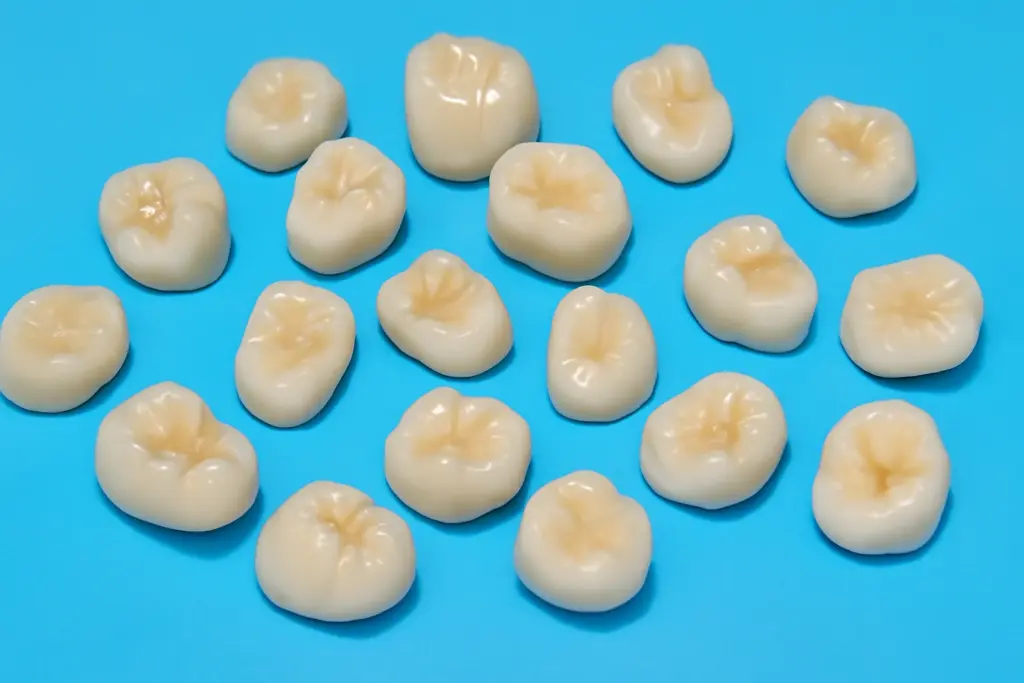
A dentist can recommend a D2393 crown as the best option to deal with those clinical problems that cause the health and the function of a tooth to be severely affected.
Restoring Extensive Carious Lesions: When a cavity has become too large to be filled in a standard way, a resin-based composite crown is the most appropriate entity for providing the necessary strength and coverage. It is this crown that not only protects but also allows the remaining structure to be strengthened by fully enveloping it in the tooth, thus preventing any further development of caries or even cracks.
Managing Cusp Fractures: Generally, traumas or large, worn-out fillings may lead to broken cusps of the molars, and such molars need a fan-fold full-coverage crown to not only get comprehensive protection but also to reinforce them. The D2393 crown redistributes chewing forces evenly across the tooth, thus it helps to stop further damage.
Replacing Large, Failed Amalgam Restorations: Amalgam fillings, especially when they have been there for a long time and are large, may make the tooth structure weak over time. A D2393 crown used as a replacement not only strengthens the tooth but also it gets rid of the risk of cracking occurring at the edges of the filling from where the tooth has been weakened.
Completing Endodontic Therapy: The ones that have been through root canal treatment may be the most brittle teeth and thus cracked or broken easily. So a resin-based composite crown can do the right thing, i.e., sealing and long-term protection, for these teeth to live.
Correcting Developmental Defects: Teeth that have developmental issues such as amelogenesis imperfecta or dentinogenesis imperfecta could be restored in form and function through a D2393 crown, besides being given a lasting and aesthetically pleasing solution to the dental problems.
The Comprehensive D2393 Procedure: A Two-Visit Journey
The resin-based composite crown is a detailed, two-appointment process that prioritizes the patient’s comfort and the restoration’s durability.
First Visit: Diagnosis, Preparation, and Impressions
To start with, the dentist performs a detailed examination of the teeth along with the necessary dental radiographs to confirm that the tooth is fit for a crown and doesn’t need any other treatment first. To keep the experience painless, the dentist will numb the tooth as well as the surrounding area completely by injecting a local anesthetic. Your dentist will use both high-speed and low-speed dental handpieces for a precise tooth reshaping. They will remove all the decay and create a specific geometry that gives retention and resistance form for the new crown. The dentist will make sure the tooth is prepared in a very conservative way, thus, they will save as much healthy tooth structure as possible—a vital feature of resin-based crowns. Next, your dentist will either use polyvinyl siloxane material or a digital intraoral scanner to take a very precise impression of the prepared tooth. This accurate impression or digital file is like the map that the dental laboratory will follow to make your crown fit only you. Before going, your dentist will make and glue a temporary crown that fits well. The temporary crown has three functions: it protects the prepared dentin from sensitivity, retains the correct spacing between the teeth, and allows you to eat and smile normally.
The Dental Laboratory Phase
While you are not there, a qualified dental technician makes your permanent crown. They use the model made from your impression or the digital file as a guide to layer and shape the resin-based composite material in the most natural way to replicate the anatomy of a healthy molar. After that, they bake the material in a special, very bright light-curing unit that makes the material much stronger and more wear-resistant than if it were cured inside the mouth. Finally, the technician brings the crown to a very smooth and shiny finish that is resistant to plaque accumulation and imitates the luster of natural tooth enamel.
Second Visit: Permanent Cementation and Occlusal Adjustment
Here, your dentist will take off the temporary crown gently, and after that, the prepared tooth will be thoroughly cleaned. They will then put the permanent crown on for fit checking, looking at the marginal fit, the proper contact with neighboring teeth, and the natural look. Your dentist makes any necessary minor changes at this stage. After that, they isolate the tooth to clean and dry it, put the dental adhesive inside the crown, and press it firmly onto your tooth. With any excess cement removed, your dentist will use a curing light to dry the adhesive, which binds the two surfaces together very strongly. The last, but very important, step is occlusal adjustment. Your dentist will have you bite down on articulating paper to see if there are any high points on the crown. Next, they will accurately trim and smooth out these high spots. This ensures your bite is perfectly balanced; thus, there will be no extra force on the crown and the teeth around it.
Comparative Analysis: D2393 Crowns vs. Other Crown Modalities
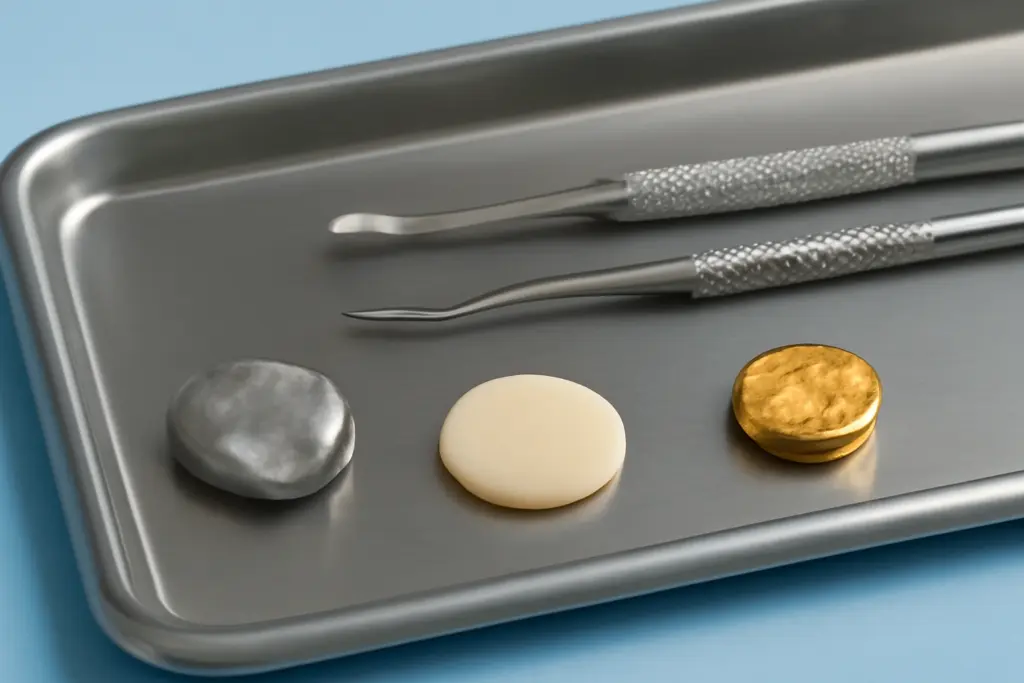
Knowing how resin-based composite crowns stack up against other choices makes it clear why a dentist would forge this particular path.
Resin-based composite crowns (D2393) are often compared with non-resin-based restorations, which helps one understand the differences and the pros and cons of each.
D2393 Resin-Based Composite Crowns are the most fracture-resistant because of the bond to the tooth, thus they become the tooth’s reinforcing shell. Aesthetically, their quality is impeccable since the final result is very similar to the natural tooth in both color and texture. Minimal preparation is involved as the tooth is basically conserved. However, they can be worn for a long period; therefore few years of modern composite might not resist this drawback perfectly, although it has improved considerably.
Porcelain-Fused-to-Metal (PFM) Crowns are the ones that have backed their clinical track record of success and strength over the years, thanks to the metal skeleton. The porcelain outer layer makes the metal visually attractive. Major disadvantages accompanying this technology are the need for a more aggressive tooth reduction to fit the two layers and the metal margin at the gumline becoming visible as the gums recede with time.
All-Ceramic / Zirconia Crowns are made to meet the highest expectations in terms of aesthetics. The light scattering and absorption properties are of high quality in this case, just as the color can be matched perfectly. Also, the two materials used for them – Zirconia or Lithium Disilicate are both extremely strong, thus the crowns can be placed on either anterior or posterior teeth. The only drawback is they sometimes require the same reduction of every tooth face (which can also be more than what is needed for a composite crown).
Full Metal Crowns (Gold or Base Metal) are a type of crown that can resist any kind of wear and thus be functional for a very long time period, for the most part, several decades. The condition that they need less healthy tooth structure is removed. There is one big limitation, which is the metal color, which is why they are not the most attractive for the teeth that are exposed during smiling, though they still remain a good option for the second molars.
The Significant Advantages of Choosing a D2393 Crown
Choosing a resin-based composite crown comes with a lot of documented advantages, not only for your immediate oral health but also for its long-term aspect.
Monolithic, Bonded Strength: A resin-based composite crown is a monolithic structure by nature and therefore does not have a veneering material that can be detached by chipping. Noteworthy, its adhesive bonding method, by the way, is the only one that can uniquely support the tooth structure left, thus the fracture resistance of the tooth can be increased by more than 50% as a result of this. This transformation of the tooth and crown into one single, strong functional unit is what is called bonded integration.
Truly Conservative Tooth Preparation: More notably, the bonding process is very conservative in terms of the preparation. A dentist can now use the enamel and dentin that he has removed for the laminate and not for the restoration, as he can preserve more of the tooth structure. Enamel and dentin are always the main pillars of the tooth, and the dentist can, by the described method, take direct steps to the second problem that the first word presents: tooth prognosis.
Excellent Repairability: Dental repair of minor denture chips or wear that is long-term is, of course, easy and can be accomplished quickly, in the dentist’s chair. The technique they employ is to simply add composite material to the old one present in the mouth. This procedure usually requires no anesthetic; the cost and the time of a new crown replacement are almost avoided, a big disadvantage of porcelain or ceramic crowns, which is a significant advantage of resin restorations.
Superior Aesthetic Integration: The composite resin, a dental material, is very close to the natural enamel of the tooth as far as its optical properties are concerned. One of the matching features between the two is the level of light transmission and opalescence. The crown with the closest color to the one in your mouth blends perfectly with the neighboring natural teeth, so it is visualized as if the crown is not even there.
Thermal Insulation: Composites are good thermal insulators by nature. If consumed food and drinks are too hot or too cold, the enamel-covered dentine of the tooth prep inside the dental pulp surface will be protected by composite resins, and the nerve will not be affected by sudden temperature changes. This helps to reduce addiction to the post-operative pain relief and, at the same time, provides patient satisfaction.
Ensuring Longevity: A Proactive Care Guide for Your D2393 Crown
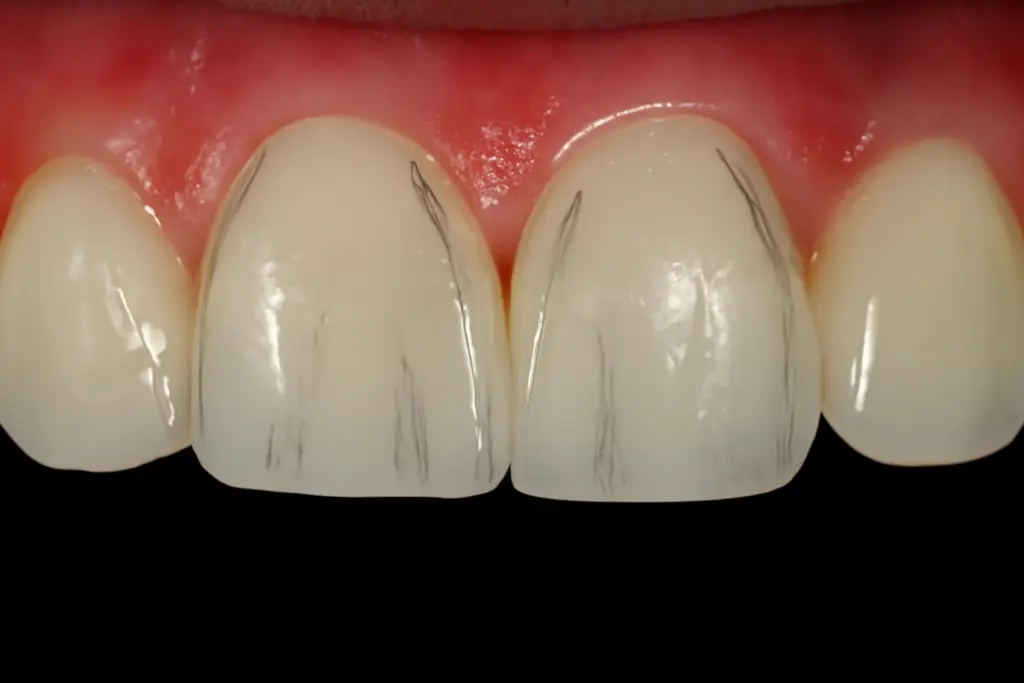
If properly cared for and maintained, the resin-based composite crown will serve you for many years, mostly decades, reliably.
Implement Meticulous Oral Hygiene
Clean your teeth twice a day with the help of a non-abrasive fluoride toothpaste and a soft-bristle toothbrush. Make sure to brush the area where the crown meets the gum line, brushing this vital margin thoroughly by directing your brush at it. At least once a day, use dental floss and do it carefully, lowering the floss down the side of the crown and using a gentle rocking movement so that you do not snap the floss, which can harm the crown.
Adopt Crown-Protective Habits
Never use your teeth as tools to open packages or bite your fingernails. We strongly advise you against chewing on very hard things like ice, popcorn kernels, or hard candies because, in doing so, you can cause wearing or breaking of any kind of dental restoration. If you clench or grind your teeth at night, then most probably your dentist will make you a custom-fitted nightguard. The appliance, which is your very important investment, will shield not only your crown but also your natural teeth from heavy forces.
Keep up with Frequent Professional Check-Ups:
Going to your dental check-ups and professional cleaning appointments every six months is essential for the well-being of your crown. In these visits, apart from the hygienist, the dentist will carefully check the fitting of the margins of your crown, inspect your bite, and determine the health of the supporting gum tissue. Your dental hygienist will employ the right tools to remove plaque from the crown, which makes the crown clean and shiny and thus, free from bacterial buildup.
Conclusion: An Investment in Durable, Aesthetic Oral Health
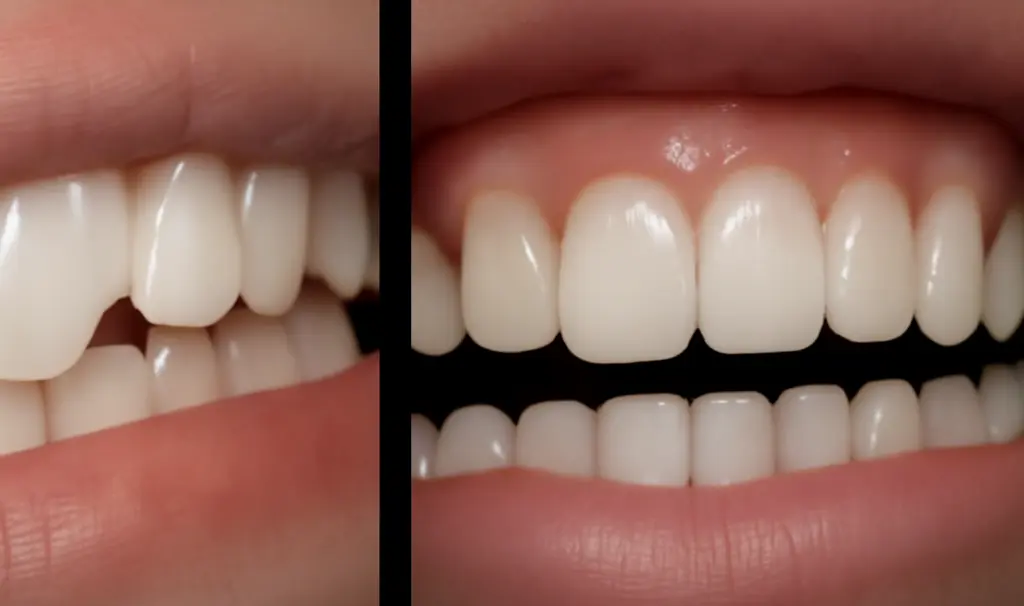
Dental Code D2393 is a contemporary, scientifically supported, and highly efficient method of fixing the problem of the molars or premolars’ lost structure. The resin-based composite crown operation is a very predictable way of saving the patient’s natural tooth while at the same time it fully restoring the tooth’s strength, function, and esthetics. This solution brilliantly combines a minimal intervention concept with the great benefits of adhesive dentistry and advanced composite materials. By accepting this treatment, you are actually making a wise, long-term, oral health, comfort of mastication, and natural-looking smile investment. We strongly advise you to talk to your reliable dental care provider should you have any concerns about the D2393 crown’s indications, procedure, or benefits.
Sources
- American Dental Association. (2023). Code on Dental Procedures and Nomenclature (CDT). ADA Catalog.
- Fasbinder, D. J. (2010). Materials for Chairside CAD/CAM Restorations. Compendium of Continuing Education in Dentistry, 31(9), 702–709.
- Manhart, J., Chen, H., Hamm, G., & Hickel, R. (2004). Buonocore Memorial Lecture. Review of the clinical survival of direct and indirect restorations in posterior teeth of the permanent dentition. Operative Dentistry, 29(5), 481–508.
- Blatz, M. B., Sadan, A., & Kern, M. (2003). Resin-ceramic bonding: a review of the literature. Journal of Prosthetic Dentistry, 89(3), 268–274.
- Mormann, W. H., & Stawarczyk, B. (2017). CAD/CAM composite resin restorations: a review of the literature. Journal of Esthetic and Restorative Dentistry, 29(5), 301–308.
- Gracis, S., Thompson, V. P., Ferencz, J. L., Silva, N. R., & Bonfante, E. A. (2015). A new classification system for all-ceramic and ceramic-like restorative materials. International Journal of Prosthodontics, 28(3), 227–235.
Frequently Asked Questions About Dental Code D2393
Dental Code D2393 refers to a three-surface composite resin filling. This code is used when a dentist performs a restoration involving composite resin on three surfaces of a tooth, commonly for posterior teeth such as molars and premolars. This type of filling is ideal for treating teeth with moderate decay that affect more than one surface, providing both functional restoration and aesthetic appeal.
D2393 is used for a filling that covers three surfaces of a tooth. It is generally applied when there is significant decay on a tooth, particularly in the back molars or premolars. Composite resin is chosen because it blends naturally with the surrounding tooth color, making it the ideal choice for visible teeth. A three-surface filling allows the dentist to restore the tooth to its proper shape and function while maintaining a natural appearance.
The D2393 code is primarily used for posterior teeth, such as molars and premolars, which often require a filling due to decay or damage. These teeth are used for chewing and experience more pressure compared to anterior teeth, making it essential to restore them with durable materials like composite resin. D2393 is appropriate when decay affects multiple surfaces of the tooth.
A D2393 composite filling typically lasts between 5 to 10 years, depending on factors such as the location of the filling, the patient’s oral hygiene habits, and the size of the restoration. Molars, which endure more pressure from chewing, may experience more wear over time, reducing the longevity of the filling. With good care, however, composite fillings can provide durable, long-lasting results.
The primary material used in a D2393 filling is composite resin, which is a blend of plastic and glass or quartz particles. The resin is chosen because it can be molded to the tooth’s shape and then hardened using a special light. The resin material is color-matched to the patient’s natural tooth shade, offering an aesthetic solution that is both functional and discreet.

