


The D2150 dental code outlines the steps of a direct pulp cap operation that shields the dental pulp after an exposure and guarantees the vitality of the tooth in the long run. It is used by clinicians when pulp exposure occurs during the removal of caries or as a result of minor mechanical trauma, and the pulp is still healthy enough to give a positive response to the treatment. This method assists the tooth in retaining its natural function, stops the entrance of infection, and lessens the chances of the need for complicated therapies such as root canal treatment. Knowledge of this code aids patients and clinicians in having better communication regarding the treatment and results in the long run.
The D2150 operation is a pulp support method that involves the creation of a protective layer between the pulp that is exposed and the mouth. The layer is a kind of shield for the pulp against bacteria, irritants, and temperature variations. So, the injured tissue has an opportunity to heal, become more resilient, and keep its sensing and supporting abilities for a longer time. Dentists carry out the procedure with the right evaluation and clinical judgment in order to be certain that the pulp is still living and responsive. If done in time, the D2150 method provides a rescue plan for natural teeth preservation in a safe and foreseeable way in cases where pulp exposure is followed by complications.
What D2150 Code Means
The D2150 dental code is the indication when a dentist applies a biocompatible medicament directly to the pulp that is exposed with the goal of healing and creating a barrier that will support the continued vitality. The material used in most cases is calcium hydroxide, mineral trioxide aggregate, or bioceramic materials that are able to support dentin formation and pulp recovery. These materials help regeneration and invite the pulp to form a layer of reparative dentin. This biological reaction provides the tooth with a higher level of protection for the future and lessens the possibility of bacterial penetration.
Care professionals employ the D2150 code when the pulp tissue is still healthy, free from infection, and has the capacity for recovery. The determination is made based on the clinic and radiograph findings, which show a good prognosis. This operation is a step towards leaving no turning point from reversible pulpitis to irreversible pulp inflammation that frequently results in pain, swelling, and loss of vitality. By adhering to the D2150 regimen, patients get a conservative treatment plan, which is beneficial in terms of keeping the tooth structure intact and avoiding more invasive procedures.
When Dentists Use the D2150 Dental Code
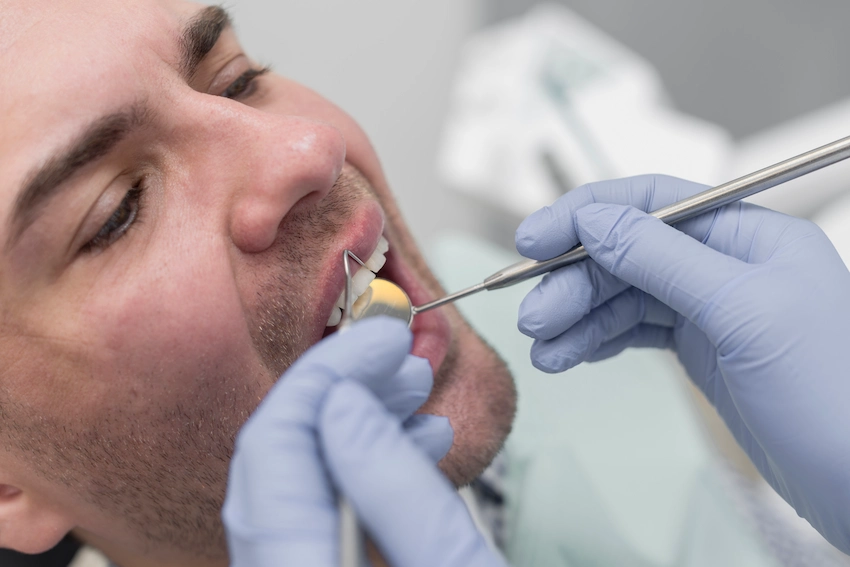
The D2150 code is used by dentists in situations where the pulp is directly exposed during the removal of caries or when a tooth is being prepared for restoration. The exposure might also be a result of minor mechanical traumas, such as the small side of an instrument coming in contact with the tooth or accidental enamel removal. No matter what the origin is, the treatment of D2150 needs healthy pulp that reacts normally when tested thermally and does not show any signs of infection. Hence, it is a method for the management of newly exposed pulp while still having the ability to trust the recovery of the tooth.
The clinical decision to perform a D2150 intervention involves checking symptoms, looking at radiographs, and assessing pulp responses. The dentists make a thorough examination of the pulp to confirm that the exposure is minimal, and the tissue has a decent color and is moist. If the pulp gives a good reaction to the test and the dentist sees no signs of irreversible damage, D2150 is the perfect solution to be chosen. The operation is aimed at the preservation of the natural tooth, the comfort of the patient, and oral health in the long run by keeping the vitality of pulp tissue.
How Does the D2150 Direct Pulp Cap Procedure Work?
In the first place, the D2150 technique is performed under local anesthesia so that the patient does not feel any pain. The dental surgeon removes all the decayed parts, and in doing so, he makes sure that the pulp is not irritated by cold or heat or that it is not handled roughly. After that, the dentist immediately examines the pulp if it is exposed, and for cleaning, he uses sterile and gentle methods. The next step in the operation is the placement of a biocompatible medicament directly onto the dental pulp.
One such agent provides antibacterial protection, supports tissue repair, and, additionally, it is the starting point for new dentin formation. Then the dentist fills the space with a restoration that isolates the pulp and protects it from a new infection. The sealing stage is very significant as it allows the area to be bacteria-free and also stabilizes the medicament. Composite resin or glass ionomer restorations are both capable of providing long-term protection as well as strong adhesion to the dentin around them. When the last restoration is done properly, it keeps tooth structure intact and at the same time, full function and stability are maintained. Normally, patients feel comfortable right after treatment and thus they can continue with their usual activities, only slightly restricted.
Why the D2150 Procedure Is Important for Tooth Preservation?
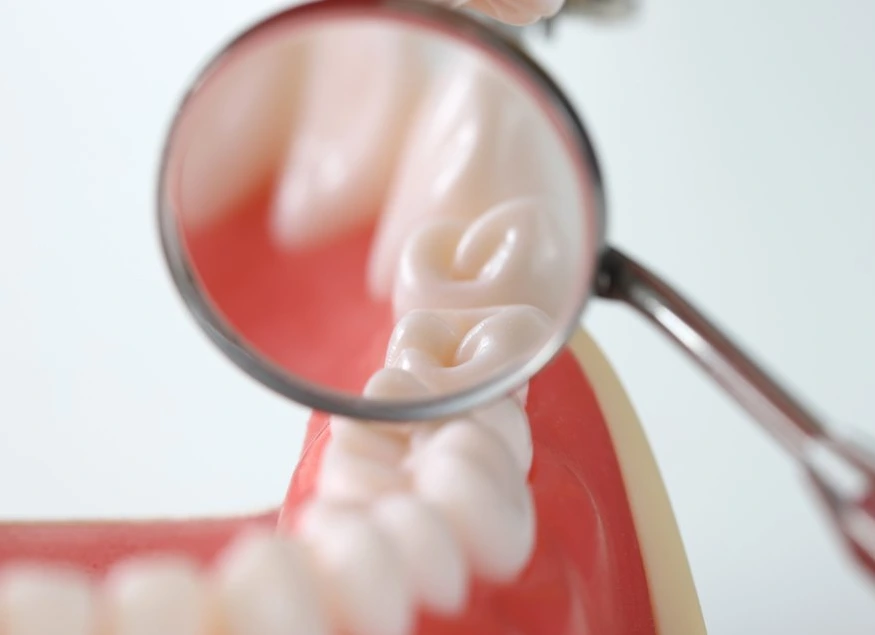
Continued natural pulp has a lifetime value of benefits as vital teeth stay stronger and are less likely to break. The pulp is the place where blood vessels, nerve tissue, and cells are found, which help to keep the tooth intact. When the pulp is the one that suffered from an exposure event, it is the same one that, after that, continues to feed the dentin and thus, it keeps the tooth’s natural structure. The D2150 treatment is the one that actually helps to keep that living tissue by giving it a protective environment, which not only supports the healing process but also stops infection from getting in.
Direct pulp caps are a less radical option reserved for situations in which the pulp is still functional; thus, root canal therapy is not necessary. Root canal therapy is a process where the pulp is taken out, whereas the D2150 method is the opposite – the pulp is left there. As a result, the tooth is still able to react normally to sensory stimuli, and the prognosis of the tooth gets better with time. The patients get a reduced exposure time, a lower cost, and better biological end results. The long-term success rate is, therefore, very high, especially when the pulp has a strong potential to recover, and this is the case when the D2150 procedure is done in a proper way and followed by healing checks over time.
Symptoms and Conditions Indicating the Need for D2150
In most cases, patients who need the D2150 procedure are those who do not have serious pain, which suggests that the pulp is still healthy. The lack of severe discomfort, swelling, or spontaneous pain is most of the time a sign of reversible pulp irritation rather than an irreversible one. The dentists thoroughly inspect the symptoms, and in addition to that, they take radiographs to confirm their suspicions about the condition of the pulp, whether it is decayed, inflamed or vital. If the pulp has the capacity to heal, then D2150 intervention is the safest and most effective solution.
Patients might feel that the tooth is sensitive when they bite or if cold is applied, and this is because the dentin is still very thin. Such symptoms usually have their origin in the removal of caries or in mechanical trauma, and not in infection. Through the D2150 intervention, the patient can become free of discomfort because the pulp is sealed and the protective dentin layer is rebuilt. Early discovery and getting treatment without delay are the most significant factors for successful healing as well as the prevention of tooth troubles thereafter.
Long-Term Benefits of D2150 Pulp Preservation
The D2150 operation is an example of long-term advantages, mainly because it keeps tooth vitality unaltered. Vital teeth are endowed with stronger structural resistance, better sensory function, and increased chances of survival for a longer period. The pulp is the one that, among other things, regulates dentin hydration and thus, strengthens the surrounding tooth structure. By saving this tissue, dentists are actually supporting natural biological function and, at the same time, lessening the chances for future fractures or complications.
Better outcomes in the long run are also due to the promotion of dentin bridge formation by the procedure. This is a natural barrier that forms when the pulp heals, and therefore, a new layer of protective tissue is created. This, in turn, strengthens the inner structure of the tooth and lessens the chances for microbial invasion. The patients who undergo D2150 treatment are given predictable and safe results, provided that they adhere to the recommended follow-up appointments and maintain good oral hygiene practices.
Follow-Up After a D2150 Procedure
Visits after the main treatment are very important in order to keep track of pulp healing. Besides symptoms and sensitivity levels, and patients’ reports, dentists also use radiographs during their coming appointments to monitor changes and improvements. The end of the healing process is characterized by less sensitivity and more comfort regarding daily function. The tooth usually becomes stronger with time since it is thought that reparative dentin is being formed under the restoration.
Dentistry patients must keep up their routine dental visits and also closely follow any instructions regarding oral hygiene given by their dentist. Proper brushing, flossing, and protection from biting trauma are all things that contribute to the longevity of the pulp cap. In case there is a change in symptoms at any point, the patients should immediately notify their dentist so that further complications can be avoided. Most of the time, with proper aftercare, the teeth that have undergone D2150 will be able to work normally for a considerable number of years.
Conclusion About D2150 Dental Code
The D2150 dental code refers to a direct pulp cap operation that saves pulp vitality, works as a protective shield for tooth structure, and eliminates the need for more invasive treatments. Biocompatible materials are utilized in the procedure for the purpose of creating a protective barrier that supports the healing process and makes infection less likely. The D2150 method helps patients to keep the natural tooth strength, sensitivity, and function in the long run, as it is a vital pulp preservation technique. Dentists apply this code when the pulp is still healthy and able to heal; the procedure is an indispensable conservative dentistry tool. Long-term follow-up, along with proper hygiene, will make the results of the treatment predictable and successful.
References
American Dental Association. (2024). CDT 2024: Dental Procedure Codes. ADA Publishing.
Bjørndal, L., & Mjör, I. A. (2019). Pulp biology and the rationale for direct pulp capping procedures. International Endodontic Journal, 52(8), 1048–1059.
Mente, J., et al. (2020). Direct pulp capping materials and long-term clinical success. Journal of Endodontics, 46(8), 1041–1049.
Schwendicke, F., et al. (2021). Evidence-based management of carious pulp exposures. Clinical Oral Investigations, 25(12), 6581–6593.
Taha, N. A., & Messer, H. H. (2018). Pulp healing after mechanical or carious pulp exposure. Journal of Dentistry, 69, 48–54.
Frequently Asked Questions About the D2150 Dental Code
D2150 dental code refers to a direct pulp cap operation when a dentist applies a biocompatible material to an exposed pulp to protect and support healing.
The D2150 dental code is used by a dentist when pulp is exposed due to the removal of decay or minor trauma and is still viable for recovery.
They use one of these three materials: calcium hydroxide, MTA, or bioceramic to help tissue repair and to initiate dentin formation.
Definitely not. D2150 is a pulp-saving method and the tooth remains viable; on the other hand, a root canal procedure involves total pulp removal. D2150 is a less invasive option.
Yes. The D2150 method steers clear of pulp infection; thus, it ensures that the tooth remains naturally vital and is free from the risk of a root canal or extraction.

