


Have you ever found that you didn’t have dental floss and suddenly thought, “Why don’t I just use yarn or sewing thread?” Well, you’re not the only one who had such an idea. Even though it may seem like a good idea to use yarn or thread to clean your teeth when you are in a hurry, it is a fact that they are likely to do more harm than good. Let’s take a look at this somewhat weird but very interesting subject – in the most teen-magazine manner!
Don’t jeopardize your teeth by taking the easy way out if you want to have a Hollywood Smile that looks good in front of the camera. We at Lema Dental Clinic in Istanbul stand behind the idea of using the treatment methods that are based on science and are safe, as well as being protective of the oral health of the patients. It doesn’t matter if it’s a professional cleaning, veneers, or an implant; all are done with the purpose of letting you show off your best self in a safe, beautiful, and confident way.
Why Do Some People Use Yarn or String to Clean Teeth?
Try to believe that this is not something totally impossible. Those individuals, who do not have floss close at hand, or who have been brought up without the habit of using dental products regularly, are usually those, who, rather than going to the store and buying dental floss, they prefer to use basic stuff like sewing thread, fishing line or yarn, to clean the middle space of their teeth. It may seem like a smart DIY life hack, but your mouth deserves more than something that you would use in an arts and crafts class.
People who refer to this product often suggest that the only difference between the types of products is the material; thus, all string types must be similar. If a string is thin and easily bendable, then what could be the problem? But the truth is that the floss is designed to be gentle and soft on the gums, and yet strong and durable. Yarn and string are made for sweaters and shoelaces, not for your teeth. Moreover, the rough surface and fibers can break off and get stuck in your gums, which leads us to…
Potential Dangers of Using Non-Dental Materials
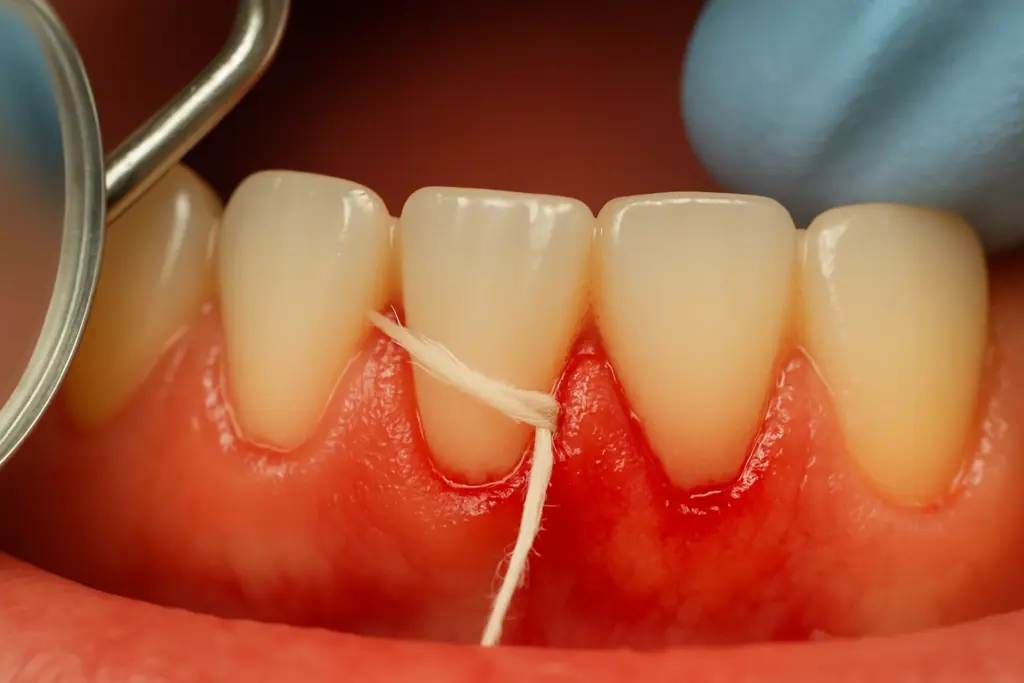
When people are used to cleaning their teeth string or yarn, it might be a misleading scenario. However, the fibers in yarn or string can detach, break apart, and get caught between the teeth or under the gums. This can inflame, and the infection can spread, and thus also the recession, of which the side effects will be seen soon enough — yikes!
In addition, those non-dental materials are not sterile. They might have dust, lint, or even bacteria on them. If you are putting them between your teeth, it is giving germs a VIP pass straight to your gums. Furthermore, if the yarn is too thick or rough, it could also remove the enamel from your teeth, causing you long-term damage that you haven’t agreed to.
What Dentists Recommend for Safe Flossing
The worldwide dentist community is in unison regarding one essential aspect: the employment of tools that have been specifically manufactured for one’s teeth is a must. Practically waxed or unwaxed dental floss, floss picks, water flossers, or soft interdental brushes all have been designed with your gum health and enamel safety in mind.
These are products that are made from smooth and non-toxic materials that do not let blood or irritation happen while they glide gently between the teeth and at the same time remove the plaque. In addition, they are a lot more hygienic. If you really want to keep your teeth clean and gums healthy, the correct way of flossing is a must-have.
How to Choose the Best Flossing Method for You
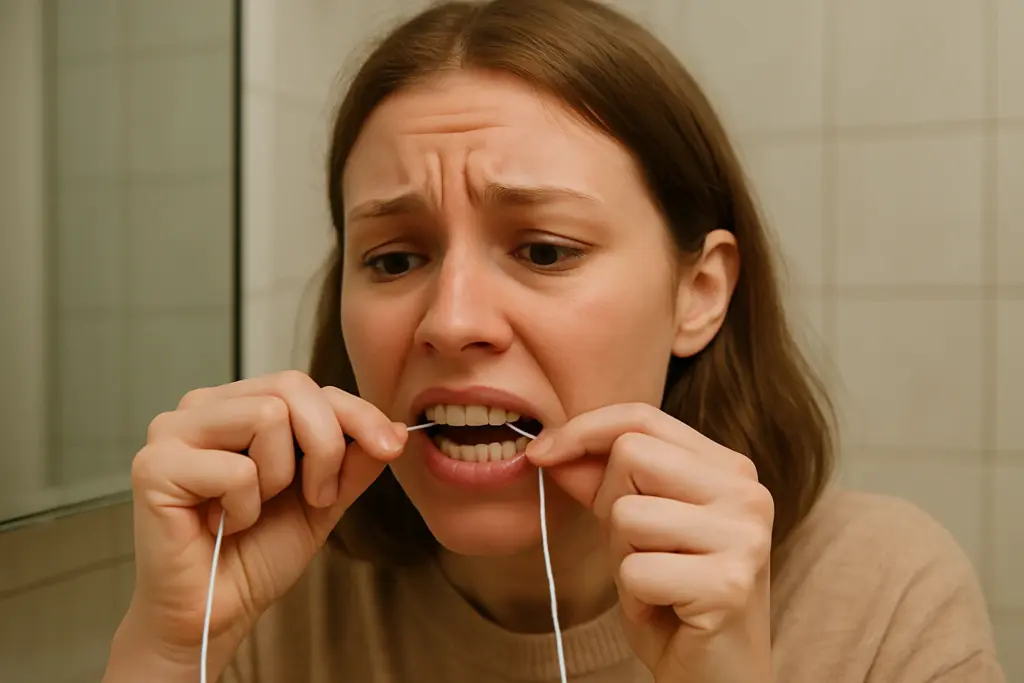
Every tooth is different from the others. If you happen to have very narrow spaces between your teeth, then the use of waxed floss will be the best solution for you. Are you wearing or is your tooth supported by braces or bridges? Then you should consider using a water flosser or special threader floss. Do you have sensitive gums? Then interdental brushes with soft bristles will be comfortable and effective.
An ideal and the best flossing method is the one that you will not forget to use. It should be very easy for you to handle, and if it does not make your mouth feel fresh, do not use it. If string or yarn is easier for you, it probably just means that you need to find a tool that fits your lifestyle better, and there are so many great and safe options out there!
Alternatives That Are Safer Than Yarn or String
Before you use your MacGyver skills to clean your teeth, have a look at these dentist-approved alternatives. Water flossers are very trendy at the moment – they shoot a soft stream of water that removes food and plaque like a mini power-washer for your mouth.
On the other hand, there are floss picks, which are very convenient to use when you are on the move, and interdental brushes that are like mini bottle cleaners for the gaps between your teeth. Moreover, even reusable silicone flosses are available now for the eco-friendly crowd. The thing is? Yarn is the riskiest way to your smile when such a large number of cool and safe tools are present.
FAQ: Cleaning Teeth with Yarn or String: Is It Safe or Risky?
Not really. String or yarn can fray, get stuck, and even damage your gums or enamel.
You could irritate your gums, introduce bacteria, and even cause long-term dental damage.
Yes! Water flossers, floss picks, interdental brushes, and soft silicone floss are all great options.
Definitely. It’s rough, not sterile, and can hurt your delicate oral tissues over time.
It prevents gum disease and decay without hurting your mouth — the goal is to clean, not harm.

