Dental care is an indicator of the condition of the whole body. The truth is, the inside of your mouth and the rest of your body are very closely connected. Therefore, gum trouble can be an early signal of diseases like heart conditions or diabetes. If you recognize these relationships, you will be able to prevent bigger troubles, and even better, the majority of the diseases are preventable if one takes good care of his or her teeth. In ten ways oral health can become your health detective, we are going to explore now.
The health of your teeth is the yardstick for how well your body is, and brushing and flossing will surely go a long way in forestalling health issues that are from the oral area. At Lema Dental Clinic, we focus on the significance of a healthy dental and gum lifestyle, not only for the cosmetic advantages but also for the patient’s overall wellness. So, whether you are the type of person who has a Hollywood Smile or you just want to have your teeth checked regularly, there is no question that you, along with our competent team, will maintain your smile in perfect health and beauty.
The Mouth-Body Connection: Why It Matters
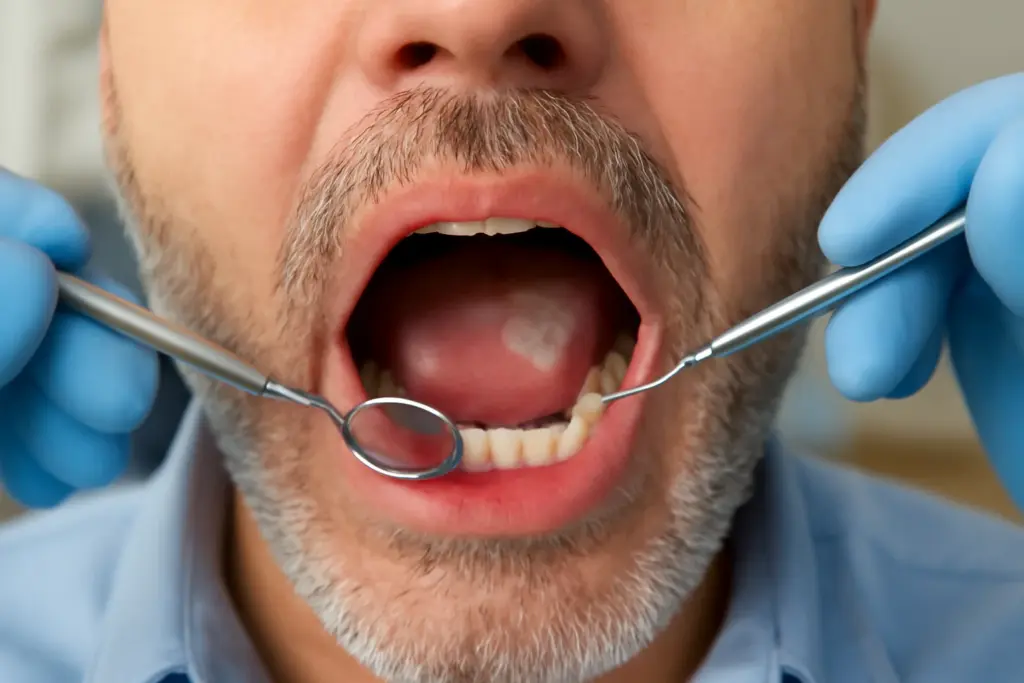
Not only is your mouth the place where you do all the eating and talking, but it is also a pointer to your total health. Oral health and the rest of the body are in such a close relationship that even dental problems can give clues about the hidden health difficulties that the body. Your teeth and gums may be symptoms of the cardiovascular system, digestion, and even mental health.
When you do your routine exam with your dentist, are you only worried about cavities? The answer would be “no”. You are also checking for symptoms of bigger health issues. Poor dental hygiene can cause periodontal disease, which can be a sign of systemic inflammation in your body. That is why your dentist is so handy to be the one receiving early diagnosis of diseases like heart disease or diabetes.
Gum Disease and Its Link to Heart Conditions

Have you ever thought that gum disease can cause heart problems? Though it might seem unbelievable, the research has indicated that if gum disease is not treated, it results in heart disease. The bacteria that inhabit the gum can get into the blood, thus causing inflammation, which can lead to clogged arteries and heart attacks.
People with gum disease have been found to have a higher risk of developing cardiovascular diseases, including stroke. That’s just the tip of the iceberg. The good news is that brushing, flossing, and seeing your dentist can go a long way in reducing your risk of gum disease as well as any heart-related problems.
What Tooth Decay Might Say About Your Diet and Habits
Tooth decay, however, is not a sudden thing; it is mostly caused by poor diet and bad habits over time. If you are solely relying on sugary foods for your snacks, sipping on sodas, and not brushing your teeth at all, you are pretty much killing your mouth. Subsequently, tooth decay has been seen as one of the symptoms of a bigger problem.
Continuous cavities or tooth decay might be a sign of malnutrition, particularly if the diet lacks calcium and vitamin D, which are essential vitamins and minerals needed for the body. Also, it could be an indication that there are some issues with your metabolism or digestive system, due to the fact that poor absorption of nutrients is leading to the weakening of your teeth. So if that’s happening to you, the first thing you should do is stop eating like that.
Oral Health and Diabetes: A Two-Way Street
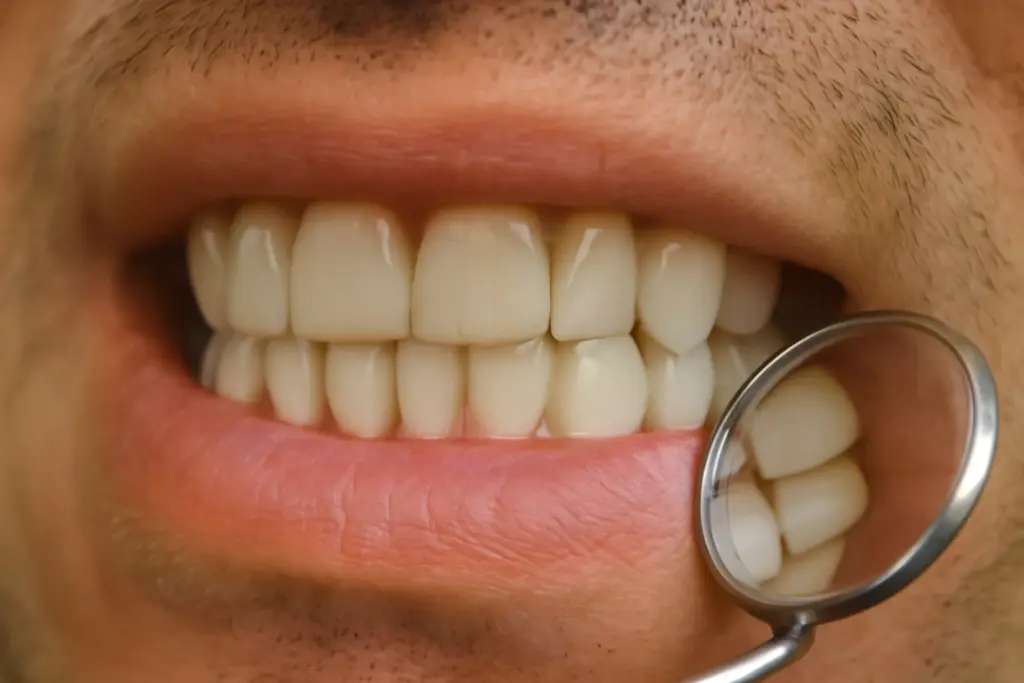
Oral health and diabetes are related to each other very closely. Persistently high blood sugar levels can make the body less capable of fighting off infections, thus creating the conditions for gum disease to develop. Reciprocally, gum disease can impair blood sugar control. All in all, this means that a person with diabetes must take care of his or her dental health much more than usual.
A number of studies revealed that people with diabetes have a higher risk of developing gum disease, which, in turn, aggravates diabetes symptoms. Good blood sugar level control and oral hygiene will do a lot in interrupting this vicious cycle. In fact, the regular dental visit is a must for a patient with diabetes, not only for maintaining oral health but also for early diagnosis of any other oral health problems.
When to Talk to a Dentist About Unusual Symptoms
There are times when our teeth and gums are signaling something, but the signs are too subtle and easily ignored. If you experience any of these symptoms: bleeding gums, bad breath that doesn’t go away, loose teeth, or pain while chewing, then going to a dentist is the next step. They may be warning signs of gum disease, tooth decay, or even more serious health conditions.
Still, the fact that you’re not feeling any discomfort doesn’t make dental appointments less important. A dentist can detect early signs of ailments not even visible to the eye, such as the onset of gum disease or head cancer. If you do experience some strange symptoms, do not wait until they get worse, but see your dentist as early as you can.
FAQ: Dental Health and Systemic Conditions
Yes, gum disease can increase the risk of heart disease. The bacteria from infected gums can enter the bloodstream, contributing to inflammation in the body and increasing the risk of heart conditions.
People with diabetes are at higher risk for gum disease due to high blood sugar levels that can weaken the immune system. Gum disease can also make it harder to control blood sugar levels, creating a cycle of health issues.
Dental check-ups can reveal signs of heart disease, diabetes, and even certain cancers. Your dentist can spot early signs of gum disease, infections, and other health problems that might not be visible elsewhere.
Yes, bleeding gums could indicate gum disease, which, if left untreated, can lead to tooth loss and other health complications. It’s important to address bleeding gums with a dentist as soon as possible.
If your dentist notices something unusual, they will often refer you to a doctor for further evaluation. It’s important to take their advice seriously, as early detection of health issues can lead to more effective treatment.