


Yes, temporarily safe!
If you want a temporary protective covering that will reduce the pain and discomfort of the tooth, dental wax can be used on a chipped tooth. Dental wax will create a smooth, biologically compatible layer over sharp or irregular parts of the tooth that will prevent the tongue, lips, and inner mouth from being cut by the sharp edges of the tooth while you wait for professional dental treatment. This method is very short-term and is usually the only comfort measure and oral safety in a dental emergency situation.
Dental wax is a product that is frequently used in dental practice mainly because it is non-toxic and safe for the short term intraoral use. If used properly, it will decrease the friction and the injury of the soft tissues will be avoided, which would otherwise be harmed by the chipped enamel and the exposed dentin. Also, dental wax is not going to mend your tooth, and it would not stop any kind of deterioration from happening beneath it.
How to Apply Dental Wax Correctly for Maximum Effectiveness
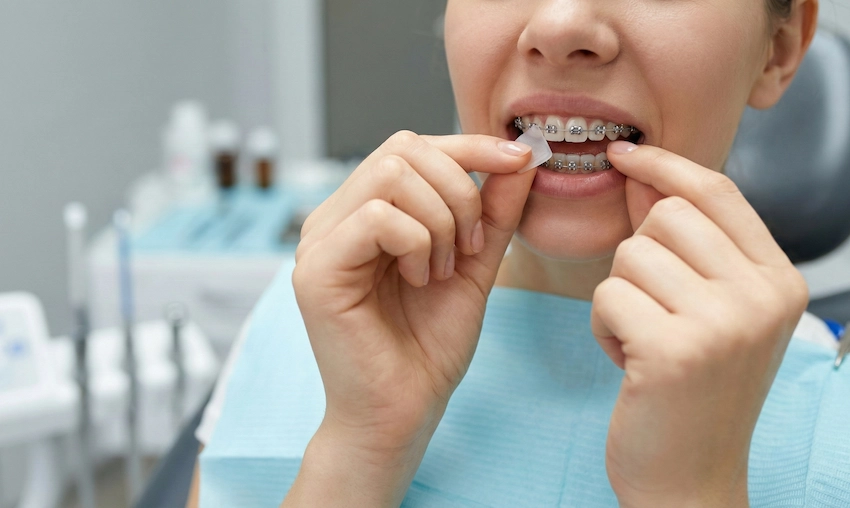
Dental wax, when used rightly, will perform to standard in protecting the area and will adhere properly. You should always remember very simple and hygienic steps that will ensure the best result.
| Step | Action | Key Reason & Pro Tip |
| 1. Preparation | Properly wash your hands with soap and water for a good amount of time. Then use some warm water to rinse your mouth so the area around the chipped tooth is fresh. Get a clean tissue and softly dab the tooth and gum area around the chipped tooth to get rid of any moisture. | Keeping your hands clean, prevents the bacteria from being transferred to your mouth. To get the wax to stick better to the tooth surface, make it completely dry. |
| 2. Prepare the Wax | Pinch a bit of wax the size of a small pea or popcorn kernel and roll it between your fingers for 5-10 seconds turning it into a small ball. | Your fingers’ warmth melts the wax to the extent that it becomes soft and easy to apply. |
| 3. Apply the Wax | Press the softened dough ball slightly and make it a disc shape. With a slight force, cover the wax completely on the sharp or jagged edge of the chipped tooth. Glide your finger over the wax so it has a tight, comfortable fit against your tooth. | The aim is to make sure the entire rough surface is covered. You may use your tongue to verify that no sharp points are sticking out and that the area feels smooth. |
Table: Step-by-step guide to applying dental wax on a chipped tooth.
Critical Limitations and When to See a Dentist Immediately
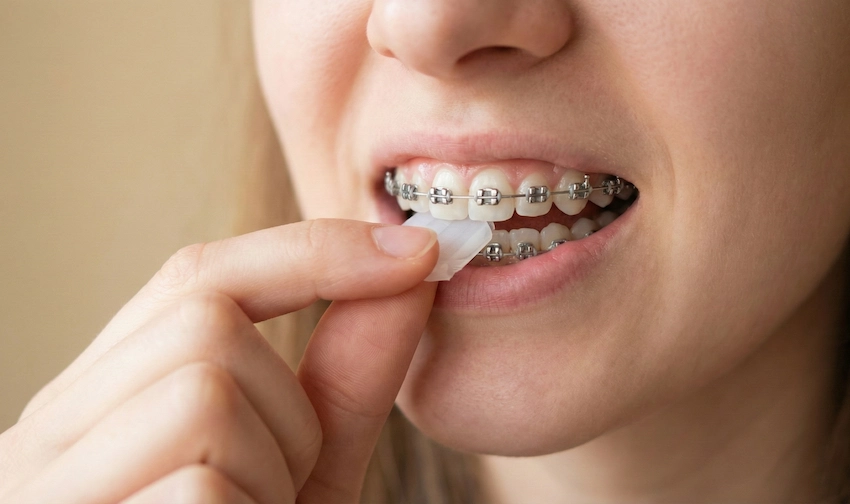
Knowing exactly what dental wax is incapable of is vital. Understanding its limitations and recognizing the symptoms of a serious case will help you the right professional care instantly.
- This is only a short-term solution: While dental wax acts like a bandage that protects the area, a tooth is essentially the real remedy. Wax does not prevent the entry of bacteria, it does not mend the broken part, and it does not actually heal the damage to the nerve inside the tooth (pulp). Using wax for extended periods without having your tooth checked by a dentist can lead to a minor problem turning into a much more serious one. The paper in the Dentistry Journal has come to light that unrepaired fractures carry a significantly higher risk of pulp necrosis (death of the nerve). Hence, it is advisable to make an appointment with your dentist immediately, ideally within a day or two after your tooth has been hurt.
- Certain Indications You Have to Go for Immediate Dental Care: Dental wax can be used on minor chips with sharp edges. Nevertheless, some symptoms suggest a dental emergency where you should call a dentist or go to the emergency care the minute you realize the situation:
- Very strong pain that keeps coming and does not go away even after taking painkillers bought in a pharmacy.
- Bright red bleeding coming from the tooth or gum that refuses to be stopped.
- A pink or red spot showing inside the chipped area, which is a clear sign that the nerve is exposed.
- Your cheek, gums, or face are swollen.
- Fever, which is a hint of infection starting up.
- The tooth is shaky or has been pushed out of its normal position.
Frequently Asked Questions About Using Dental Wax on a Chipped Tooth
Dental wax is safe when used for a short period on a chipped tooth. The wax acts as a cushion that helps to dull the sharp edges of the tooth that can otherwise cut the inside of the mouth. It is made of non-toxic material and is intended for short-term use inside the mouth before you get professional help from a dentist.
Dental wax cannot restore the enamel, dentin, or any part of the tooth. It simply acts as a surface layer of protection for a brief period and does not function as a reinforcement or disease prevention method.
Generally, it is advised to limit dental wax usage to a maximum of one or two days and a few hours at a time. Not seeing a dentist and using the wax for a long time can result in infection, tooth decay, or more tooth damage.
By covering the points that come into contact with the lips or tongue, dental wax helps to reduce pain caused by the irritation of the soft tissues. However, it cannot cure pain that originates from the nerves, nor can it eliminate sensitivity when the dentin or pulp is exposed.
While it is possible to eat with dental wax, it is advised against as the wax can fall off or food and bacteria can be trapped under the wax. The best practice is to take the wax off before eating and then put it on after if there is a need for it.
American Dental Association. (2023). Dental emergencies and temporary careMayo Clinic. (2023). Tooth damage and enamel protection.
National Health Service. (2023). Dental emergencies: chipped or broken teeth.

