


Following a diet after dental implant surgery is a very crucial thing to do, in order to help the body heal and thus have the long-term success of the implants. A very common question of patients is whether it is safe to eat certain foods, such as chicken, during the recovery stage. We present here in this article detailed, and evidence-based guidance on how to reintroduce 🐔chicken🐔 gently into your diet in order to support oral health and to speed up your dental implant recovery.
🐔 Why Food Choices Matter for Your Oral Health After Dental Implant Surgery
The health of the mouth and the rest of the body as well as the healing process, are greatly influenced by the diet of a person who has undergone dental implant surgery. The food eaten will provide the gum tissues around the implant site with the required nutrients for their healing and thus the implant integration with the jawbone will remain effective. The first days of recovery are a time for soft foods, which should not apply any kind of pressure to the surgical area. Hard and tough foods can cause irritation, pain, or even implant failure.

When you select foods that are both nutritious and simple to chew, you are not only helping your implants by providing them the necessary healing but also you are decreasing the chance of infection and inflammation. Soft foods are the ones that can be easily chewed and swallowed, hence the gums that are healing and the area where the implant has been placed are less put to work. Moreover, the very fact that someone is eating foods that are plentiful in vitamins and minerals can be quite helpful to the body for next to no time regeneration of the tissue ,which is a vital component of the healing process.
🐔 Can I Eat Chicken After Dental Implant Surgery?
Chicken is a healthy food with a high content of protein, so it can become a part of your post-surgery diet, but it must be properly adjusted so as not to let the healing area indirectly take the stress. The first thing is to avoid tough, chewy pieces of chicken since they require more chewing and thus can cause the irritation of the implant site. As you progress with soft solids and get better and more comfortable, you can reintroduce chicken into your diet, only if it is tender and still has some liquid.
It is advised to take only liquids and soft foods that need no or very little chewing for the first 48 to 72 hours after the operation. After the swelling has subsided and the pain has been alleviated you may slowly bring back the finely cooked tender chicken to your meals, but still be careful that it is soft enough so that the area of the surgery is not forced with extra pressure. What matters most is selecting the pieces as well as the ways of cooking that will make the food more chewable and swallowable.
🐔 Optimal Preparation Methods for Safe Consumption to Support Implant Healing
How you prepare chicken is a very big factor in determining the extent to which it is suitable for your diet during recovery. If you correctly prepare your chicken, the final product will be tender, a meal of which will be easy to chew and your healing process will not be interrupted. So, if you want to eat chicken and at the same time you want to fix your dental implants, you can use the following recipes that will help you keep your chicken compatible with the recovery of your tissues:
🐔 Shredded Chicken for Easy Chewing
After a dental implant surgery, you can choose between several kinds of chicken; shredded chicken is probably the best, both in terms of being easy to chew and swallow. Slow-cook or boil until very tender one or more chicken breasts. Once the chicken is cooked, grab 2 forks and shred the chicken by pulling it apart into small fibers. Use broth, gravy, or a creamy sauce to make shredded chicken consumption even more comfortable. Besides that, the sauce not only adds water but also makes the chicken easier and smoother to swallow, which means that the amount of chewing needed is reduced considerably. Shredded chicken, in addition to being a soft food for the gums, will still be good for oral health as well as dental hygiene since it requires a minimal chewing process.
🐔 Pureed Chicken for Early Stages of Healing
The purée of chicken is quite an appropriate choice for the very beginning of the recovery phase. First, cook chicken properly; then, blend it into a warm soup, which should be of a completely smooth texture. Chicken purée is easy and safe to consume, and at the same time, it gives the body all the necessary nutrients to maintain oral health during the first stage of healing. A soup that is made of pureed chicken is not only nutritious but also eating it is easy because of the soft texture which is gentle for healing gums and the implant site.
🐔 Minced Chicken as You Tolerate More Texture
In case you want to tolerate a more textured diet, then you might think of introducing minced chicken into your diet. Finely ground chicken can be used for making soft, moist patties, or it can be mixed with soups and stews. Minced chicken has more texture than puréed one, but it is still easy to chew and swallow. It is a safe step as you slowly start to add more substantial foods to your diet, at the same time, you are not risking your healing dental implants and you are maintaining oral hygiene at the highest level.
🐔 Foods to Avoid for Optimal Healing of Dental Implants and Oral Health
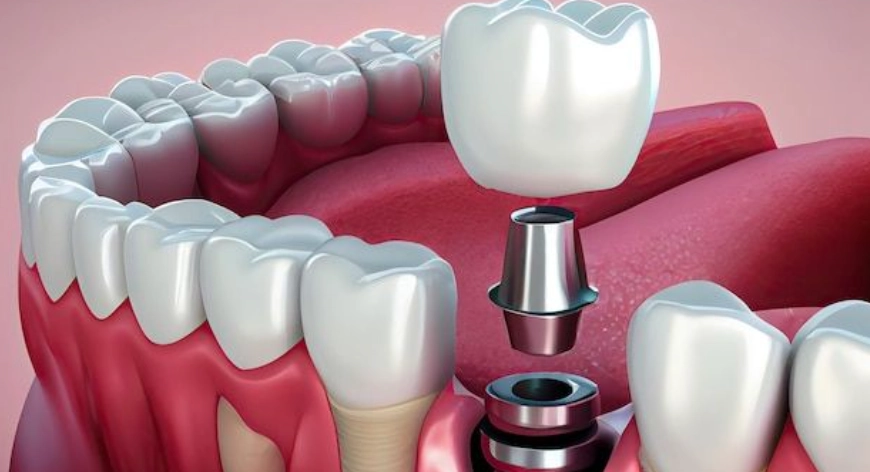
Although chicken is a good protein source, it is very important that you refrain from certain preparations until the time your dental implant has completely integrated with the jawbone. These food consumptions may cause several problems to arise around the healing area, thus the success of your dental implants may get compromised. Below you can find the kinds of chicken preparations that you should avoid during your recovery period:
🐔 Tough, Chewy Cuts: Risk to Your Oral Health
Grilled chicken breasts, wings, or drumsticks are some of the tough parts of the chicken that you should not eat. These parts need a lot of chewing and are difficult to break down, thus they will put strain on the implant site, as well as can irritate the surgical area. Tough, chewy chicken can cause discomfort, delay the healing process, and lead to irritation of the gums, thus the healing process will be at risk.
🐔 Dry or Fried Chicken: Risk of Complications
If the chicken is dry or fried, such as baked, breaded, or crispy chicken preparations, it is better to stay away from them. These kinds of chicken may produce small, sharp, and hard crumbs that can cause irritation of the implant site or gum tissue. Other than that, dry fried or baked chicken can make chewing and swallowing difficult, thus there will be a risk of discomfort and the healing process may be slowed down. The use of moist, tender food is not only beneficial for your oral health but also helps the successful integration of the implant.
🐔 Bone-In Chicken: Potential Risk to the Implant Site
Under no condition should you be consuming bone-in chicken, such as wings or drumsticks. The bone-in chicken may, quite unintentionally, be the reason for the pressure of the implant site, which consequently leads to damage to the surgical area if you are not careful. Bones can be hard to chew and swallow, so the risk of irritation and complications may increase. To be on the safe side, your chicken should always be boneless, and if there are any bones left, they should be removed with great care before consumption.
🐔 When to Reintroduce Chicken to Your Diet
When you are feeling good, you can take a chance and reintroduce chicken to your diet. First of all, go for tender, moist, and thoroughly cooked chicken next 48 to 72 hours of recovery when you are ready for solid foods. Beginning with shredded or pureed chicken and gradually changing the texture as your healing progresses is the best way. In most cases, patients will be safe to include more solid foods such as minced chicken by the end of the first week, on the condition that the foods are properly prepared. Any time you find it uncomfortable or painful to eat, return to softer foods until you have completely recovered.
🐔 Tips for Eating Chicken After Implant Surgery for Optimal Oral Health
These directives may assist you in maintaining chicken as a part of your diet that is both safe and nourishing after surgery:
- Opt for Tender Cuts: Choose the more tender, juicy cuts of chicken, e.g., chicken breasts or thighs, that are easy to chew and less likely to cause the implant site to become irritated.
- Shred, Puree, or Mince: If you are shredding, pureeing, or mincing chicken, you are making it easier to chew and swallow and thus, lessening the trauma of the surgical site and recovery time will be shorter.
- Dry, Fried, or Bone-In Chicken: Diseases that are dry, fried, or bone-in may cause the gums and the surgical site to become irritated or injured, hence the healing process will be slowed down.
- Pair with Soft Foods: You can soften your chicken meals by eating them with sides such as mashed potatoes, steamed vegetables, or rice and thus, making the eating process easier and the implant area will be less strained.
🐔 The Importance of Following Post-Surgery Dietary Guidelines for Successful Implant Healing
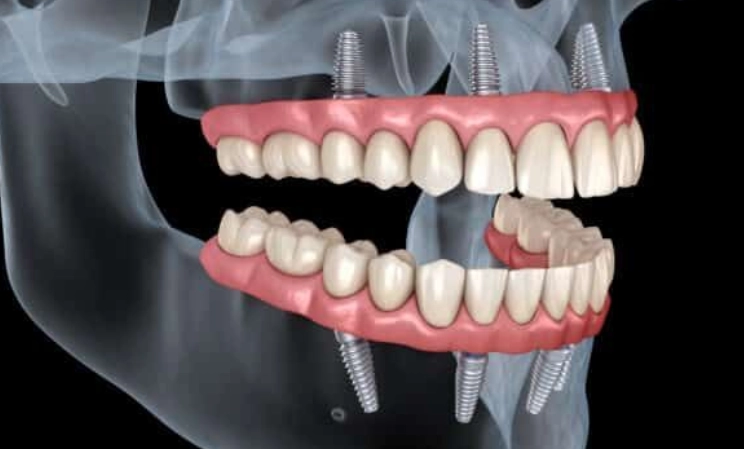
One of the most important things to perform to get a good result from dental implant surgery is to follow the diet plan that your dentist has advised.
If the patient mainly eats soft and easily digestible food and also refrains from eating food that requires a lot of chewing, then the risk of complications will be less and the recovery will be faster. The recuperation instructions will be handed down to you by the dentist according to your healing progress. Should you have any questions concerning your diet, and if you think that the act of eating is causing you an unusual discomfort, then you must definitely consult your dental care provider for advice.
Healthy oral food choices coupled with the right chicken preparation methods not only lead to a smooth recovery but also to the longevity of your implant. When you are diligent with your care and diet, you will have the freedom to eat almost any kind of food, including chicken.
References
- Babbush, C. A., & Collado, J. (2012). Dental implant complications: Prevention and management. Dental Clinics of North America, 56(3), 529-547. https://doi.org/10.1016/j.cden.2012.04.002
- Hämmerle, C. H., & Jung, R. E. (2015). Bone healing in implant dentistry. Journal of Clinical Periodontology, 42(S16), S14-S17. https://doi.org/10.1111/jcpe.12360
- Misch, C. E. (2008). Contemporary implant dentistry (3rd ed.). Mosby.
- Sim, A. (2017). Post-operative dietary instructions following dental implant surgery. Journal of Oral and Maxillofacial Surgery, 75(5), 1033-1038. https://doi.org/10.1016/j.joms.2017.01.045
- Zadeh, H. H., & Mirzakand, A. (2019). The role of diet in post-operative dental implant healing. The International Journal of Oral and Maxillofacial Implants, 34(2), 293-300. https://doi.org/10.11607/jomi.5670
FAQ’s About Eating Chicken After Dental Implant Surgery🐔
Yes, you can eat chicken after dental implant surgery, but it must be prepared in a way that minimizes chewing. Opt for tender cuts like shredded, pureed, or minced chicken, which are easier to chew and swallow without putting stress on the healing implant site.
After the initial 48 to 72 hours, when swelling begins to reduce, you can start introducing chicken into your diet. Begin with tender, shredded, or pureed chicken, and avoid tougher cuts or dry preparations until you’re fully healed.
Yes, shredded chicken is a safe option after dental implant surgery. When prepared tenderly, such as slow-cooking or boiling, shredded chicken is easy to chew and doesn’t place unnecessary strain on the implant site.
No, fried chicken should be avoided as it is dry and crispy, which can create sharp crumbs that may irritate or harm the surgical site. Instead, opt for moist and tender chicken prepared with soft methods, like shredding or pureeing.
Yes, bone-in chicken should be avoided during recovery. The bones can apply pressure to the surgical site and make it harder to chew, which may lead to complications. Always ensure the chicken is boneless to minimize the risk of injury.
It is best to wait until the first week of recovery before introducing solid cuts of chicken. By this time, most patients can safely eat soft, tender cuts, but always ensure they are easy to chew and don’t require excessive effort.

