Oral hygiene is an integral part of sustaining your oral health; therefore, people have employed various DIY techniques in an effort to improve their daily brushing. The use of salt is one such method. Even though salt has been advocated as a natural and harmless way of whitening your teeth and getting rid of plaque, does it indeed work well, or maybe it can be rather harmful? Is it harmful to brush your teeth with salt?
In the present write-up, we are going to investigate some of the advantages and downsides of salt brushing, the right ways of its application, and the instances when it would probably be better to omit it.
Benefits of Brushing Teeth with Salt
According to history, brushing your teeth with salt has been one of the most traditional oral hygiene products for centuries. Salt remains popular because of its many advantages. The most important advantage is the abrasive property that can be used to rub off the plaque and the food particles from the surface of the teeth.
The latter features are very important so that it becomes a perfect tool for cleaning the teeth. One of the main characteristics of salt is that it kills a wide range of bacteria and works perfectly as both an anti-bacterial and an antiseptic agent. This dual character is very important for us because it can help in the reduction of b
The last step in most teeth cleaning procedures of salt is very beneficial. Brushing your teeth with salt is considered to be effective for oral care due to its anti-germicidal and antimicrobial properties. The agents in salt are very strong and can kill a big spectrum of bacteria in the oral cavity, thus maintain oral health and also bring about fresh breath, and help treat oral diseases such as candida and periodontal diseases.
Risks of Brushing Teeth with Salt

The allocation called “Female Residuals” shows the association between height and the ensuing values shortened by the height of the woman with the change to women’s residuals resembles the proportion the daughters take away from the observed chinbone to the estimated chinbone, which is the difference between the recorded scarf and the forecasted scarf by using the slope of the estimated SRM model.
It is also important to consider potential hazards during brushing your teeth with salt, besides its advantages. The crown issue while using salt to keep the oral cavity clean on a regular basis is one of the primary worries. Over the years, salt has a scaling power, so it can cause friction that literally sloughs the enamel off the surface of the teeth.
The enamel is a physical part of your teeth which protects them from the destructive effects of decay and sensitivity. Once the enamel has disappeared, it is gone forever. In such a case, deposits of salt start rotting the teeth quicker and making them so sensitive that you cannot eat properly with no pain.
Gum irritation is the next potential threat. Forceful brushing your teeth with salt to the affected area or overuse of it can cause irritation to the gums, or in extreme cases, even injure them. This harm becomes certain, specifically having sensitive gums or gum diseases.
Salt, being effective even in small quantities, can largely contribute to the dryness of the mouth in the event of its excessiveness, which is liable to cause dry mouth, subsequently the latter can increase the risk of caries and halitosis.
How to Safely Use Salt for Your Oral Hygiene
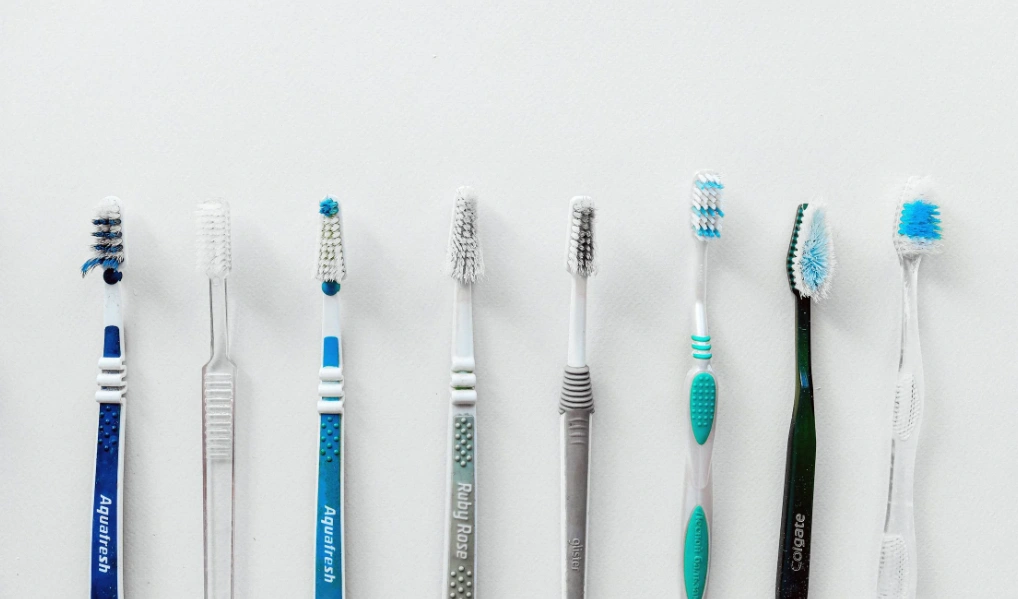
In case you plan to continue getting in the habit of brushing your teeth with salt, it is highly important that you do it the right way to avoid inflicting your teeth with any form of damage. For starters, you have to come up with a decision concerning the use of fine-grained salt. It will be too harsh on your gums if you choose coarse salt. In order to cut the salt’s potential force, you can accompany it with baking soda which is less abrasive yet is a good tooth whitener itself without causing as much damage.
Do not brush your teeth with salt every day. The best practice is to use salt just a few times a week as a complementary option to your regular brushing schedule where fluoride toothpaste is used. You will not, in this way, miss out on the possibility of benefiting from salt in any way, while at the same time, the two diseases of enamel erosion and gum irritation are well taken care of. After you have finished brushing your teeth with salt, rinse your mouth well with clean water only, be sure to remove any salt left, and never allow your mouth to become dry.
When to Avoid Brushing with Salt
Even though there are certain advantages to salt, it could be inappropriate in some cases. People with sensitive teeth and gums, in particular, should never salt their teeth. The acidity of salt is very abrasive and the problem may escalate even more if you are already in pain with your gums. If you have diseases of the gums, pouring salt into the fissures can increase the pain and slow down the healing speed.
It is not advisable to use salt excessively, either. Not only the frequent application of salt but also too much pressure while brushing your teeth with salt can lead to injury to teeth and gums. If you have doubts about salt application for oral hygiene, get in touch with your dentist for a piece of good advice.
FAQs About Brushing Teeth with Salt
Brushing with salt can help remove plaque and bacteria and can provide a natural whitening effect. However, it should be used in moderation, as excessive salt use can erode tooth enamel and irritate your gums.
Yes, salt can help remove surface stains on your teeth due to its abrasive nature. However, it doesn’t provide deep whitening, and the effects are generally cosmetic.
If used excessively, salt can wear down enamel, which can make your teeth more vulnerable to decay. It’s essential to use salt sparingly and not as a replacement for fluoride toothpaste.
Using salt once or twice a week is sufficient. It should not replace your daily brushing routine, as fluoride toothpaste is better suited for daily use to protect your enamel.
Yes, salt has anti-inflammatory properties that can temporarily relieve gum irritation and inflammation. However, it should be used with caution, especially if your gums are already inflamed.