Oral thrush, which is galore, occurs in your mouth, disappointed as oral candidiasis. It is not caused by a specific yeast called Candida albicans, which comprises a group of organisms typically present in the mouth; however, it can increase in numbers when your body has lowered immunity or when the mouth environment changes. Dry mouth, caused by various agents such as diabetes medications, inhaled steroids, and dentures, can create a perfect environment for the fast spread of the yeast to inhabit these tissues.
This condition is characterized by white patches developed on the tongue, inner cheeks, and at times, the roof of your mouth, gums, and tonsils. They can make the mouth feel very uncomfortable, painful, and irritated when eating something acidic or spicy, thus reducing the overall quality of life. And let us say it, oral thrush can make performing basic things like teeth-brushing feel like a mini torture session. It is important not to ignore your oral care routine, though, and gentleness is the key.
If you have oral thrush, be gentle. You can clean your mouth and heal it, too. The team at Lema Dental Clinic is here to help you with dental care, even if you have a fungus. Each step you take makes you closer to the bright and confident Hollywood Smile.
Can You Brush Your Teeth If You Have Oral Thrush?
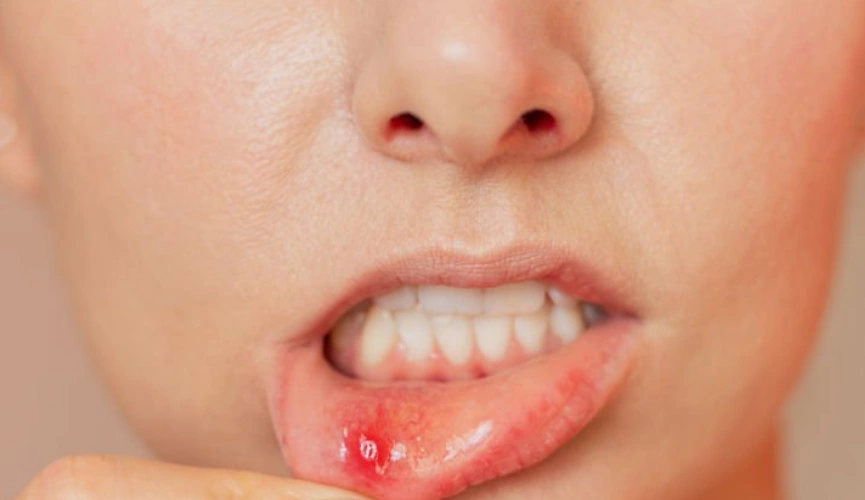
If you ask if it is okay to proceed to brush your teeth when you have oral thrush, the answer is yes, you can, and it is obligatory to do so. The fact is, keeping the mouth clean during healing is one of the most important things to do. But proper execution of the task is essential, so no damage to already damaged tissues occurs. People avoid brushing because the white patches bleed and sting when brushed, but keeping brushing is the most important since if not done, it allows the yeast to thrive or overly grow.
Brushing the tongue and mouth supports healthy oral hygiene practices but in a gentle way. It is important to switch to a soft-bristle toothbrush, also avoid aggressive scrubbing and whatever is used should be appropriate for this condition in terms of oral acupuncture of medications and antifungal agents. However, proper oral hygiene should not be neglected regardless of these difficulties; rather, a personal touch, kindness, and caution with bristles and gentleness in brushing are key factors that will make the therapy as effective as possible.
Best Brushing Practices During an Oral Thrush Infection
To begin with, the first thing to be noted when dealing with oral thrush is that you should be as gentle as you can be, as when you are brushing your teeth. To illustrate this point, one has to think that your toothbrush is a feather, and not a brush, on the other hand. If possible, slow down the brushing process and, rather than using the back-and-forth brushing method this is used maybe substitute it using the circular brushing technique on the area that is affected. This is to say that using a rotating technique rather than the back-and-forth method would ease the areas of the gums, tongue, or cheeks and hurt less.set at this point are the sensitive areas.
Mouth cleaning is fundamental, yet it’s important to note that salt-mixed water helps in making the tissues less sensitive. The first few steps would include rinsing your mouth using lukewarm water or salt before brushing it in the mornings and after meals. In addition, it is advisable to abstain from eating for half an hour after brushing your teeth to allow antifungal medications to work properly and inhibit further growth of fungi in the mouth. In the Lema Dental Clinic, we regularly remind people of the obvious fact that the mouth is not under attack and has not been doing badly, but rather it is a tissue that is undergoing a lot of healing, and so it is necessary to take care of it.
Toothbrush and Product Tips to Avoid Irritation
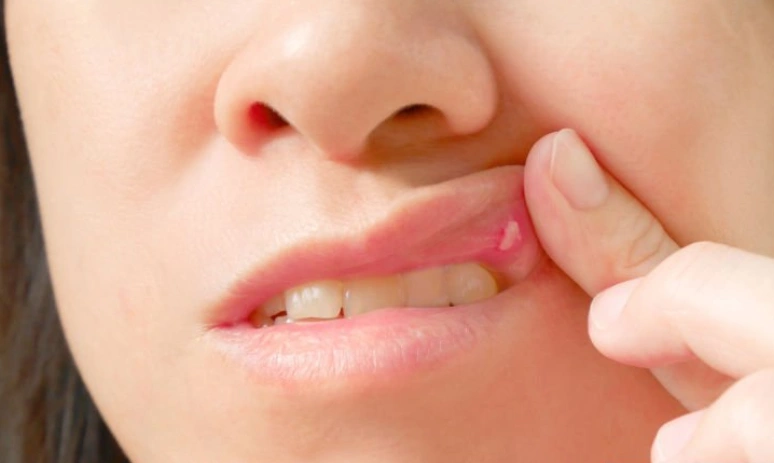
Next, it is important to take care of your toothbrush when dealing with this oral condition. In regard to a toothbrush, you will need to have a toothbrush that is super soft for the sensitive mouth. A toothbrush that has hard bristles may irritate (cut or scratch) the already sensitive tissues and therefore cause more damage to the area in question. For some people, they prefer using the toothbrushes of toddlers for all these reasons, as they are small, extra soft, and easy to work with. Using this small toothbrush, it is easy to control the stroke and cleansing stroke, hence providing the best care possible when brushing the teeth.
While brushing your teeth with a toothbrush, be sure to use toothpaste with heat that may further irritate the products for the tissue as well as the flavors. One should use flavorless, antiseptic, and fluoride toothpaste that will help clean teeth just fine but won’t bother the already sore areas. And here’s another important tip that can help you in this process: do not forget to change your toothbrush often during and after the treatment in order to eliminate any traces of infection and stress that could cause a setback in the healing process. Also, if you are trying to fight a fungus infection, this is the stage of many kinds of fungus that can possibly linger on the bristles of the toothbrush, and that is why it is important to eradicate this stage in your mouth in order to heal and enjoy well with this state. This is a simple and effective way to help your mouth and yourself as a whole to feel good.
How to Clean Your Mouth Gently and Support Healing
Along with brushing, there are a few other gentle actions you can utilize in order to take care of your mouth while suffering from oral candidiasis or thrush. Rinsing using warm salt water (½ teaspoon salt mixed in a cup of warm water) very well for two or three times each day can act as an effective remedy for thrush and also help in reducing the growth of fungi present in the mouth. When it comes to mouth washes, you must avoid those that contain alcohol because they only lead to mouth dryness, penetrating thus bringing about an irritating effect.
Should your clinician give you antifungal medicine(s) such as nystatin or fluconazole, it is imperative that you strictly adhere to their prescription instructions by refraining from rinsing immediately after administration. It is highly advisable that you support your healing by consuming great amounts of water, avoiding cake and cookies or any such type of sugary foods that may promote yeast growth, staying away from tobacco products, as well as limiting consumption of beer or wine since these could slow down the healing process in your body. To obtain proper treatment, Lema Dental Clinic recommends that people focus on maintaining a clean, moist, and gentle oral cavity as their inflammation of the oral mucosa gradually improves.
FAQ: Brushing Your Teeth When You Have Oral Thrush
Yes, brushing your teeth is essential to maintain hygiene and help prevent further fungal growth—but do it very gently and with the right tools.
It can if you brush too hard or use irritating products, but with a soft brush and careful technique, brushing actually supports healing.
A soft or ultra-soft bristle toothbrush is ideal to prevent further irritation and protect delicate tissues.
Yes! Change your toothbrush after the infection clears to avoid reinfection from fungal spores on the bristles.
Definitely. Strong flavors or harsh ingredients can irritate your mouth—choose a gentle, fluoride toothpaste without alcohol or whitening agents.