


Headaches are one of the most common reasons for visiting the doctor, and people most often suffer from them at some point in their lives. While several different factors can cause these headaches, you will be shocked to find out that dental issues have been a major cause.
The dental issues causing rest can be those related to the night’s teeth grinding or teeth alignment, and in any case, dental health can be a major factor in the frequency and intensity.
At Lema Dental Clinic, we realize the significance of a bright grin, and more often than not, taking care of the problematic dental issues, such as malocclusion or grinding, will not only lead to the health of your teeth but will also alleviate headaches. If you have a Hollywood Smile transformation in mind, first of all, it is necessary to understand that a fantastic smile is a sign of good health; hence, putting an end to your headaches may be the very first link to both getting rid of the pain and achieving the perfect smile.
When Your Headache Starts in Your Mouth

The mouth is the place where some horrid headaches arise and are likely to be of dental origin. In case you have misaligned teeth or a wrong bite, then your jaw may be pushed to unattractive places, resulting in tight muscles that eventually will give you a headache. This pain is normally more visible when you are chewing or have just chewed, and you may be experiencing it on the top of the jaw or in the neck area as well.
A lot of people who do not try to see the problem in its totality may find it hard to link head pain with dental issues. However, the link is more powerful than one may think.
Early identification of symptoms is key. It is a dentist who can establish if your bite is the cause of the stress on the jaw, a source of a headache. Upon confirmation, means of correction like braces, retainers, or dental work can be ways to remove the discomfort. Acknowledging the impact of your oral cavity on your headaches is pivotal in availing the appropriate remedy and relief.
Teeth Grinding and Clenching: A Silent Trigger
There is a likelihood that one may grind or clench their teeth while being totally unaware of it, particularly during sleep. Bruxism is a term that is used to describe this kind of behavior, which may result in your teeth, jaw, and the nearby muscles being subjected to a lot of pressure. As the tension builds up due to the continuous pressure, the end result will be tension headaches. Jaw pain, tooth sensitivity, and neck discomfort are just some of the symptoms that may be present along with the headaches.
Grinding of the teeth is a practice that the concerned party most often does not know about, and thus, it is mostly done during sleep. If you are awakening in the morning with a sore jaw or there are signs of your teeth being worn down, it might be an indication that the grinding of your teeth is what is causing your headaches. A dentist can utilize the method of a night guard that he will prescribe to you in order to protect your teeth from the damaging effects of grinding, and at the same time, be a source of relief for the jaw and head tension.
TMJ Disorders and Head Pain
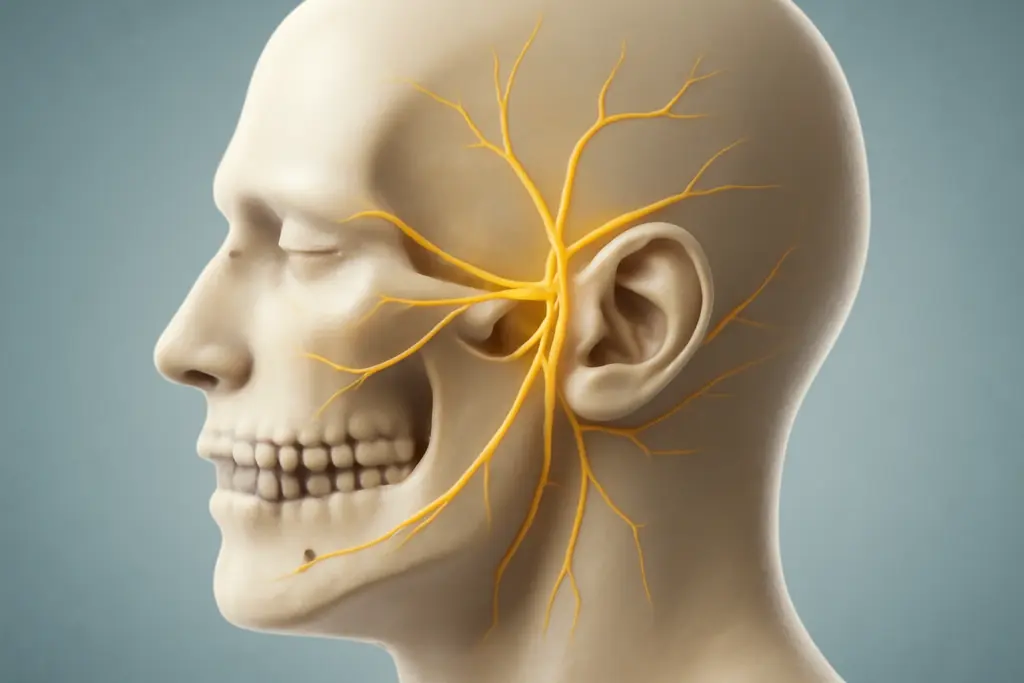
The Temporomandibular Joint (TMJ) is the one responsible for all jaw movements, and any complications, in this case, will have the effect of severe pain. The connection between TMJ disorders and headaches is a hot topic because the joint itself is situated just in front of the ears, close to the muscles that are responsible for chewing and jaw movement. The stoppage of the normal function of the TMJ can make the affected user experience a whole gamut of problems like pain in the face, jaw, and head.
TMJ disorders are leading to some people having headaches so frequently that they consider these headaches as one of the main symptoms of the TMJ disorder. Besides that, these people often say that the headache was a dull ache around the temples. If you also hear a clicking or popping sound while moving your jaw, you should see a dentist as soon as possible to let them check your TMJ area. Treatment can be physical therapy, taking some medications, or the dentist performing adjustments so as to help realign the jaw and reduce headaches.
Sinus vs. Dental Headaches: How to Tell the Difference

Dentists cannot always determine if a dental problem is the main cause of a headache or if the latter is due to something else, like a sinus infection. Sinus headaches are usually accompanied by deep, throbbing pain in the forehead area or behind the eyes, whereas dental headaches typically refer to a particular area of the jaw and teeth. A main feature of dental headaches is that they are often associated with the movement of the jaw, for example, chewing or clenching, and, in most cases, there is also jaw pain or tooth sensitivity.
In order to differentiate these two, you should pay close attention to the symptoms and the triggers of your headaches. A symptom such as a headache becoming worse on opening the mouth wide, chewing, or when you wake up from sleep may refer to dental issues. However, if your headache is more like a feeling of pressure in your sinuses and you also have nasal congestion, then it is a sinus problem, not a dental one. A dentist will be able to find out the reason for the problem and help you find the right treatment.
When to See a Dentist About Your Headaches
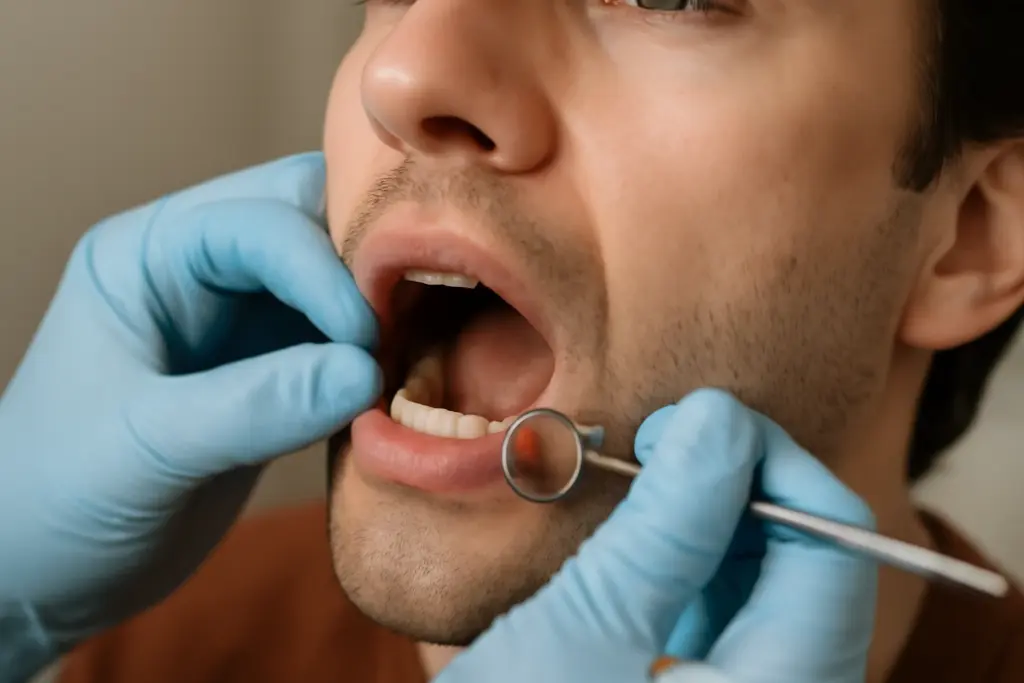
What you should do is if your headaches are very intense and they repeat themselves, then you’d better go and see a dentist as soon as possible, especially when you think the cause may be your teeth or jaw.
Furthermore, a dentist can succeed in locating the dental issues that are at the roots of a patient’s headaches, or that are even the cause of the symptoms the patient describes as a headache. They can assess your bite, check for grinding or clenching of teeth, and they can even do an examination of your jaw and temporomandibular joints to see if they are healthy.
If the problem is still at the early stage, a dentist will definitely be able to identify the problem and guide you through a treatment plan before the problem gets worse. Such treatments as bite adjustments, dental appliances, or even orthodontic treatments that can ease the tension in your jaw and stop the headaches from increasing in number may be included. Never neglect the link between your dental health and headaches – it might be the solution that will bring you relief in the long run.
FAQ: Are Your Headaches Actually Caused by Dental Issues?
Yes, dental problems such as misalignment, teeth grinding, and TMJ disorders can cause or contribute to headaches.
Conditions like teeth grinding, TMJ disorders, and poor bite alignment are the most common dental issues linked to headaches.
If your headache worsens with jaw movement or is accompanied by jaw or tooth pain, it may be related to dental issues.
Yes, TMJ pain can cause headaches, including migraines, due to the tension in the jaw and surrounding muscles.
Correcting dental issues like misalignment or teeth grinding can significantly reduce headache frequency by relieving the strain on your jaw and muscles.

