What Are 2-Year Molars?
2-year molars, referred to as second molars, are the broad, flat teeth that appear at the back of the child’s mouth as the last set of baby teeth, normally around 20 and 33 months. The teeth play a major part in developing the children’s ability to chew and the growth of their jaws.
They differ greatly from the small front teeth (incisors) or sharp pointed canines in respect of their size. 2-year molars. They are large and heavy, and in particular, they can become quite ugly when they erupt. This stage is referred to by many parents as a big teething boss battle.
When Do 2-Year Molars Typically Come In?
Although individual differences exist in every child, most children usually start getting their second molars around the time they are two years old—they are often referred to as “2-year molars.” The following presents a general chronology:
- Upper: Second molars: Between 25–33 months
- Lower: Second molars: Between 23–31 months
The majority of children go through this time without especially serious episodes. But it is not true for everyone. One tooth may emerge at a time, and in another case, four of them break through together (really?).
Symptoms of 2-Year Molars Coming In
The sudden change in your all-of-a-sudden cranky, chew-obsessed, sleep-resisting little whirlwind might point to the fact that the second molars are growing in. The symptoms that are commonly seen are such as:
- Swollen, red gums at the back of the mouth
- Excessive drooling
- Trouble sleeping or nighttime waking
- Chewing on everything (especially hard toys or fingers)
- Loss of appetite
- General fussiness or irritability
During this time, some parents may experience mild fevers or loose stools, although the evidence for these symptoms in medical literature is still insufficient.
How Long Does the Pain Last?
The second-year molars’ unpleasantness can stretch for a few days to a couple of weeks, contingent on the speed of the teeth appearing and your child’s pain tolerance. At times, the molars get a portion through and then take a step back, becoming more visible some days later, a frustrating game of dental hide-and-seek. In other cases, the onset of the pain is unpredictable. Definitely, it will be worse if the child is experiencing sleep disturbances due to the teething pain, and the gums are tender and swollen.
Be aware that molar teething pain is not round-the-clock and eases when the teeth are not so much pushing through the gum anymore.
How to Help a Toddler With 2-Year Molar Pain
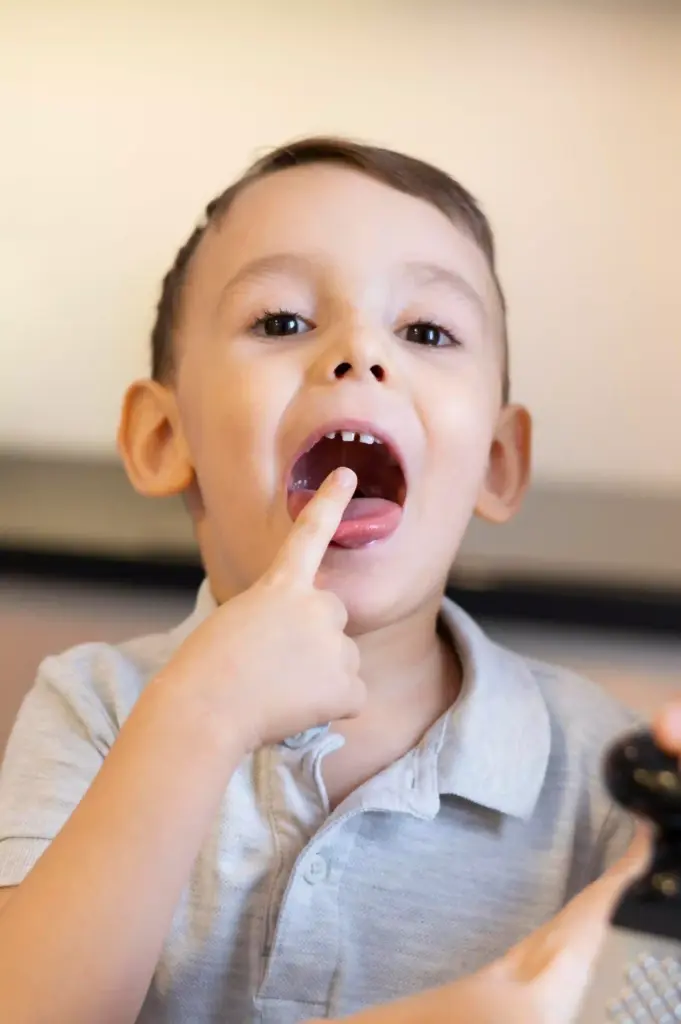
Following are some of the most well-known strategies that parents use that are effective in relieving the pain:
- Cold teething rings or chilled (not frozen) fruits in a mesh feeder
- Gently massaging the gums with a clean finger or gauze
- Pain relievers like infant ibuprofen or acetaminophen (always check with your pediatrician first)
- Extra snuggles and patience — sometimes that’s the best medicine
Never allow items that can be harmful to newly formed teeth or prompt choking hazards to be there.
Are 2-Year Molars Important?
Yes, of course! These molars need to help your child chew solid foods effectively and aid the development of facial muscles, proper speech, and jaw alignment. Further, they act as a stopgap for the permanent teeth in the future of the childhood phase.
Healthy second molars now mean fewer orthodontic issues in the future. These are indeed “baby teeth,” but they do considerable heavy work.
Does My Child Require Treatment for 2-Year Molars?
It is necessary to arrange the visit for the first dental examination of your child at the age of 1 year or not later than 6 months from the first tooth—whichever comes first. However, if your toddler shows:
- Prolonged teething pain
- Swelling that doesn’t go away
- Trouble chewing or swallowing
- Signs of infection or abscess
… immediate contact with the pediatric dentist becomes necessary. Regular checkups guarantee that the primary molars are erupting properly and not misaligned.
Self-help Recommendations for 2-Year Molars
Your brushing schedule should start right after the appearance of the molars. Do it in the right way:
- Take a toothbrush with soft bristles and a smear of a grain-sized amount of fluoride toothpaste
- Brush twice a day, especially after the evening snack
- Your child needs to be taught to spit, not swallow the toothpaste
- Sticky treats and sweet juices that stick to your molars should be avoided
The trick is to use songs, timers, or allow the kid to choose their brushes.
Will 2-Year Molars Grow Out?
Yes, they will, but the process may take quite a while. Usually, the shedding of the second molars occurs between 10 and 12 years old, and thus, these are the teeth that last for the longest time. They should, therefore, be maintained well!
In Summary: Healthy Molars Are a Sign of a Healthy Toddler’s Teeth
Although at first it could look like teething would never let up, the breakthrough of 2-year molars signifies the end of the rollercoaster. This milestone is significant in dentistry, and it reveals the perfect time to arrange a clinic meeting with a professional who manages your child’s dental health.
The Lema Dental Clinic in Istanbul, Turkey, is a friendly place where families and babies (toddlers) are treated gently with great care. We are fully aware that baby teeth need special care – that’s why our pediatric dental specialists are here. Whether it is the baby’s first visit to the dentist or the child’s teething period, we are with them all the time. After all, they are the ones who need our continuous support (attention, literally) during their formative years.
FAQ About 2-Year Molars
Yes, these types of teeth are large and can lead to gum soreness, crankiness, and poor sleep as a result of their eruption.
The following signs may be useful for you: abnormally exaggerated chewing, back redness, excessive salivation, and sleep fragmentation.
Appropriate pain relief, cold teething toys, and a bath in warm water can be perfect solutions to reduce nocturnal aches.
Normally, they are shed at around 10–12 years of age which also makes them the so-called ‘long-lasting’ milk teeth.