


Understanding Sensitive Teeth 😬
Do you experience a sharp pain when you eat or drink something that is hot, cold, or sweet? In case so, tooth sensitivity might be the reason, which is a recurring dental problem that is quite common and affects people all over the world. Sensitive teeth are a condition consisting in the exposure of dentin (the layer beneath the enamel) and hence leading to pain when the tooth is in contact with very hot or cold things, sugary foods, or even air.
In Lema Dental Clinic located in Istanbul, we treat patients with tooth sensitivity through different approaches until the comfort of their smile is restored. In this blog, we will explore the secrets of sensitive teeth, available treatment options, and some daily tips that will empower you not to give sensitivity any chance to interrupt your usual routine.
🦷 What Causes Tooth Sensitivity?
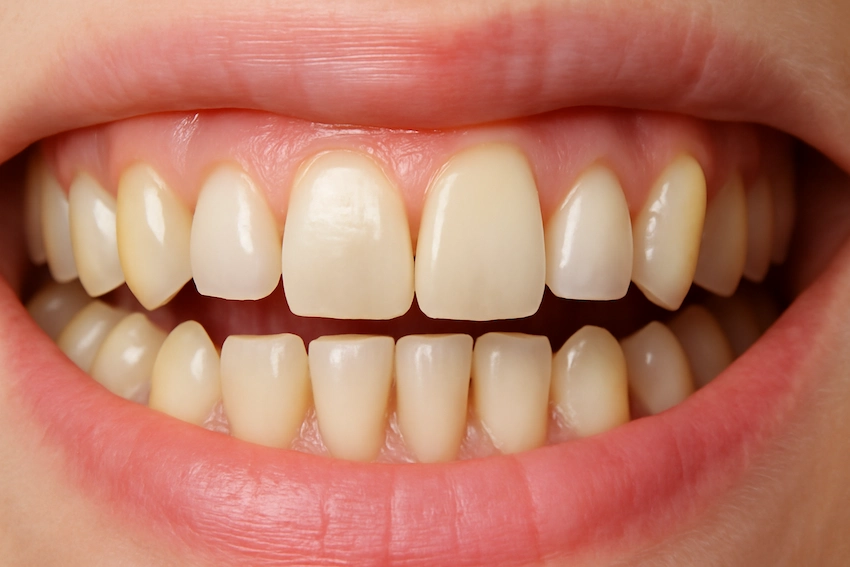
Examples of the occurrence of tooth sensitivity are diverse, yet, it is basically caused by these highlighted issues:
1. 🦷 Enamel Erosion
Enamel is the toughest, safeguard outer layer of your teeth. Eventually, your enamel can be stripped by acidic foods and drinks, brushing excessively and aggressively, and low oral hygiene. The dentin underneath is more sensitive and hence your teeth may become sensitive to hot or cold drinks, foods, or the air around you.
Lema Tip: You should combine the use of a soft toothbrush and a fluoride toothpaste to protect your enamel from further wearing out. Do not brush your teeth hard and give the enamel on your teeth time to recover naturally.
2. 🦷 Gum Recession
Once the gums pull back, the roots of the teeth that are normally covered by the enamel are revealed. As the skin on the roots of the teeth is more sensitive, gum recession is the main reason for tooth sensitivity. Issues such as periodontal disease, heredity, or the use of too much force when brushing can lead to receding gums.
Lema Tip: Along with gum grafting, regular dental check-ups play a very big role as they help find gum recession early and stop further damage.
3. 🦷 Tooth Grinding (Bruxism)
Night teeth grinding should have been people that is what bruxism is. Pressure put on enamel by constant grinding can wear it down and expose dentin. Bruxism can, over time, lead to sensitive teeth, side and headache, and even fractures of the teeth.
Lema Tip: If you are a night grinder, the custom night guard that is made is going to protect your teeth as well as relieve the pressure on your enamel.
4. 🦷 Cracked or Chipped Teeth
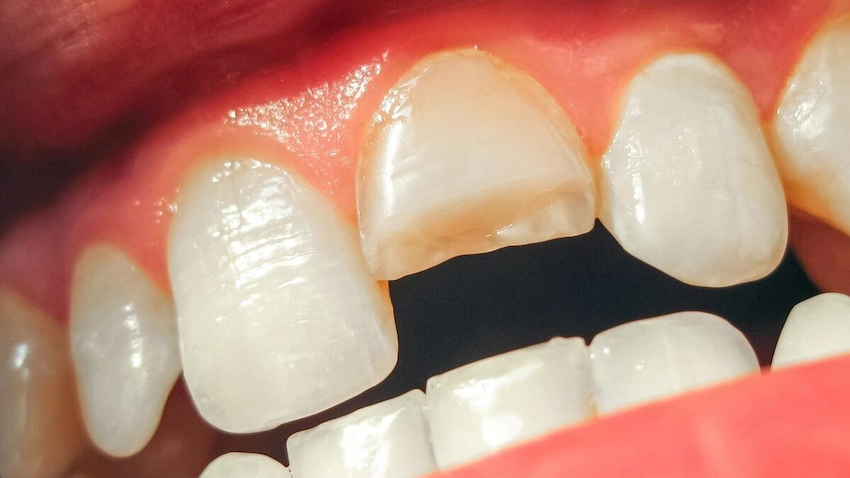
The cracks and fractures in teeth may lead to sensitivity as the dentin is exposed. Teeth can be cracked due to injury, decay, or bruxism and the cracked areas can cause discomfort when eating or drinking.
Lema Tip: Through fillings, crowns, or bonding a dentist can take care of cracked or chipped teeth and at the same time decrease tooth sensitivity.
5. 🦷 Dental Procedures
Some dental treatments such as teeth whitening, fillings, and crowns might lead to temporary sensitivity. The sensitivity that happens after these procedures is mostly in a case of temperature changes or pressure. This is mostly a short stage and the adjustment will bring the sensitivity to an end.
Lema Tip: If you are experiencing sensitivity for a long time after a dental procedure, you should consult your dentist for a follow-up to make sure that the healing process is complete and everything is fine.
Sensitive teeth can be treated in different ways, depending on the root of the problem:
1. 🧴 Desensitizing Toothpaste
One or two of the components in the toothpaste for sensitive teeth are potassium nitrate and stannous fluoride. They assist in the prevention of the signals that travel through the nerves to the brain and cause the pain. The main thing that one must do is use this kind of toothpaste frequently during the first two weeks to get full relief.
Lema Tip: When you are brushing your teeth, try to be gentle.
Be careful not to scrub hard because it will make your sensitivity get worse.
2. 🦷 Fluoride Treatments
Fluoride strengthens enamel and at the same time, it forms a protective layer on the sensitive parts of your teeth. Your dentist will be the one to put on a fluoride varnish or he/she can suggest a fluoride toothpaste that can take the sensitivity away gradually.
Lema Tip: Fluoride is excellent for patients with the situation of the enamel being worn out and the sensitivity of the teeth is in the early stage.
3. 🦷 Dental Sealants
Dental sealants are thin films that are glued to the chewing surfaces of the back teeth to keep out plaque and bacteria. Besides that, they can be the source of a reduction of sensitivity due to deep intrusions in the teeth.
Lema Tip: Speak to your dentist about sealants if you have very deep molar ridges that are close to the nerves, and they make you sensitive.
4. 🦷 Root Canal Treatment
If the sensitivity of your tooth is painful and the cause is nerve damage along with the infection, then a root canal intervention is the way to go. It gets rid of the infected pulp and also tightens the tooth so that no other problems can happen.
Lema Tip: Besides making a tooth that has a severe condition of destruction, root canal therapy also can be a source of pain and sensitivity relief, thus saving the tooth.
🦷 How to Prevent Tooth Sensitivity
Even though some reasons for tooth sensitivity, such as heredity, are inevitable, it is still a consolation that most instances can be prevented if proper care is taken. Below are safeguarding/tooth care tips:
1. 🪥 Brush and Floss Regularly
Brush and floss at least twice a day. One cannot do without the other if plaque, the main cause of most oral diseases, is to be completely removed. Use a soft toothbrush and fluoride toothpaste to clean your teeth gently.
Lema Tip: Do not forget to floss in between your teeth every day as this is the only way to reach the areas not accessible by toothbrush bristles and where food particles get trapped.
2. 🧴 Use a Desensitizing Toothpaste
If the sensitivity is severe, a dentist may recommend special toothpaste like Sensodyne or Colgate Sensitive Pro-Relief to be used for a couple of weeks. In time, these pastes will work to cover the dentinal tubules as well as ease the nerves.
3. 🍏 Eat a Balanced Diet
Consuming dairy products and other foods fortified with vitamin D along with phosphorus and calcium will help to rebuild enamel and prevent cavities. Citric fruits/succulent juices and sweetened snacks such as biscuits, soft drinks, and even jams will contribute to decay in the long term-release of enamel.
4. 💧 Drink Water and Stay Hydrated
If drinking water is difficult for you, try to drink more. It is really very important for you to drink enough water. Water helps get rid of acids and small food pieces in our mouths. Drinking a lot of water also lets our bodies produce saliva, which is the mouth’s natural protector against acids and the main source of healthy teeth.
5. 🚭 Quit Smoking
Cigarette smoke irritates the tissues and is a major cause of periodontal diseases such as gingivitis and periodontitis which expose tooth roots and cause sensitivity. Moreover, it ages your teeth and gives you bad breath. If you cannot stop smoking altogether, try to cut it down gradually to get healthier gums and teeth and less sensitivity.
🏥 Why Choose Lema Dental Clinic for Sensitive Teeth?
We at Lema Dental Clinic in Istanbul are committed to the treatment of tooth sensitivity and deliver personalized care to our patients as a result of which they are able to maintain their oral health. Here is the list of reasons that will help you decide on Lema:
- Highly skilled medical staff who are concentrated on the prevention of oral diseases as well as on the treatment of sensitive teeth.
- The use of cutting-edge treatment methods, such as root canal, dental sealants and fluoride varnishes.
- Individualized care plans that are developed on the basis of your oral health and sensitivity to different types of food.
- The most up-to-date technological tools have been utilized to both diagnose and treat sensitive teeth.
It is our responsibility to carry out our duties to ensure that you feel comfortable and we guarantee that you will always smile without pain for a long time. 💙
🌟 Final Thoughts: Keep Your Smile Healthy and Comfortable
Tooth sensitivity is one of the Worst Things that can happen to anyone, however in a simple way, it is treatable and manageable. Regular dental check-ups and using the right products along withd personalized treatments at Lema Dental Clinic can not only help you from sensitivity but also maintain the health of your teeth and gums.
Book the time of your visit now and let us take care of your smile so that it can remain bright, comfortable and healthy for a long time! 😁✨
Tooth sensitivity occurs when the dentin (inner layer of your teeth) becomes exposed due to enamel erosion, gum recession, or tooth grinding.
Use desensitizing toothpaste, apply fluoride treatments, and avoid acidic foods. Your dentist can also apply sealants to protect sensitive areas.
In some cases, sensitivity can be reduced with fluoride treatments and good oral hygiene, but severe cases may require root canal treatment.
Not always. Sensitivity can be caused by worn enamel, gum recession, or tooth grinding, but cavities are a possible cause. Regular dental check-ups are necessary to diagnose the issue.
While treatments can significantly reduce sensitivity, proper care and preventive treatments can manage and minimize the effects of tooth sensitivity over time.
References
Tooth Sensitivity and Enamel Erosion
Peumans, M., De Munck, J., & Van Meerbeek, B. (2005). A review of the longevity and performance of direct composite restorations. Dental Materials, 21(6), 542–559. https://doi.org/10.1016/j.dental.2004.11.003
Tooth Sensitivity Treatments
Clark, D., & Smith, R. (2018). Clinical evaluation of patient-reported discomfort during composite resin bonding procedures. Journal of Esthetic and Restorative Dentistry, 30(4), 345–352. https://doi.org/10.1111/jerd.12425
Gum Disease and Sensitivity
Esposito, M., Grusovin, M. G., Polyzos, I. P., Felice, P., & Worthington, H. V. (2010). Interventions for replacing missing teeth: Antibiotics at dental implant placement to prevent complications. Cochrane Database of Systematic Reviews, (7), CD004152.

