


Let’s Talk About Gum Disease and Implants 😬
In a short period, dental implants have managed to grab the attention of people as one of the top options in a row to fill the gap of lost teeth. In addition to being strong, natural-looking, and made to last for a lifetime, they don’t fail to impress. But, if you have a current case or have had oral gum problems in the past, maybe it would be a good idea to ask this question:
Can implants be done to me? 🦷
We can only say that the tiding is in your favor. If you have gum disease, you can still get a dental implant. However, it’s more involved, and you’re not quite ready to do it yet. First, you have to admit all required steps and wear the safety belt during the journey to the dentist’s chair.
The content of the following post is about how gum disease can influence the success of an implant, what one should do to prepare for implants, and how Lema Dental Clinic in Istanbul can guide through these movements in a safe and reliable way. 🏥
🦷 What Is Gum Disease?
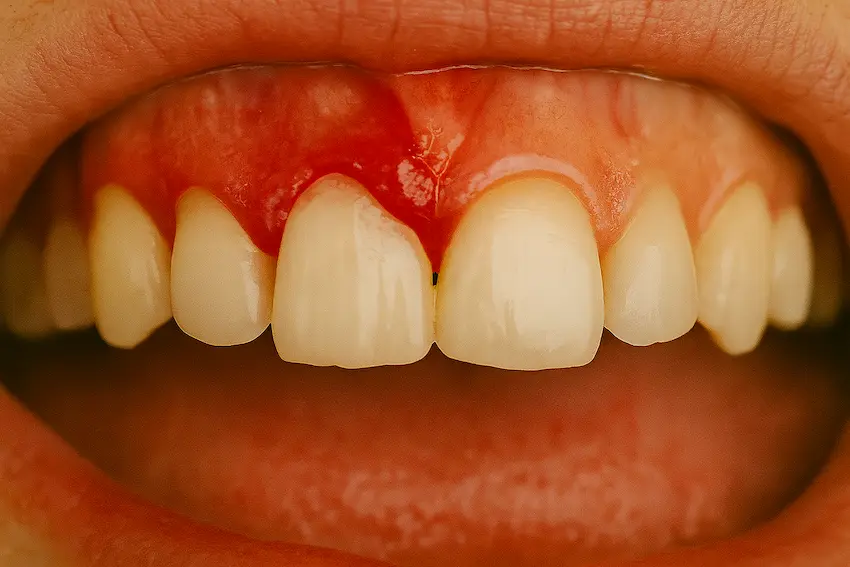
Gum disease (periodontal disease, in other words) is an ailment that affects the gums along with the tissues and bones which support your teeth. Usually, it starts as gingivitis—the active phase of gum disease which comes with:
- Redness
- Swelling
- Bleeding gums while brushing or flossing
Without any treatment, gingivitis may develop into periodontitis that the infection is able to penetrate deeper into the gums and bone and cause:
- Gum recession
- Tooth mobility (loose teeth)
- Bone loss
The disease you have in your gums makes the parts of your gums and the bones surrounding the affected teeth vulnerable and can be the source of dental implant failures in this way. Nevertheless, don’t be disheartened; it’s not that you have no options, only a few. Extra steps need to be taken to ensure a satisfactory outcome.
🧑⚕️ Why Does Gum Disease Affect Dental Implants?
Implants are dependent on both healthy bone in the jaw and gums for the fixture to be firm and long-lasting. Having gum disease can:
- Impair the jaw, the bone structure supporting the teeth through which the implant will merge, in this way it will be less strong to combine well with the implant
- Trigger gum recession resulting in implant exposure to infection potential
- Cause bone loss as a result of which the implant may get loose gradually
In a few words: Healthy gums and bones are a must for the implants to take root well. If there aren’t, the implantation can lead to failure and you could end up with more oral health damage.
✅ Could You Possibly Get Implants If You Had Gums Disease?
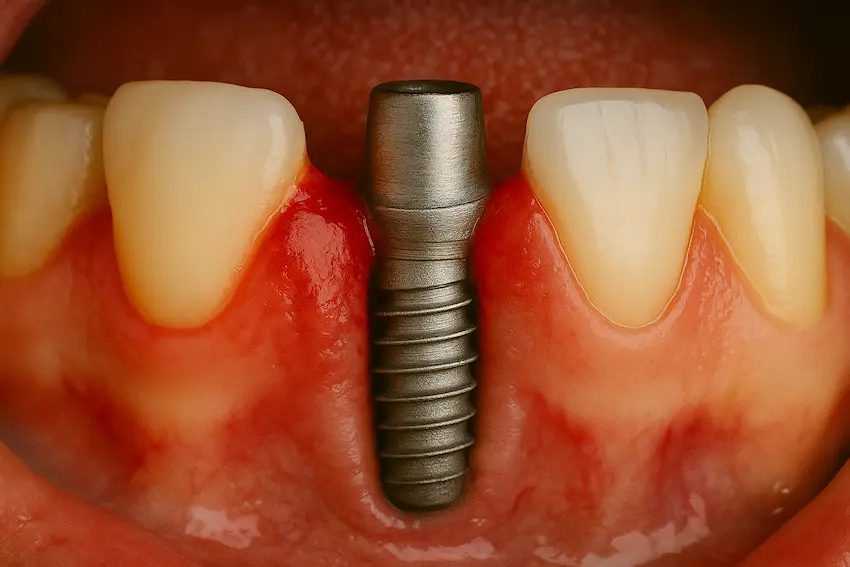
The answer to this is a conditional yes. It is very much dependent on the gum condition. After treatment of your periodontal disease, when your gums and bones revert to being healthy, then you can introduce dental implants.
On the other hand, the situation may still be reversed by a healing process only if the patient is prepared for the surgical treatment of the soft tissues and the insertion of the dental implants as a second phase, following the complete periodontal treatment.
We will now look at the stages when the treatment is realized:
1. 🦷 First, Treat the Gum Disease
The first act of the dentist when placing dental implants without delay is the treatment of the gum disease. This usually involves:
- Scaling and root planing (deep cleaning) to remove tartar, plaque, and bacteria from under the gum-line
- Antibiotics to lower inflammation and fight bacteria
- If there is substantial bone loss or gum recession, implants can be inserted with graft materials such as bone or gums
Should an infection be very intense, Lema Dental Clinic may suggest other periodontal treatments so as to get your gums back to the best condition before proceeding with the implants.
2. 🦷 Ensure Adequate Bone Density
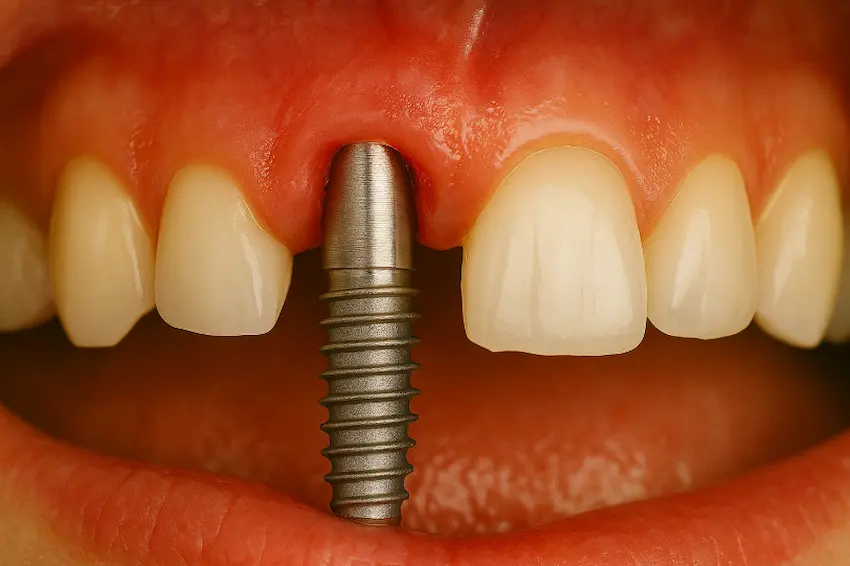
If the implant is to be successful, the jawbone must be solid enough to hold it. Bone loss is just one of the side effects of periodontal disease that is not treated and the implant, if the bone around the teeth is too weak, will not properly integrate.
Lema Tip: The procedure known as bone grafting may be needed to regenerate the lost bone tissue if there has been bone loss. A few months can be the time for this process, but it is with you that it helps to have a strong base for the implant.
3. 🦷 Post-Treatment Monitoring
The dentist after the treatment of the gums and the stabilization of the bone stores the progress made before he inserts the implant. The healing period is very important in order to have the gums and bones in the best state for the implant.
The implant procedure is once everything is healed and the gums are healthy!
🏥 How Lema Dental Clinic Helps You Get Implants with Gum Disease
Lema Dental Clinic, on the other hand, is well known for the work it does in the restoration of its patient’s smiles, even when gum disease is present. The process realizes with the professionals who understand how to do it and are extremely patient with you. In the end, it will be the dentist who will perform the implant on your jawbone, which is in perfect condition.
Here’s How Lema Can Help You:
- Comprehensive Exam: The initial stage is a thorough assessment of the health of your gums, the structure of the bone, and your general oral health. We utilize digital X-rays and 3D imaging to develop an accurate treatment plan.
- Periodontal Treatment: Our team of specialists in periodontics treats gum disease with the help of the latest technology which consists of deep scaling, root planing, laser therapy, and even gum grafting, if required.
- Bone Grafting: If your bone has gone away, then a bone graft can be prepared to increase the bone amount and give the implant the necessary support.
- Implant Placement: After the gums and bone are healthy, we employ digital technology to perform your implant just right, thus ensuring that the fit is perfect.
- Recovery & Aftercare: Our staff gives you special aftercare directions to speed up your healing process and to keep the health of your implants for a long time.
💡 Tips for Preventing Gum Disease and Maintaining Healthy Gums
If your implant has been put in, the next step is taking good care of the gums and teeth which will enable the implant to last for a long time. This is the way to keep your gums healthy and check the occurrence of new problems:
✅ 1. Brush and Floss Daily
To keep away plaque and bacteria from your gums, it is required to brush twice a day and floss once. Besides brushing, cleaning the implants, gumline, and the rest of the teeth is a must. 🪥
✅ 2. Use Antibacterial Mouthwash
Mouthwash is one of the tools which can bring down bacteria and inflammation; therefore, it can be easily accommodated into one’s oral hygiene routine. 💧
✅ 3. Visit Your Dentist Regularly
Doing checkups and cleanings on a regular basis is the key for implants to last and for gum disease not to occur. In every visit, the dentist will be on the lookout for infection signs, gum recession, or implant issues. 🩺
✅ 4. Avoid Smoking
Smoking has a negative impact on the body in that it slows down healing, brings about infection risk, and results in gum disease. If you want to maintain the health of both your implants and gums, stop smoking forever. 🚭
✅ 5. Eat a Healthy Diet
Eating a well-balanced diet that includes lots of fruits, vegetables, and calcium-rich foods is the support for your gums and bones. Do not consume sugary snacks as they produce bacteria that infect your mouth. 🍎
🧠 Final Thoughts: Your Smile Is Worth the Effort
If you have gum disease and are afraid of getting dental implants, you should know that it is not too late for you to improve your gums and have the smile you want.
Our specialists at Lema Dental Clinic in Istanbul are experienced in the treatment of gum disease and the placement of implants, which means that your smile will be healthy, functional, and beautiful for a long time.
So if you have gum disease and you are thinking about implants, don’t delay, make an appointment today and take the first step towards a healthier, happier smile! 😁
Yes, but gum disease needs to be treated first. Once your gums and bone are healthy, implants can be successfully placed.
Treatment time varies based on the severity of gum disease. It could take a few months to get your gums and bone ready for implants.
Untreated gum disease can cause implant failure, infections, and damage to surrounding teeth and gums.
Yes! Bone grafting can restore lost bone and make it possible to place implants.
With proper care, dental implants can last 20 years or more.

