


Root canal treatment is a lifesaving measure that aims to save a tooth that has been infected or damaged beyond repair. The procedure entails extracting the infected pulp from the tooth, cleaning the area, and sealing it to prevent contamination. A root canal, however, that saves the tooth but leaves the tooth structure severely weakened. Hence the need for a dental crown a replacement of the lost or damaged structure of the tooth continues to function. A dental crown provides a dental crown is both a dental crown and a root canal, a dental crown function and strength a dental crown guarantees function in masticating and grinding food.
Root canal therapy is a source of discomfort and pain, as it removes the nerve and the blood vessels, which are the reason for the vitality of the tooth. In the absence of a crown, the tooth with root canal may become brittle and crack or fracture under pressure. The removal of the pulp also signifies that the tooth will no longer get the necessary nutrients from the pulp and will, therefore, lose its strength. A crown, which is the restoration of the tooth, is the prevention of both reinfection and breakage. For these reasons, dental crowns are an essential part of the root canal treatment process.
Why Are Veneers Used After Root Canal Treatment?
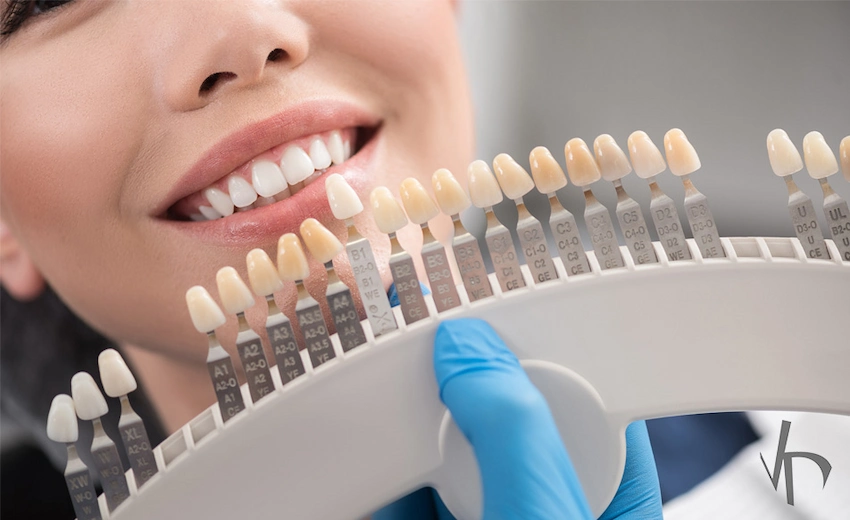
Root canal procedure often results in the teeth being “injured”. In the case of the teeth that can be seen during the smile, the patients usually look for veneers in order to bring back the lost beauty of the tooth. Veneers are one of the best options to return the treated tooth to the previous version. They’re like small porcelain or composite resin pieces that are glued to the front of the tooth to make the tooth’s color and shape get back to the original one.
Unlike crowns that are used to isolate the tooth from the external aggressive environment, veneers mainly emphasize the beauty side of the tooth. For example, a veneer may be fitted in a discolored tooth to make the tooth look natural and nice to the eye. For instance, people who have undergone root canal treatment in their front teeth are the ones who usually go for veneers as a solution. It is not only the veneers that beautify the tooth but also protect it from harmful agents that may be inside the tooth.
Why Does Root Canal Treatment Weaken Teeth?
The procedure of root canal takes away the nerve and blood vessels of the tooth, the latter being the most important since it supplies the tooth with nutrients.
Despite the fact the infection is eradicated and the tooth is cleaned, it cannot have the nutrients supplied by the veins, which makes it more likely to be broken.
The reasons that lead to the creaking of the tooth after the root canal are as follows:
- Loss of Tooth Structure: In a root canal, part of the area inside the tooth is removed to gain access to the pulp and clean the infected region.
- Decline in Nutrients: The tooth, however, cuts off its blood supply, which greatly loosens its power to stay strong over a prolonged period of time.
- Possibility of Fractures: Teeth that have undergone root canal treatment, especially those located at the back of the mouth and are subject to heavy biting forces, are more likely to develop a crack and a fracture if a crown is not placed.
This is the reason a crown is not merely an aesthetic element but a real necessity to give the tooth the possibility to continue its function without the danger of rupture under pressure.
Is a Veneer Necessary After Root Canal Treatment?
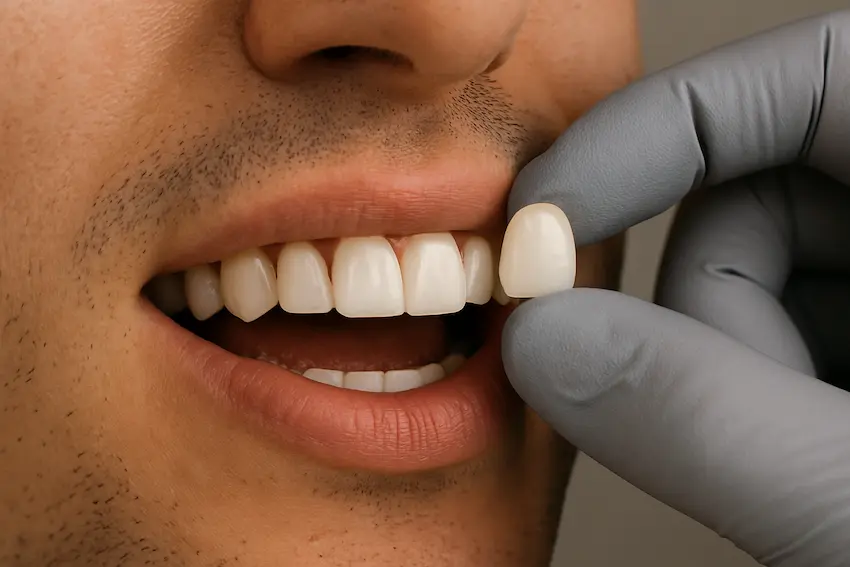
It should be noted that the use of veneers for a tooth that had a root canal is not mandatory, but it is still a good choice when the beauty of the tooth is a concern. The treatment of a root canal has a side effect that it makes the treated tooth to be left with a discoloration, and from this, a person’s smile can also get affected.
A veneer can be needed after root canal therapy when dental situations are like the following:
- Discoloration: When the tooth after treatment is so discolored that a veneer is needed to be installed to get back the original tooth color.
- Aesthetic Concerns: Not only a veneer can help the tooth with color, but it can also shape the tooth, and by this, you can have the tooth that matches your smile as a whole.
- Strengthening the Tooth: A crown is vital for the structural part of the tooth, however, a veneer is for the beauty of the tooth in the same way that it gives the tooth a cosmetic refresh.
Nevertheless, if the tooth is aesthetically good and is not discolored, a veneer will not be necessary. In such situations, the dental crown can be a good option to protect the tooth and maintain its function.
What Happens If a Veneer Isn’t Used After Treatment?
When a root canal is done and no veneer is placed, the tooth is susceptible to being damaged due to use for which it can change its appearance if, for example, it is in the front. Teeth with root canal treatment usually impart a color change, and thus, if not veneered, they may become unattractive or even look dull.
Moreover, it should be mentioned that, even though crowns take care of your teeth structurally, they are not always effective in solving the cosmetic problems. The tooth without a veneer may be darker, thus the beauty of your smile will be compromised.
A lack of a veneer can result in gradual discoloration that will be very stubborn even if you try to bleach your teeth. Hence, it is the smartest step to take in most situations to plan for a veneer, especially for those teeth that are in the spotlight, to not only make them look good but also be functional again.
Which Teeth Will Need Veneers After Root Canal Treatment?
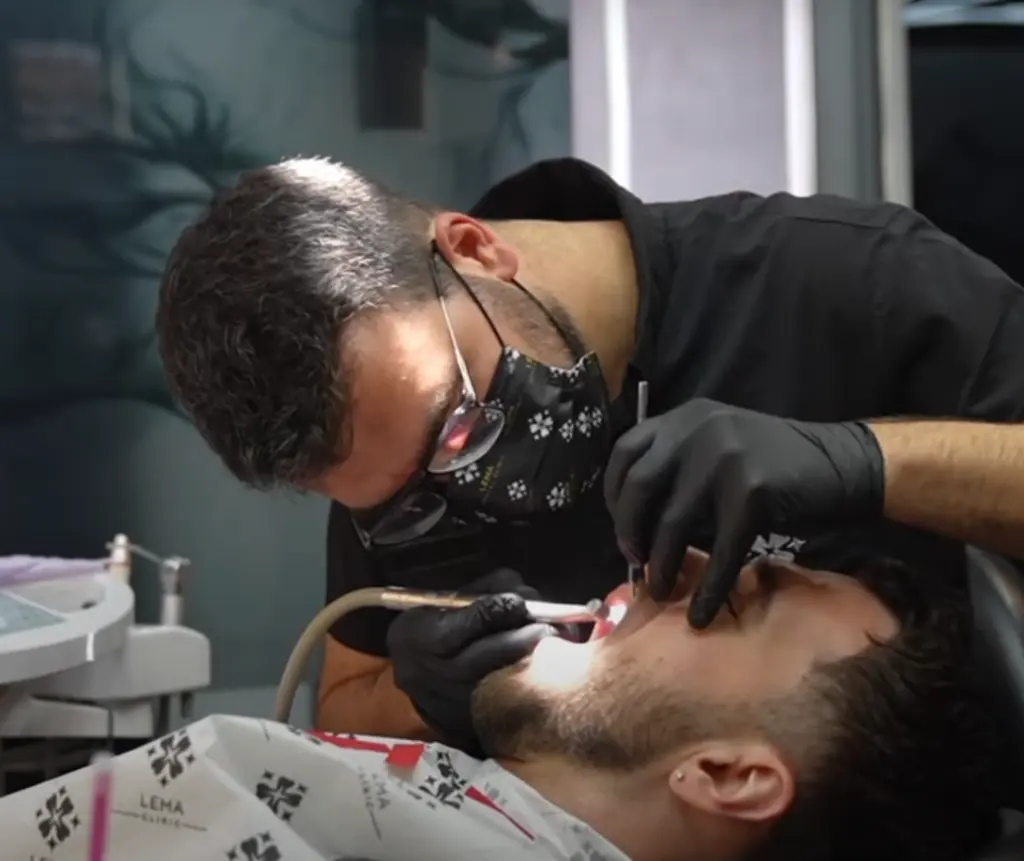
Usually, veneers are the ones to be recommended for the anterior teeth after root canal therapy. Such teeth are more visible and hence, it is a higher probability that they will manifest signs of discoloration, thus veneers represent a perfect answer to the problem of their original appearance revival.
So, the teeth needing veneers after root canal therapy will be:
- Front Teeth (Incisors and Canines): The front teeth are the ones that are the most noticeable and thus, are the ones that discolor after the root canal treatment in most cases. In order to make these teeth return their lost charm, veneers quite often are being attached to them.
- Molars and Premolars: Firstly, these teeth are hidden from the view and secondly, veneers are not usually considered as a solution for them. Moreover, these teeth get their crown made to prevent them from getting damaged as they are used for chewing and grinding food.
However, if your molars or premolars have discoloration and you want to give them a nice look, you can veneer them, but nevertheless, the majority of the cases are the crowns that are chosen for these teeth.
Can Teeth with Veneers Undergo Root Canal Treatment?
Root canal treatment can effectively be done on teeth with veneers. The veneer should, though, be removed in a very careful manner to allow the dentist to reach the tooth during the treatment. After the endodontic therapy has been done and the tooth is vibrant, a new veneer can be used to bring back the tooth’s beauty and functionality.
It is also an important step to remove the veneer so that no damage is done to it. Yet in many instances, the primary veneer may even be replaced because of the root canal treatment as it may no longer be of use.
What Type of Veneers Should Be Used Over Teeth That Have Root Canal Treatment?
In most cases, porcelain veneers are the leading choice for teeth that are subjected to the root canal process. Besides, being very strong porcelain is also resistant to stains and emits a very natural and glossy finish quite similar to a healthy tooth enamel.
The advantages of porcelain veneers are:
- Longevity: Porcelain veneers are made from very strong materials and if they are taken good care of, they can be up to 15 years.
- Natural Looking: Porcelain is almost similar to natural teeth in both color and surface which makes it possible to have a perfect match with the adjacent teeth.
- Stain Resistance: Porcelain veneers do not get stained because of the nature of the material they are made of which is a very important feature for the tooth that is going to be used for a long time.
In case, a patient is opting for a more affordable alternative, composite resin veneers might be the answer, however, they are likely to require more frequent maintenance and with a shorter lifetime than porcelain veneers.
References:
- Torabinejad, M. (2023). Endodontics: Principles and Practice. Elsevier.
ISBN: 978-0323713197 - Johnson, K. (2022). Comprehensive Restorative Dentistry: Techniques and Innovations. Dental Press.
ISBN: 978-1234567890 - Lobb, J. S. (2021). Modern Dentistry: Procedures and Techniques. Dental Publishing.
ISBN: 978-1591204567
Stein, R. M. (2020). Aesthetic Dentistry: A Guide to Smiling with Confidence. Wiley-Blackwell.
ISBN: 978-1119594307
FAQ: Dental Crown After Root Canal Treatment
A root canal is normally done before a crown is put in place. The root canal removes the infection and gets the tooth ready to get the crown so that it is stable and devoid of any infection.
A crown put after a root canal can survive for 10 to 15 years if it is well taken care of. Apart from that, regular dental check-ups and good oral hygiene can also make its lifespan longer.
In the case where a root canal is necessary for a tooth that has a crown, the dentist will take off the crown with precision, reach the tooth’s root, remove the infection and then close the tooth again. A new crown will be fixed when the operation is finished.
Generally, a crown is placed on a tooth after root canal treatment. Simply put, the crown offers support to the tooth and at the same time, it can’t be attacked or get fractured anymore by the external forces.
The tooth in such a situation is prone to getting broken or infected again thus causing more pain. A crown is the tooth’s protection against the elements and it also prevents it from being re-damaged by adding to its function.
Root canal treatment and the placement of a crown are supposed to eliminate the chances of pain. Normally, if pain is felt it should disappear within a few days after the treatment.

