


One common concern is the capability to bite less even with a large number of teeth. If you realize that you cannot bite or chew even though you have a full set of teeth, there is a high chance that you are facing a misalignment problem or a dental condition that is hidden.
Finding out how this illness started and taking the right measures is part of the healing process of the organ and the maintaining of the proper functions of the body.
What Does It Mean to Have Many Teeth But Not to be Able to Bite?
In the event that you claim to have many teeth but still cannot bite, the most probable reason may be you dont have aligned correctly teeth. Teeth misalignment, jaw problems, and some dental diseases are the main reasons that the person may have a problem with biting, even if no teeth are missing.
The problem, in most cases, is that it is not only the lack of the ability to chew but also the subsequent discomfort or other oral health issues that you are unaware of.
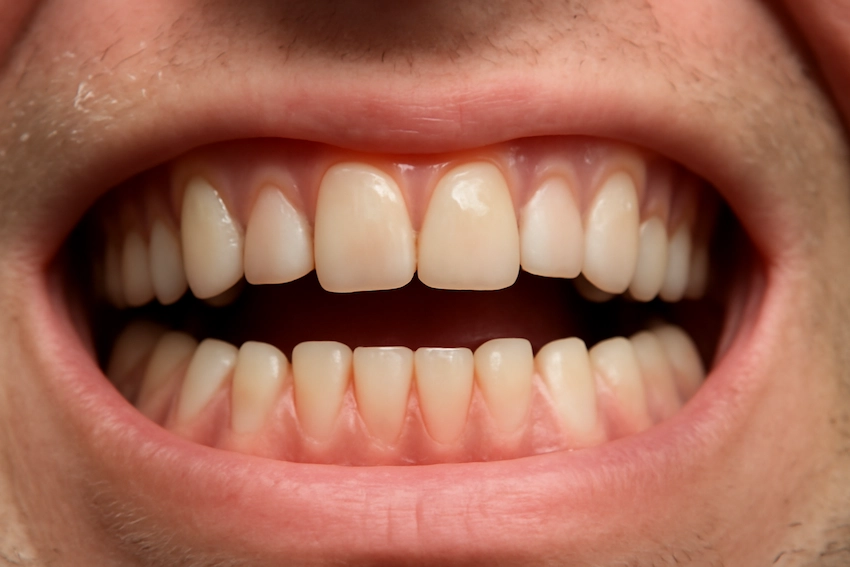
There could be a situation in which a person has a full set of teeth but, for some reason, the individual cannot bite or chew properly. The main cause of this could be a malocclusion that is an improper way of biting. The issue is that the upper and lower teeth don’t match.
Causes of “Many Teeth but Cannot Bite”
One may wonder why it is that a person with the most teeth cannot bite properly. The following are among the most common reasons for that to happen:
- Overbite or Underbite: These are two conditions in which the upper or lower teeth that rest against each other do so in an excessive overlapping manner. It is not surprising that if the teeth are not in line at the time of closing your mouth, then it would be difficult for you to bite or chew in an effective way.
- Crossbite: A crossbite is the condition where the lower teeth are located outside of the upper ones. Due to this improper alignment, the person might not be able to bite or chew properly.
- Jaw Issues (TMJ Disorder): An issue with the jaw that leads to its improper functioning or being off the correct position is the cause of discomfort and difficulty in biting. Temporomandibular joint (TMJ) disorders are the problems with the joint that links the jaw to the skull, thus causing trouble in movement.
- Tooth Loss or Wear: Dentures or worn down teeth can a cause to a difficult proper biting. It is like you have a full set of teeth but you have some broken ones.
- Teeth Grinding (Bruxism): The habitual grinding or clenching of teeth, especially when one is asleep, not only can make the teeth to become worn down but can also cause their misalignment which will in return make biting a difficult task.
How Can You Correct “Many Teeth but Cannot Bite”?

If you cannot bite, and you still have many teeth, then based on the underlying cause, you can choose from a variety of treatment methods:
- Dental Crowns and Fillings: The combination of tooth wear and dental restorations through crowns can not only make the teeth the proper size but also allow for better biting.
- Jaw Surgery: In the situation where the condition of the jaw is unbalanced and the disorder of the temporomandibular joint is very severe, the jaw surgery might be the solution that will shift the jaw to the rightful place and thus will allow the bite to work properly again.
- TMJ Treatment: The physical therapy, medication, and mouthguards utilized in treating TMJ-related issues are some of the methods that lead to pain relief and bite function enhancement.
- Dental Bridges: Dental bridges are the missing teeth that complement the lost tooth(s) and improve the chewing ability by restoring normal bite function.
The dentist or orthodontist’s visit will not only help you identify where exactly the problem is(why you cannot bite) but also the smartest way of solving it to be at your disposal.
Preventing Bite Issues in the Future
future
The following measures will help you avoid future bite problems like you cannot bite and keep your oral function intact:
- Maintain Good Oral Hygiene: Brushing and flossing on a regular basis not only takes care of your cavity and gingivitis but also the alignment issue caused by them.
- Wear a Mouthguard: A night guard will stop the Tooth grinding process resulting in the protection of the teeth as well as jaw alignment.
- Regular Dental Checkups: Frequent appointments with your dentist are the best ways to ensure any bite problems or jaw issues are identified in time and treated.
- Deal with Jaw Problems as Soon as Possible: Dental care will be the answer for you, if there is discomfort in your jaw, you have difficulty chewing, and there is a clicking sound, to keep away these problems becoming serious in the future.
FAQ About “I Have Many Teeth but Cannot Bite”
Malocclusion is a case when the teeth are out of alignment or have an improper bite. In such a situation, it might be hard to use the teeth for biting, chewing, or speaking.
Yes, orthodontic braces, traditional metal braces as yet concise being called clear aligners or invisible braces serve much to correct malocclusion in young people and adults respectively to bring great improvement in the entire dentition and facial contour.
Not really. Discomfort while biting might signal hidden problems with your teeth such as cavities, gingivitis, or temporomandibular joint disorder.
Yes, a dentist or orthodontist can definitely evaluate your bite and suggest the right treatment that may include braces, dental work, or TMJ therapy.
With proper care such as a divisor, a mouthpiece and following the dental routines prescribed by your dentist, you can avoid the chances of having bad bites and dental irregularities.
References:
American Dental Association. (2022). Bite problems and dental treatments.
Mayo Clinic. (2022). Malocclusion: Causes and treatments. Retrieved from https://www.mayoclinic.org
WebMD. (2022). How to treat jaw and bite issues. Retrieved fromhttps://www.webmd.com/oral-health

