Bone loss in teeth, also called alveolar bone loss, is the phrase used to describe the continuous wearing away and collapsing of the physical bone material of the bone in the place where the teeth are situated. Mainly, this problem is connected to the loss of gum tissue due the periodontal disease, poor dental cleanliness, and some health disorders. This is going to result in tooth mobility at first, and then your teeth may be endangered if the cause is not eliminated in time. Knowledge of the reasons and threats of bone loss gives you the ability to take preventive action to protect your oral health.
Why Did It Happen?
There are numerous things that are linked to bone loss, such as:
- Periodontal Disease: Generally, bone loss around teeth is the result of this. More precisely, inflammatory and infectious processes in the gums are the signs of the periodontal disease that, when it comes to the final state, can erode the bone supporting the teeth, so that it is not there.
- Poor Oral Hygiene: Not washing and using toothpaste properly can result in the buildup of a thin film of bacteria that leads to dental plaque formation, which later is the main reason for the gum disease itself that eventually causes bone loss.
- Genetics: Some persons may have the possibility of bone loss as a hereditary feature, which would be characterized by the mentioned signs and, typically, a predilection towards periodontal disease as well as other diseases in the oral cavity.
- Age: The progression of age is accompanied by the fact that the bones gradually become thinner, and in general, there is a decrease in bone density. This includes the decrease in the jawbone, which is a natural structure for tooth attachment.
- Smoking and Tobacco Use: Tobacco smoking leads to the narrowing of the spaces carried by the vessels of the gums, by which we need the blood to flow in order to be able to fight off infections, and for the process of wound repair to be enabled; thus, the risk of bone loss may become more significant.
- Hormonal Changes: The decrease in the levels of a few types of hormones, as it happens in the case of menopause, can result in bone loss in teeth as well as in people who have osteoporosis.
- Diabetes: Uncontrolled diabetes suppresses the body’s infection-fighting ability, leading to a likelihood of an increased susceptibility to both gum disease and bone loss.
How to Prevent Bone Loss in Teeth
Preventing bone loss in teeth can be done by sticking to good oral care habits and making necessary changes in the way of life. Here are solutions to protect your teeth and gums:
- Regular Brushing and Flossing: Schedule two times every day for toothbrushing and make sure to include flossing once each day in your routine, to achieve antibacterial and antiseptic effects on plaque-occupied areas and to completely remove the plaque and the bacteria between teeth and from the puffy areas of gums.
- Regular Dentist Visits: Dentists are available for regular dental check-ups every 6 to 12 months, when they will conduct cleaning procedures to help them identify any signs of gum disease and bone loss in the initial stage, so that the condition can be treated right away.
- Do Not Smoke: The habit of smoking and chewing tobacco brings about the most common risk factors for gum disease and bone loss. The action of quitting can greatly reduce the chances of these problems arising.
- Have a Good Diet: Healthy bones and gums are well supported by the intake of a diet that is not lacking in calcium, vitamin D, and other essential nutrients.
- Control Chronic Conditions: Proper management of diseases such as diabetes can aid in the prevention of the loss of bone in your teeth.
- Use Mouthwash: The use of a mouthwash with antiseptic properties can help to fight those bacteria that are the main reason for gum disease.
Bone Loss in Teeth Treatment
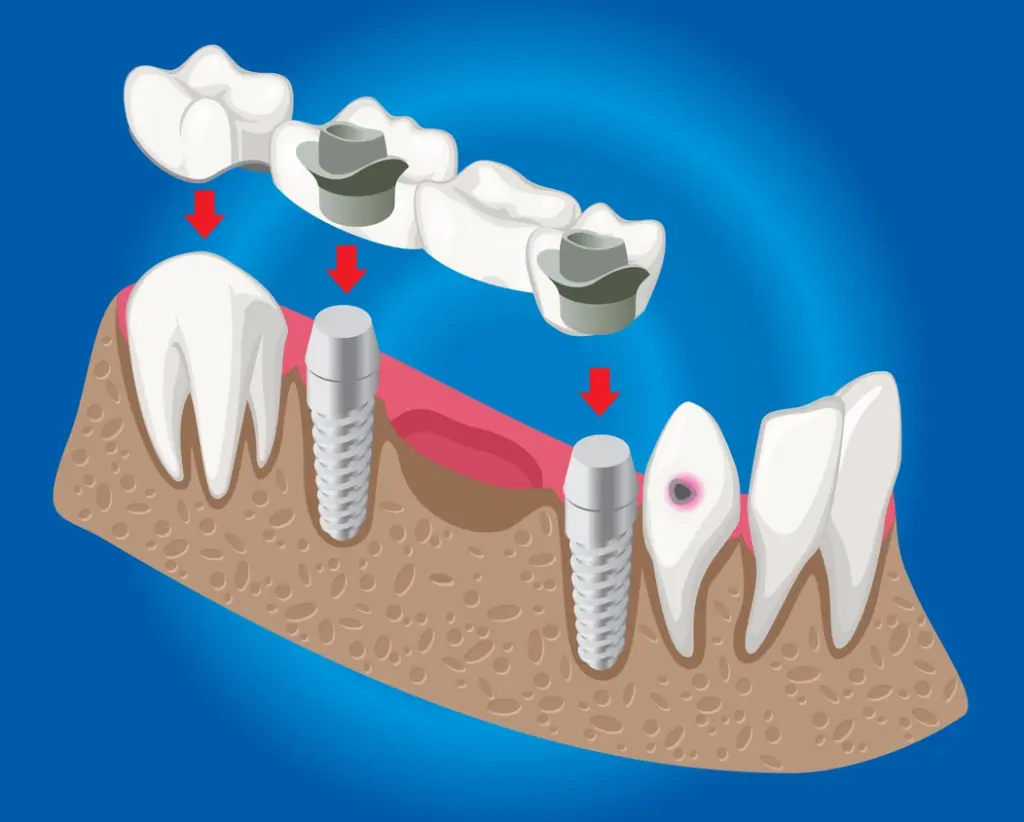
Treatment for bone loss in teeth is going to vary depending on how extreme the condition is. If it is detected early and the necessary preventive measures are in place, bone loss can cease, and the health of the teeth and gums can be rejuvenated. A couple of the available options for treatment are listed below:
- Scaling and Root Planing: This process is a major cleaning action that involves the removal of plaque and tartar from below the gum line, a major contributor to stopping further bone loss.
- Antibiotics: The medication that is used to stop and decrease the infection and gum inflammation.
- Bone Grafting: This is the surgical procedure whereby a bone graft will be used to rebuild the weakened jawbone caused by massive bone loss.
- Dental Implants: With bone weakening as a result of tooth loss being the major reason to opt for dental implants, a dental implant can be an ideal choice for filling in missing teeth so as to restore comfortable usage of the mouth.
- Guided Tissue Regeneration: It is a method that takes advantage of a special membrane to facilitate the process of regeneration of the bone and recovery of the tissues surrounding the problematic tooth.
Treatments for Bone Loss in Teeth
Below are some of the treatments that have proven to be effective in not only fixing the lost bone but also stopping further bone loss:
- Bone Grafting: This is a medical procedure of taking a piece of bone from one’s body and placing it in the jawbone to make the teeth stronger, and thus one of the few denture alternatives, no doubt the best.
- Platelet-Rich Plasma (PRP): Platelet-rich plasma (PRP) treatment is a process in which a patient’s own blood is drawn to heal the tissues and, at the same time, regenerate the bone that is around the teeth.
- Laser Therapy: The use of lasers on the damaged tissues is another option that can assist in the healing of the bone and the new tissue, thus eliminating the need for the surgical intervention step of the process.
- Antibiotics and Medications: Local or systemic antibiotics can be helpful in moderating the extent of gum infection and thereby minimizing the degree of inflammation in the bone, and hence, supporting its integrity.
Before and After Bone Loss in Teeth
Initially, the teeth are kept in position by healthy gums and solid bone. However, as the jawbone deteriorates, the teeth become loose and unstable, which can result in eventual tooth loss. Early detection, with effective treatment such as bone grafting, scaling and root planing, or regenerative therapies, can prevent or reverse jawbone.
The treatment that is more effective dramatically enhances the patients’ gum health and bone density, resulting in the repair of their teeth and the maintenance of oral health over time.
FAQs About Bone Loss in Teeth
Tragically, a maximum restoration of bone mass by natural processes is not possible when the bone loss has already occurred. Nevertheless, there are some measures you can take to prevent further bone loss and promote your skeletal health. According to the new research, regular brushing with toothpaste that contains fluoride, making sure the diet is made up of food with a high content of calcium and Vitamin D, and not smoking are the primary means of keeping safe and sound.
One way to stop the loss of bone in teeth is to continue good oral hygiene, such as brushing your teeth with fluoride toothpaste at least twice a day, flossing once a day, and visiting the dental office for regular check-ups and cleanings. Quitting tobacco, ways of controlling chronic conditions (like diabetes), and eating a diet with enough calcium and vitamin D can also help you avoid bone loss.
Yes, there are dental procedures that can help reduce tooth bone loss. In a simple bone-loss situation, such as in the early stage, the scaling and root planing (a thorough cleansing), antibiotic therapy, and lifestyle modification will be enough. In more extreme situations, the treatment methods, such as bone grafts, tissue guide regeneration, and getting dental implants, might be necessary choices to restore the lost bone and keep the teeth stable.
Teeth that are dangerously loose or that are moving too easily, gums become swollen, or they start to bleed, experiencing tooth sensitivity, and a change in the way your teeth fit together while biting are the four most common signs of bone loss in teeth. Dental care should be sought at the earliest opportunity if those symptoms are noticed, so as not to allow the problem to worsen and further increase the known consequences.