It can become very unpleasant for you to discover that your teeth are chipping. This fairly common dental issue can be a result of several factors, from physical trauma to bad oral habits or even underlying health conditions. If you detect chipped teeth, you should make an effort to identify the cause in case further destruction is to be prevented and the problem is removed in a timely manner. In this blog post, we will examine the most prevalent causative agents of chipped teeth: a decrease in their number, and your options if you have chipped teeth.
Why Are My Front Teeth Chipping?
The prominence and everyday forces they usually stand against commonly render front teeth as the most susceptible teeth to chipping. There are quite a few factors leading to the chipping of your front teeth:
- Physical Trauma or Injury: Oral trauma, accidents, and sports impacts may mean that the front teeth are chipped. The typical result of a blow or a surface of teeth is a chip on the edges or corners of the teeth.
- Biting Hard Objects: Consuming hard foods, like ice, nuts, or hard candy, by biting down on them, can be a potential cause of the chipping of your front teeth. This situation is quite common in people with pre-existing dental problems.
- Tooth Decay: Cavities can cause the internal structure of teeth to become weak, more prone to chipping. When the tooth decay advances, the tooth will become much weaker, and such instability can lead to cracks or chips.
- Bruxism (Teeth Grinding): The continual act of clenching or grinding your teeth while asleep or when feeling agitated may result in the breakdown of the enamel, thus, the breaking of the teeth becomes easy. The teeth can also be reduced to a certain degree of flexibility and become very brittle.
Aging: As we grow old, the natural process of the wearing down of the enamel occurs in the mouth, making it vulnerable to damage. At the same time, the teeth may wear down and become more fragile.
Why Do My Teeth Keep Chipping?
If you often face the problem of your teeth chipping, then it is very important to find out the cause of it and not only repair them but also be aware of preventive actions. Here are some of the possible reasons why your teeth might still chip:
- Bruxism (Teeth Grinding): Just to emphasize once more, teeth grinding is one of the major causes of chips that occur frequently. The regular pressure that is experienced due to the habit of teeth grinding or clenching is the prime factor in the enamel being slowly worn down and chipping appearing after the process.
- Weak Enamel: Enamel that stands to be weak. In this case, some people simply have teeth of lower quality, so their enamel, being the outermost part of the tooth, is most likely to get chipped off. Factors like heredity, regular nutrition are not forgotten, and let’s also not forget the deficiency of fluoride, which is the major reason that puts our enamel in danger of being lost.
- Poor Dental Hygiene: Lack of good dental hygiene or not maintaining one is a factor that increases the likelihood of plaque formation, giving birth to cavities, and consequently, the enamel will be weak enough to get chipped. A situation in which the dental condition worsens only brings a possibility that the tooth will be under pressure from eating, and in the end, it gets damaged.
- Dietary Habits: Besides food, the enamel can also be eroded by acidic drinks such as lemonade and cola, which, together with the soft drinks and other food items that are also citrate in nature, cause the enamel to chip, exposing the teeth. Another instance is when people, mostly kids, show a habit of nibbling non-edible things such as pencils, finger nails, ice, etc., which are the long-standing causes of chipping the tooth.
- Dental Restorations: Dental work like fillings, crowns, or other types of dental modification is usually prone to chipping. Loose alternations and the aging of restorations can cause tooth chipping.
How to Stop Your Teeth From Chipping
If you want to be sure that your teeth never chip and are always healthy, then the following preventative measures could be a good starting point:
- Wear a Mouthguard: Athletes who play contact sports and people who have the habit of grinding at night can benefit from a mouthguard, which will protect the teeth from injury and thus avoid chipping.
- Avoid Hard Foods and Objects: It is very important to be aware of your lifestyle as far as eating is concerned, and thus you have to stay away from hard foods like (for example, ice) and hard candy and also not chew on items such as pens and fingernails food remnants.
- Maintain Good Oral Hygiene: If you brush your teeth twice a day with fluoride toothpaste and floss daily to remove plaque, your dental health is sure to stay perfect, and you will never get cavities. Furthermore, routine dental visits are very important for the preservation of your teeth, as well as the possibility of the discovery of dental issues in their early stages.
- Control Teeth Grinding: If bruxism is your problem, then you should have a frank conversation with your dentist so that together you can come up with ways to manage teeth grinding. A custom nightguard is an effective product to wear as it shields your teeth from the pressure generated due to friction.
- Professional Dental Care: If your teeth are too fragile and tend to break easily, your dentist can prescribe a number of dental treatments to protect the teeth, such as dental bonding, crowns, or veneers to fix the form and strengthen the teeth.
What to Do if Your Teeth Are Chipping
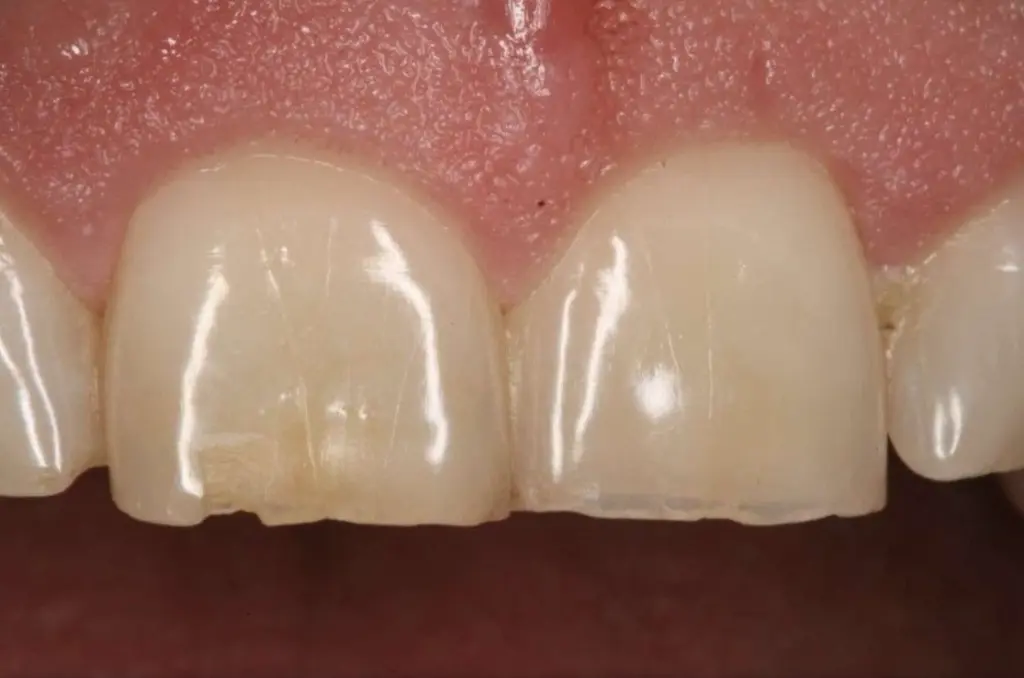
If there are chips in your teeth already, one of the first steps should be to visit a dentist for an assessment of the damage they have caused as soon as possible. The ways your dentist will remove the issue will depend on the extent of the chips:
- Bonding: In the case of minor chips, there is always dental bonding available as a good way to fix the teeth. This is done by applying a resin that is the same color as the teeth to the affected area.
- Veneers: In cases where the damage is serious, dental veneers could be a better option for the coverage of a tooth that is chipped and the restoration of its appearance.
- Crowns: Where the damage is immense, the tooth might have to be protected with a dental crown to the fullest extent against any further damage.
- Filling or Restoration: Restoration or filling may be obligatory if the dental chip is big or the tooth pulp is exposed. This action taken will impede decay and help maintain the structural integrity of the tooth.
Final Thoughts
Chipping a tooth is a common problem but taking the necessary steps can prevent it from happening and also get rid of it. At Lema Dental Clinic, our team of professionals is ready and available for you to ensure that your teeth remain healthy and robust and to respond to any of your issues, like a chip. If you have chipped teeth, please don’t hesitate to book an appointment for professional treatment and personalized care.
FAQs About Chipped Teeth
Teeth can chip for many reasons, ranging from damage to biting hard foods, tooth decay, or bruxism (teeth grinding). More to that, age and poor oral hygiene can cause enamel to weaken, thereby making the teeth brittle and susceptible to chipping.
To ensure they do not succumb to chipping, it is advisable to suppress the urge to chew on ice or pens, use a mouthguard when you grind your teeth, and maintain good oral hygiene, such as brushing and flossing the teeth regularly. Moreover, do these and stay away from foods that are hard or sticky, coupled with paying your regular visits to a dental clinic for checkups.
If your tooth is broken, don’t be the hero; go to the dentist to fix it quickly. Based on the extent and the damage of the chip, your dentist may suggest dental bonding, veneers, or crowns as the appropriate treatment.
The tooth does not grow again after it has chipped. And even though the dental professional can use dental bonding or cosmetic treatments to handle small chips, in the case of more serious damage, it may require more invasive dental procedures, such as crowns or veneers, for the tooth to be fully functional and restored to its original shape.