


The 5 Countries with the Worst Oral Health
When it comes to maintaining good oral health, some countries face more challenges than others. A range of factors—including dietary habits, access to dental care, and even cultural practices—can impact how well people care for their teeth. The Global Oral Health Survey has given us a deep dive into the state of oral health across different nations. Some countries are falling behind in the fight against tooth decay, gum disease, and other dental problems. So, which nations are struggling the most when it comes to taking care of their teeth?
The most notable countries with the worst oral health tend to have high rates of untreated cavities, widespread tooth loss, and a lack of preventive dental care. Countries like the United States, Mexico, and several nations in Eastern Europe have alarmingly high rates of oral health problems. Factors like poor dietary habits, lack of regular brushing, and limited access to quality dental care contribute significantly to these issues.
However, it’s not just about brushing your teeth; many people in these countries may also suffer from poor nutritional choices, leading to conditions like gum disease and tooth erosion. In contrast, countries like Switzerland and Finland have low rates of these problems due to better access to dental care, preventive measures, and healthier lifestyles.
Which Countries Have the Most Oral Health Problems?

Oral health problems like cavities, gum disease, and tooth loss can be a serious issue, and some countries are more prone to these issues than others. According to the Global Oral Health Survey, countries that are known for higher rates of sugary diets and poor oral care habits see significantly more dental problems. The United States, for example, has long been associated with a high consumption of sugary snacks and sodas, leading to a greater prevalence of cavities and gum disease.
Similarly, in many Latin American countries such as Mexico and Brazil, there are high rates of untreated tooth decay and missing teeth due to a combination of poor dietary habits and limited access to dental professionals. In Eastern Europe, countries like Romania and Bulgaria have high rates of tooth loss and gum disease, often due to economic struggles that prevent people from getting regular dental check-ups and treatments.
On the flip side, Scandinavia—countries like Sweden, Norway, and Finland—report fewer oral health problems. These countries tend to have well-established oral health systems that encourage preventive care, early intervention, and education, resulting in a population with healthier teeth.
Which Countries Are Most Forgetful About Brushing Their Teeth?
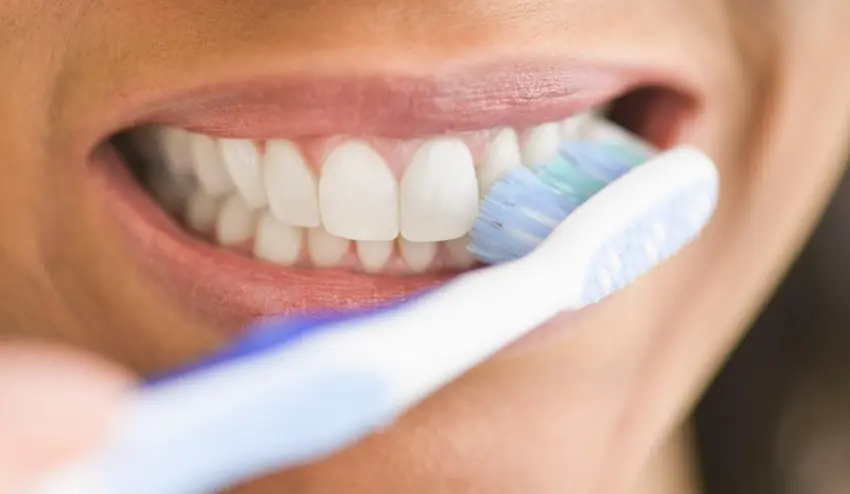
One of the simplest ways to prevent oral health problems is by brushing your teeth twice a day. However, this basic habit isn’t always followed by people across the world. According to the Global Oral Health Survey, countries like India and Indonesia have some of the lowest rates of regular tooth brushing. This can be attributed to cultural factors, lower access to dental hygiene products, and a lack of education on the importance of daily brushing.
In countries like Japan, while the overall dental care is quite good, the habit of brushing twice a day is not as ingrained in the daily routine as in Western countries. Studies have shown that Japanese citizens brush their teeth less often compared to their European counterparts. Forgetting to brush leads to tooth decay, gum problems, and bad breath. This highlights the critical need for public education about the importance of regular oral hygiene in maintaining healthy teeth and gums.
On the other hand, countries with stronger public health campaigns, like Switzerland, Germany, and the Netherlands, see very high rates of tooth brushing. These countries have made significant investments in dental care education, resulting in a population that understands the value of brushing twice a day to keep their teeth healthy.
Which Countries Have the Fewest Oral Health Problems?
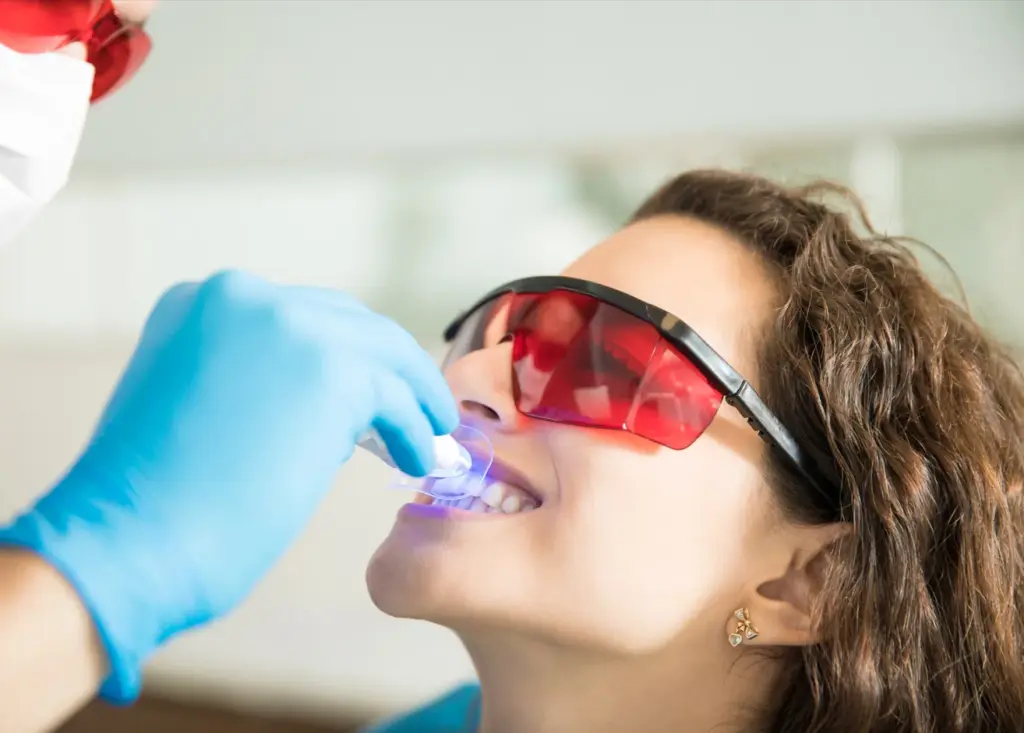
While there are many countries grappling with oral health issues, there are also nations where dental problems are far less common. Countries like Switzerland, Finland, and Sweden consistently rank among the healthiest in terms of oral hygiene. Why? Well, it’s not just about brushing—it’s about access to dental care, the culture of preventive health, and the importance placed on oral health education.
In Finland, for example, there is universal access to dental care, meaning that everyone, regardless of income, can see a dentist for regular check-ups and treatments. Similarly, in Sweden, public health initiatives have prioritized preventive care, such as fluoride treatments and early education on oral health, leading to one of the lowest rates of tooth decay in the world.
Countries like Denmark and Norway also rank highly for oral health, largely due to strong health systems and high standards of living. These countries have invested heavily in dental care, leading to fewer dental problems and a population with healthier teeth.
Oral Health Statistics by Country
| Country | Oral Health Rating | Common Problems | Percentage of People Brushing Daily |
| United States | Poor | Tooth decay, gum disease | 70% |
| Mexico | Very Poor | High cavity rates, poor access to dental care | 50% |
| Switzerland | Excellent | Low cavity rates, strong dental education | 90% |
| Japan | Moderate | Gingivitis, missing teeth | 60% |
| Finland | Excellent | Very few oral health issues | 85% |
| India | Poor | Bad breath, cavities | 45% |
Which Countries Are Most Satisfied with Their Teeth?

The ultimate sign of good oral health is how satisfied people are with their smiles. In countries where people feel confident about their teeth, cosmetic dentistry is often more accessible. According to the Global Oral Health Survey, countries like the United States, Australia, and Brazil have some of the highest levels of satisfaction with their teeth, thanks to widespread use of cosmetic dentistry options like veneers, implants, and the Hollywood Smile.
In the United States, for example, the rise of cosmetic dentistry has made it easy for people to achieve the perfect smile. Treatments like porcelain veneers and dental implants are becoming increasingly popular, not just for fixing dental problems but also for enhancing one’s appearance. The growing demand for a Hollywood Smile has prompted many people to consider cosmetic procedures that can improve both the look and the function of their teeth.
In Australia, people also report high satisfaction with their smiles, with dental veneers and whitening procedures being popular options for those looking to enhance their teeth. Brazil, known for its love of beauty and aesthetics, also ranks high in satisfaction with dental care, with many people opting for cosmetic dentistry to get a picture-perfect smile.
If you’re looking for a Hollywood Smile makeover, Lema Dental Clinic in Istanbul, Turkey offers top-notch treatments that can transform your smile. Whether you’re considering veneers, implants, or a complete smile makeover, Lema Dental Clinic provides world-class care at affordable prices.
FAQ: The 5 Countries with the Worst Oral Health
Countries like Switzerland and Finland have the healthiest teeth thanks to their advanced dental care systems and healthy lifestyles. These countries are notable for their low rates of tooth decay and strong dental hygiene habits.
Bad breath is common in many Eastern European and developing countries, often due to a lack of regular tooth brushing. Furthermore, a lack of access to dental care and healthy eating habits are also significant.
Countries like the US, Mexico, and India have very high rates of cavities. Frequent consumption of sugary foods and poor dental hygiene are major causes of tooth decay in these countries.
Dental health issues differ between the UK and the US. While the US has higher rates of cosmetic dental treatments, the UK generally has lower rates of tooth loss and cavities, particularly in low-income areas.
Countries like Sweden, Finland, and Japan are generally among the best in the world. Healthy dental habits and access to quality dental care are common in these countries.

