


Apply denture adhesive in small dots or strips on clean, dry dentures, away from the edges.
The truth is, removable dentures are often one of the main causes of frustration and discomfort at every moment. One moment, you could be digging into a tasty meal. The next one, the abrupt fall of your dentures makes you lose your self-esteem. Do you think you are the only one who is dependent on pastes and powders to keep your teeth in place?
But if we talk about these little things, then the application of denture adhesive is like laying paste on plastic. You have to be very precise to avoid messy leaks, and at the same time, you should take care of your whole-body health.
In our clinical practice at Lema Dental Clinic, Turkey, this is what usually happens. We have patients who overuse denture adhesive every day because they simply do not have well-fitted dentures.
Below, we will guide you step by step on how to correctly attach your dentures to your gums, and it will be the last time you need to use denture adhesive pastes.
Operation: Spot it Exactly
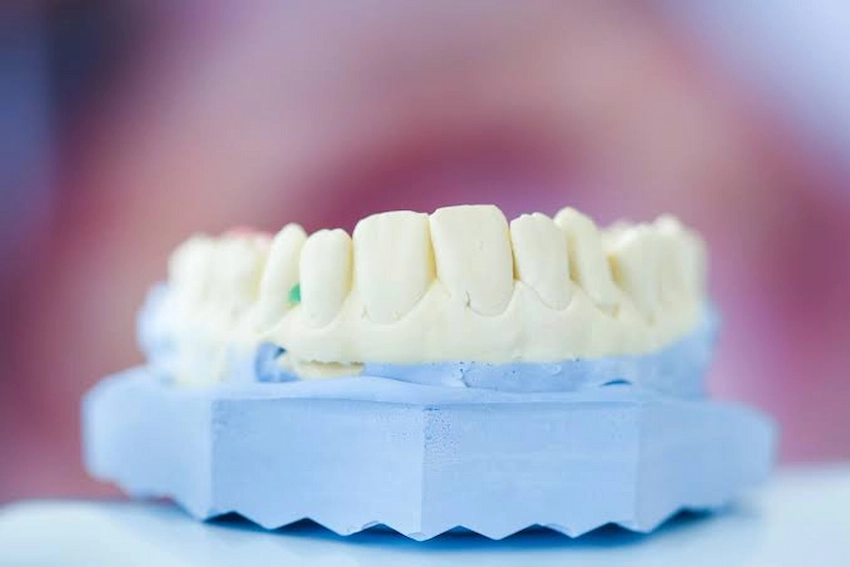
You can visualize your bone as the foundation of the building. Your denture is the house on top of it. Shrinking of the foundation will definitely cause the house to shake. This bone loss takes place naturally after tooth extraction. Adhesive works as a quick-fix mortar.
To make the seal good and without swallowing some extra paste, it is a good idea to keep in mind that less is better!
Upper Dentures
The upper plate performs a suction by the roof of your mouth.
- Clean and Dry: First, clean your denture. Then dry it thoroughly with a towel ,as the paste will easily slide off wet plastic.
- The Three-Point Rule: Just three small, pea-sized dots of paste will do.
- Exact Placement: One dot should be at the front center, right behind the three front teeth. One dot on each back side. Be careful to keep paste away from the edges so that it will not squeeze out when closing the mouth.
Lower Dentures
It is much more difficult to keep the lower jaw in place than the upper one since it does not have a wide roof for suction and the tongue is always pushing the plastic.
- The Horseshoe Line: Applying a very thin line of paste along the deep U-shape groove is the way to go.
- Avoid the Borders: Make sure that the paste does not touch the outer rims at all.
- Set the Seal: Press the denture firmly into your gums. Slowly bite down for three seconds, allowing the paste to spread well.
Disguised Results of Overdose of denture Adhesives
The question is still here: can you use these products daily without any harm?
Nowadays, denture adhesives are generally safe, especially when used in small amounts. However, excessive use could mask certain health hazards. For example, Professor Doctor Coşkun Yıldız mentions that some of his patients who have significant bone loss use very high quantities of denture adhesives. They do this only to get through a meal without pain or discomfort.
Many of the commercially available denture adhesives contain zinc, which is used for a strong bond. If you are not careful and use too much of it, you will be swallowing small amounts of zinc all the time. Over the years, this may lead to zinc poisoning, which is characterized by nerve damage, numbness in the hands, and weak muscles.
What we see here is the clinic environment. Patients come in worn-out. They have a deep hatred for the mess that occurs daily. The taste of metal is something they despise the most. Above all, the fear that their teeth will fall out while they are talking is ever-present.
Adhesives vs. Permanent Implants
| Feature | Removable Dentures + Paste | Permanent Implants |
| Bite Power | 20% to 30% of regular strength | Up to 95% of regular strength |
| Bone Health | Accelerates jawbone reduction | Helps maintain a strong and thick jawbone |
| Daily Care | Remove, clean, and glue back daily | Brush and floss just like natural teeth |
| Safety Risks | Zinc toxicity, gum soreness, infections | Well tolerated and biocompatible |
| Taste & Comfort | Covers the entire palate | The palate is completely open |
Stopping This Old Story: New Ways
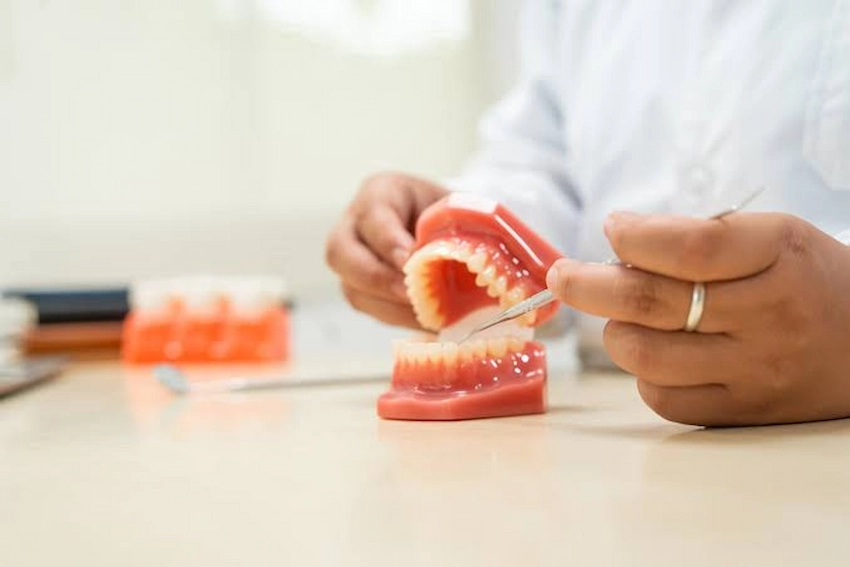
Dentures are a temporary solution. They cannot solve the problem of tooth loss.
Jawbone is a living tissue. It requires stimulation from the roots of the teeth to keep it strong. When roots are absent, the bone gradually diminishes. We call this process bone resorption. Now it should be clear to you why your dentures fit well the very first day, but become loose after one or two years.
At Lema Dental Clinic, Dentist Polen Akkılıç and our staff assist patients to get out of the adhesive reliance. Some of the advanced techniques of dental implants we use are All-on-4, All-on-6, and Zygomatic implants.
We reconstruct your new solid base. We fix a permanent Zirconium bridge directly to your bone. This way, we restore not only your smile but also your natural biting force. Going to Turkey for this treatment will put you in touch with top-notch surgeons and the most advanced dental technology. You will be able to forget the messy tubes of paste forever.
Common Questions From the Doctor’s Desk
I accidentally swallowed a denture paste, what will happen?
No worries if it is a very small amount. Your digestive system will throw it out easily. However, if you regularly swallow large pieces, then it is a sign you need help. This means your teeth are too loose. Long-term swallowing can lead to serious health problems.
Should I apply paste on wet or dry denture?
Absolutely dry them. I am telling you that water forms a barrier between the plastic and the paste. Hence, the paste will not stick. First, dry them thoroughly with a clean towel.
How can I remove sticky paste from my gums?
Being very persistent, it is a little bit difficult. For the first step, loosen it with a warm saltwater rinse. Afterwards, take a soft toothbrush with warm water. Lightly brush your gums. Never use sharp tools or your nails. You will injure your gums.
My gums are bleeding, then can I use paste?
Absolutely not! You should never do that. YYouwill be the living proof about the fact that it is definitely a bad idea. When your gums bleed, it means that the hard plastic is causing you pain in the wrong way. The paste will trap the bacteria in the cuts. Come to us, and we will fix the fit.
I apply paste three times a day. Is it normal?
No, this is a big red flag. Decent dentures should only need a single small drop of paste per day. If you keep applying it, then the bone in your jaw has definitely shrunk. It is implant time to save your jaw.
Academic References
- Al-Omiri, M. K., Sghaireen, M. G., Al-Qudah, A. A., Hammad, O. A., Lynch, C. G., & Thomason, J. M. (2014). Relationship between impacts of removable prosthodontic rehabilitation on daily living, satisfaction, and personality profiles. The Journal of Prosthetic Dentistry, 112(1), 126-133.
- Carlsson, G. E. (2014). Implant and root-supported overdentures–a literature review and some data on bone loss in edentulous jaws. Journal of Advanced Prosthodontics, 6(4), 245-252.
- Felton, D. A. (2009). Edentulism and comorbid factors. Journal of Prosthodontics, 18(2), 88-96.
- Plemons, J. M., Brogdon, C. B., & Rethko, S. (2014). The role of denture adhesives in the management of completely edentulous patients. The Journal of the American Dental Association, 145(4), 327-333.
- Zarb, G. A., Hobkirk, J. A., Eckert, S., & Jacob, R. (2012). Prosthodontic Treatment for Edentulous Patients: Complete Dentures and Implant-Supported Prostheses (13th ed.). Elsevier Mosby.

