If you have had a tooth extraction, an implant, or a gum procedure, one of the first questions will almost always be: when to brush your teeth after dental surgery? The answer is essential for a great recovery. Read more to learn more!
So, when to brush your teeth after dental surgery? The dentist, for most cases, will suggest the second day as the earliest time when the patient can start brushing the teeth but with the utmost caution and only with a soft-bristled toothbrush. Always perform the specific requirements that come from your oral surgeon.
When to Brush Your Teeth After Dental Surgery? Guidelines for Different Procedures?
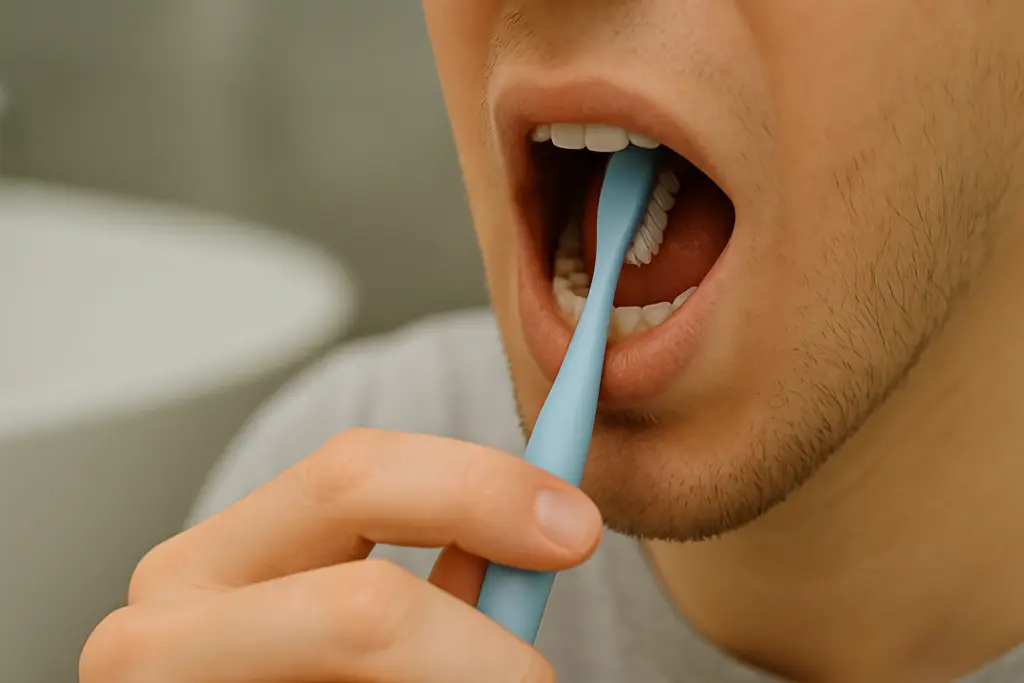
The solution to the “when should you brush your teeth after dental surgery” question depends on the surgery type as different surgeries require different care.
- Tooth Extraction: After one to two days, you can brush around the area with care. Do not try to clean the socket area for a few days.
- Dental Implants: The surgical site could be brushed half a day after the operation but with a soft brush and at no force. Employ antibacterial rinses as directed by a doctor.
- Gum Surgery or Bone Grafting: Dentists usually prohibit brushing of the surgical area for a few days and only the use of the prescribed rinses or swabs is allowed.
How to Safely Brush Your Teeth After Dental Surgery
After the green light to a proper oral hygiene routine, the issue of safe handling during the brushing of your teeth after dental surgery emerges. So when to brush your teeth after dental surgery? The main steps here are:
- A toothbrush with soft bristles should be used so that the tissue does not get inflamed.
- In case the dentist has not yet given you the ok, do not let the brush or anything else touch the wound directly.
- While you clean the surgical area, be extremely delicate and use your fingers to make the small circles.
- Do not use toothpaste in the first few days, avoid strong-flavored ones like mint or cinnamon.
- In any case, as a precaution, a manual toothbrush should be used instead of an electric one for the next couple of days.
If the question is when to brush your teeth after dental surgery, the answer is not only about the time but also the method. Forceful brushing can harm your restoration or cause other problems. On the other hand, thorough and soft brushing can prevent the development of oral diseases and yet not interfere with the mending process.
What Else Should You Do Alongside Brushing?

Proper oral hygiene during the postoperative phase of dental surgery is not only about knowing when to brush your teeth. There are also other oral habits that one could do which are less risky.
- Patients may start rinsing with a saltwater solution 24 hours after the operation unless a medicated rinse is prescribed by the dentist.
- Use of mouthwashes containing alcohol should be avoided as the healing process becomes slower and at the same time a burning sensation may occur.
- Pay attention that the tongue and cheeks are not touching the surgical site, especially during the cleaning process.
FAQs About When to Brush Your Teeth After Dental Surgery
Typically within 1-2 days, however, you should not brush directly on the stitches until your dentist permits you.
Yes, though selecting a gentle toothpaste that has no strong flavor and is non-abrasive would be a better option to prevent the irritation of your mouth.
Sure, but very carefully and only in the area near the surgery—you shouldn’t touch the wound. It is also recommended to rinse with salt wate
You risk breaking the blood clot, causing dry socket, pain, and a longer healing process.
In some cases, your dentist may suggest not brushing the area around the graft site for a few days or maybe a week.