


A dental filling is a procedure that is utilized to mend the tooth that has got little to moderate injury, normally in the form of decay (cavities), fractures, or wear.
This is one of the most common dental operations that, when performed competently, restores your tooth and keeps it from being extracted.
The question shifts to what the criteria are for its use? Here’s an easy guide through the symptoms, the causes, and why they should never be disregarded—especially if you’re looking to avoid the suffering that comes along with a root canal, or even tooth extraction.
1. You Have a Visible Cavity or Dark Spot
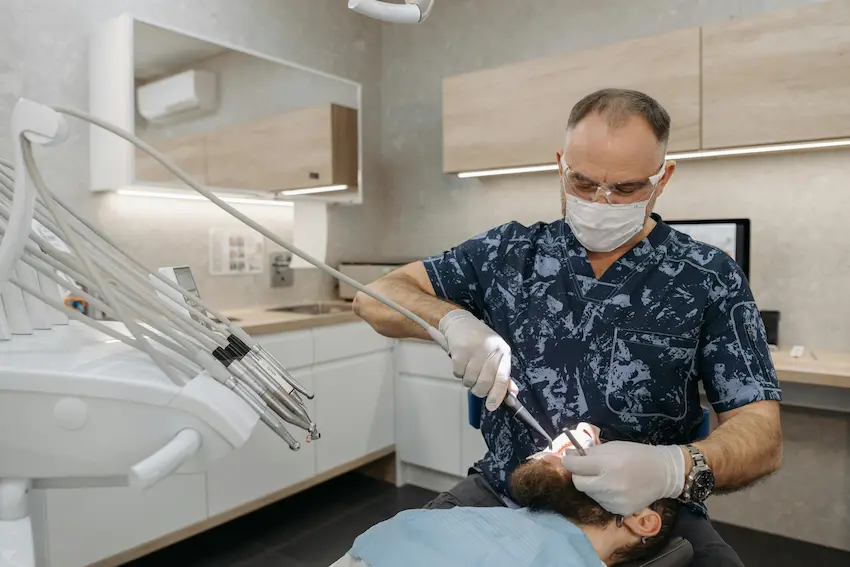
Should you notice a hole, pit, or dark-colored shade on your tooth, then it is a sign that the tooth is decaying.
The bacteria have eaten your enamel partly, and you will definitely need to get rid of the dirt in that portion and then have it filled before it turns into a deeper pit.
Putting off the treatment will result in the need for a bigger filling, which in its turn implies a bigger cost.
2. You Feel Sensitivity to Cold, Hot, or Sweet
If you are experiencing a tingling sensation, upon drinking or eating something cold or sweet, it is a sign that your tooth is not in the best of shapes.
Usually, tooth sensitivity is due to:
- The enamel being reduced
- The dentin layer getting exposed
- The cavity getting closer to the nerve
If the cavity in an area where the nerve is far, the feeling will stop quickly if the filling is done early.
3. Bleeding Gums When Brushing
Change of oral hygiene is one of the reasons why our mouths can be in poor condition. One of the signs we see is blood when we brush our teeth.
Thus, the reasons for gum bleeding may be:
- Poor oral care
- Improper way of using the toothbrush
- Inflammation
Schedule an appointment with the dentist before more serious problems arise.
Do not forget to benefit from the opportunity that a healthy mouth offers
Good oral hygiene is not enough to keep your mouth, teeth, and gums healthy. It should be combined with regular dental visits. It should also involve educating you on how to maintain your oral hygiene basics.
1. You Have a Visible Cavity or Dark Spot
If you can see a hole, pit, or brown/black mark onYou may have a cavity or a crack in your tooth if you experience pain while biting or chewing. It can also be that the cavity has already reached the nerve—and that’s a bad sign.
Early stage? Only a filling will be enough.
Are you too much late? Root canal or a crown is needed.
Do not delay.
4. Your Old Filling Is Cracked or Missing
Yes, fillings are not forever.
The case when an old filling has dropped out or broken–bacteria are allowed to re-enter and via that way new decay forms.
This is the way of Lema Dental Clinic in Istanbul to renew the worn-out fillings, the ones that get bored, with the new materials—modern, natural- looking such as the composite resin or ceramic—quickly and efficiently.
5. Your Tooth Feels Rough or Has a Sharp Edge
Decay and small lines may sometimes break a tooth and make it lose its previous smoothness.
The fact that your tongue finds a rough patch or sharp point repeatedly is a signal that it might be time for a filling.
The same thing also happens in cases where the tooth chips off—a filling can quite quickly rebuild the area.
Why Fillings Matter—Even for Small Problems
Your thought might be, “It’s really only a small cavity. I will manage it later.”
But the caries never go away by themselves.
Without the proper care, the carious formation continues to dig deeper and gets closer to the nerve and the root of the tooth, which in the long run, can cause the following problems:
- Intoxication
- Retreatment of the root
- The loss of teeth
- Broken jawbone
An early small filling is a better alternative than a late big one that will have a lot of costs.
What Happens During a Dental Filling?
The treatment is not only quick, painless, and efficient, but also ensures to be of high quality.
- Application of numb gel or local anesthetics (if needed)
- Removing and cleaning the affected part of the tooth
- Use of the tooth-colored composite to fill the area
- Shaping, polishing, and the work is done, and you are usually out in less than 30 minutes
The consequence? The smile you get looks and feels completely natural.
Why should you be the one to take action by choosing Lema Dental Clinic in Istanbul?
Because you need to:
- Receive a digital panorama that can detect caries at an early stage
- Have a teeth-colored filling that would be difficult to separate from natural teeth matching your teeth
- Certeinly be operated by specialists in the field who follow the most gentle and less invasive way of treating
- Get a quick, affordable treatment in a nice place to stay and be treated in a beautiful clinic environment
- Take care of and be handled while on your visit to Turkey and even there or anywhere else by the staff one by one and so potentially guard your health for now and in the event of future illnesses that your teeth may cause you
Lema’s dental team has been working hard on keeping your teeth and still letting you have a big say in your looks.
Conclusion: Signs—If You Miss Them, You End Up More Sick
Even if dental fillings sound minute, they are definitely not, and their vitality is vital if we want our mouths to remain healthy, free from any kind of pain, and look beautiful, including gentle hygiene routines.
Thus, if there is a problem such as sensitivity, pain, or discoloration—there is no sense in putting off your visit to the dentist.
Book an appointment now and Lema Dental Clinic’s expertise and style will help you in maintaining your healthy teeth.
If you have tooth pain, sensitivity, visible spots, or cracks, you may need one. A dental exam and x-ray will confirm it.
Nope! With modern tools and local anesthetics, it’s completely pain-free.
Composite fillings last 5–10 years or more with good oral care.
Yes—usually within an hour. Your dentist will tell you if any special care is needed.
Yes. Any decay must be treated first—veneers only go on healthy teeth.

