


Losing a tooth as an adult usually comes as a great shock. Most of the time, the cause is not just a random tooth fall-off; rather, it’s mostly the conclusion of a subtle, gradual, and silent story played out beneath the surface of the gums.
Patients have often been quite upset when we first see them with a loose tooth that they seem to have just realized losing. To a great extent, our years in Lema Dental Clinic, Istanbul, have shown us that the sudden loss of an adult tooth signals the body’s biological emergency; it can’t be ignored, it needs urgent, professional care without delay
The Root Causes: Why Do Adult Teeth Fall Out?
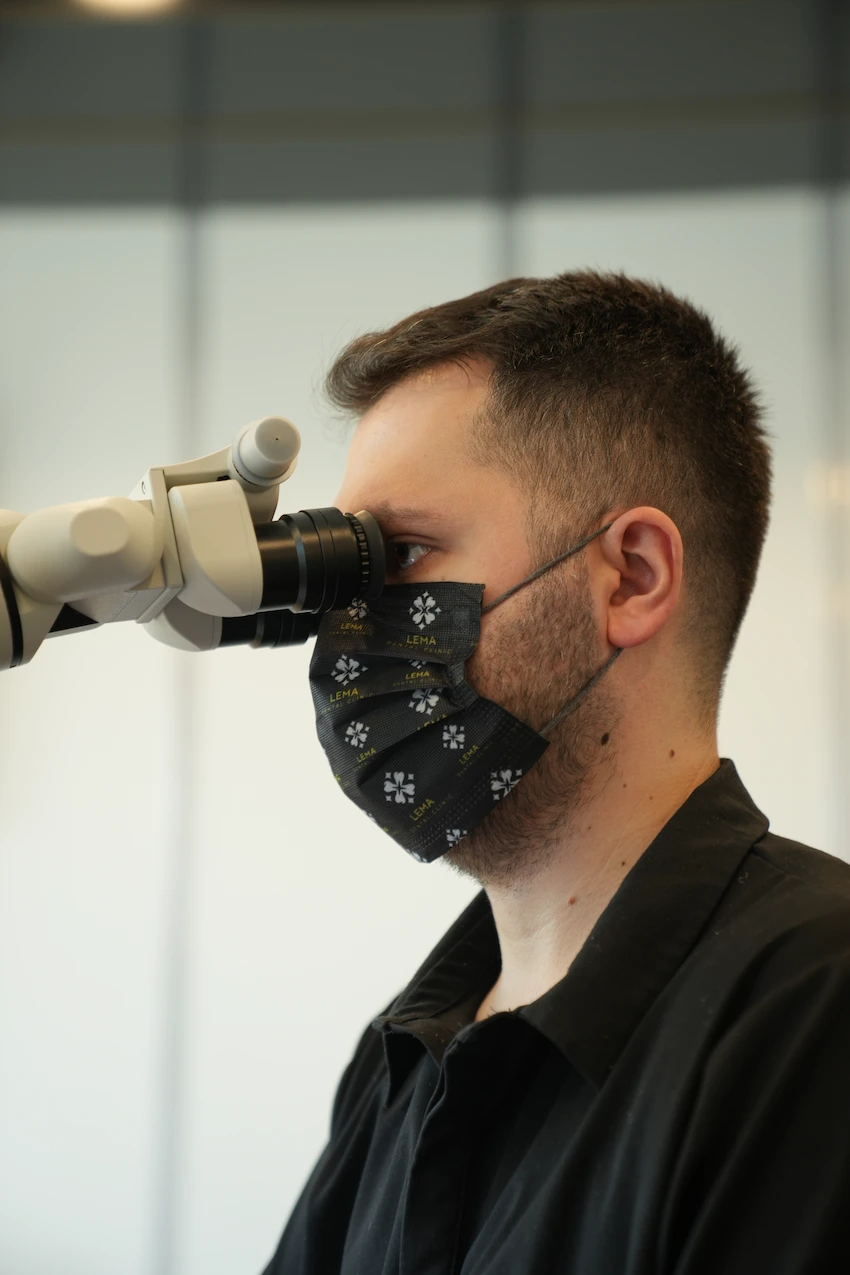
Suppose your jaw is the solid foundation of a building and a high-rise is your dentition; it only has to do that. If either the soil erodes or the concrete weakens, over time the building will definitely change and fall.
1. Advanced Periodontal Disease (Gum Disease)
Periodontitis is one of the top causes that often remains undetected and then turns out to be the killer. Once the plaque is formed by the bacteria and then gets hardened into calculus or tartar, which goes underneath the gum line deeply, gradually the infection spreads, destroying the ligament holding the gum tissue and surrounding tooth, also destroying the supporting bone which is holding your teeth.
2. Severe Bruxism (Technology)
Around-the-clock tooth grinding with enormous pressure can take a very heavy toll on the teeth mechanically. This is why Professor Coşkun Yıldız has said in many of the lectures that the untreatment of bruxism is the equivalent of a jackhammer that is slowly breaking down things from micro-cracks in roots to destruction of the big picture of surrounding bone.
3. Systemic Health Problems
The major effect on healing ability of the body is when diseases like diabetes are not controlled, or osteoporosis is present, which is a bone-loss disease, or if a person has severe vitamin deficiencies (e.g., vitamin C, B complex, or D).
Immediate Replacement Comparison
When a tooth cannot be saved or has had the last straw, there are different modern dentistry approaches that have been developed to the level of replacing missing teeth. What will happen if we bring our patients to the clinic and compare the different options we usually offer them as our main restorative treatments?
| Treatment Approach | Main Goal | Healing & Integration Time | Endurance & Longevity |
| Dental Implants | Replaces both the root and crown; prevents progressive bone loss. | 3 to 6 months | Lifelong (decades to a lifetime with proper maintenance). |
| Fixed Dental Bridges | Fills the gap by securely anchoring to adjacent natural teeth. | 1 to 2 weeks | 10 to 15 years. |
| Removable Dentures | Replaces multiple missing teeth with a custom removable appliance. | Immediate fit (adjustment period of 2 to 6 weeks). | 5 to 8 years (regular relining is needed). |
You can get the information here.
What to Do Immediately After Losing a Tooth
Don’t panic. If your tooth gets knocked out or falls out:
- Pick up the tooth as gently as possible, only holding the part that has a chewing surface, not the root that is delicate.
- Clean the tooth: briefly and just enough to get most of the dirt with either cold water or milk, to clean the tooth if it is dirty. Do not scrub and do not remove any bits connected to the tooth.
- Keep the tooth moist: Try your best to place it into its socket. If you can’t, put it in a cup containing either cold milk or saliva.
- Dentists Polen Akkılıç and her crew emphasize the fact that there is a short window, less than an hour, for successful emergency replantation; that is why it is so important to be at your doctor’s very quickly.
Solutions at Lema Dental Clinic (Latest Technology)
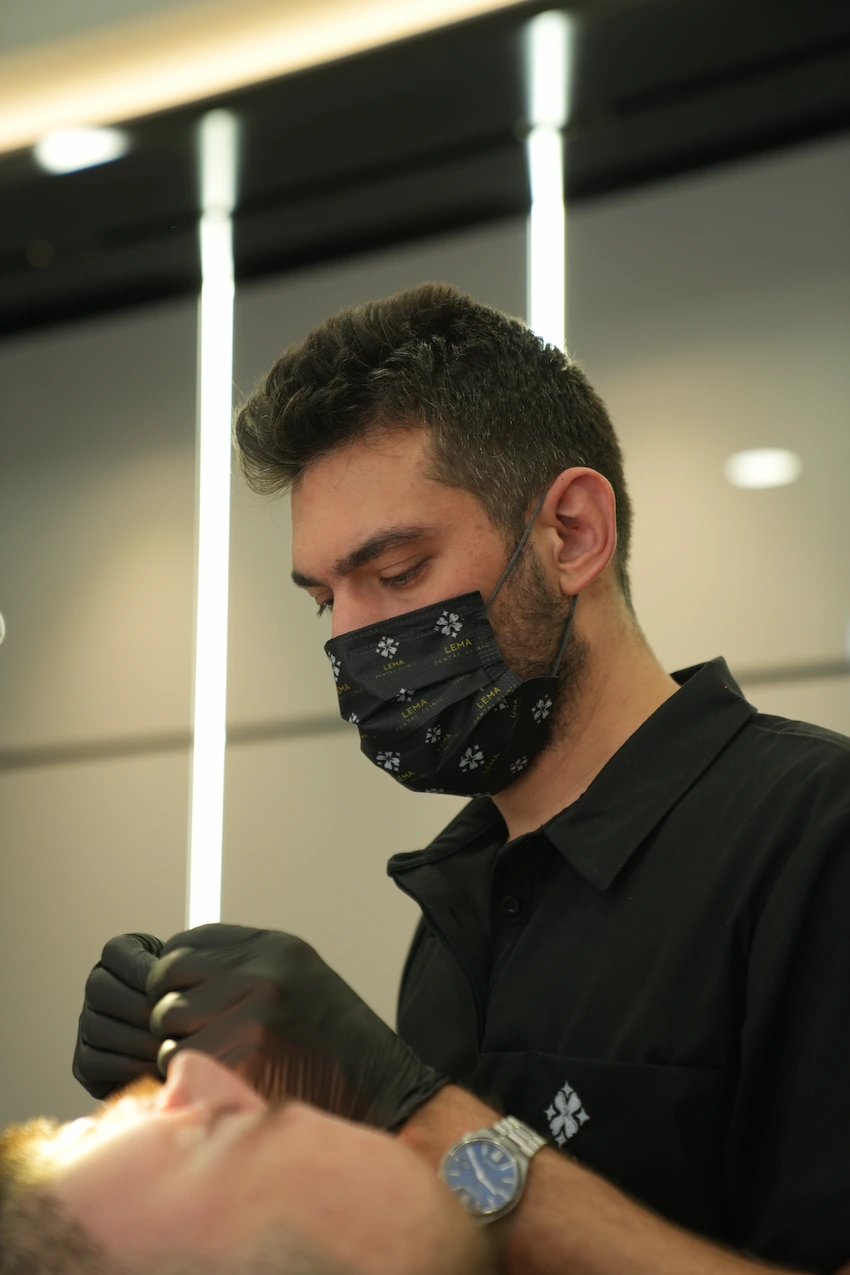
Even if one tooth is lost, it doesn’t mean that you must live with the gap between your teeth forever. Since Turkey is the biggest international hub of high-quality, advanced aesthetic and restorative dentistry, it brings together highly qualified dental experts and cutting-edge technologies in this field.
Our dental team uses the most technologically advanced imaging devices along with master craftsmanship to create a complete, lifelike smile for each patient that walks in. From single and multiple tooth missing cases and bone grafts to regenerative medicine, implant-supported prosthetics and dentures, we always offer the best options for your case.
Frequently Asked Questions
Can a tooth become loose and then reattached?
If a significant amount of periodontal support has been lost to infection and gum disease, the loose teeth will not reattach themselves anymore; the short answer is no. It will be best if you are a periodontic patient right away to stop the infection while stabilising the area.
Is the surgery for installing a dental implant painless?
You can hardly believe how comfortable you will be if you go with the dental implant procedure. We administer local anesthesia and sedation so that you can be completely aware while the implant is being installed, and the procedure itself is actually very little painful. It is usually mild discomfort with standard prescriptions for post-operativepain that will be much less than the pain of a tooth that is seriously infected.
Can loss of teeth caused by gum disease happen suddenly?
The short answer would be “Yes.” Periodontitis left untreated is a progressive infection that causes destruction of one tooth and spreads to adjacent teeth gradually. This kind of progressive bone loss, if left uncontrolled, would eventually lead to a complete loss of a tooth on either side of the teeth if not treated adequately.
How long is the overall dental implant process going to take in Turkey?
It will vary depending on the density of bone and how much preparation, or bone grafting, will be needed in advance of dental implant surgery that the surgeon has to perform. While the traditional healing period for total implant integration is around four to six months, we can now place fixtures and temporary crowns in just one visit via Same-Day Implants, which has made international patients the best choice.
The implant success ratio is how high?
In the dental field, there are several factors that determine the success of a dental implant procedure. A team of experienced surgical professionals will have done good implant work, with high-quality biocompatible materials, mainly titanium or zirconia implants. With a proper daily cleaning routine, you can even get your implants to last throughout your life if you have good dental hygiene and regular visits to your hygienist.
Academic References
- American Academy of Periodontology. (2020). Comprehensive overview of periodontal disease and tooth loss etiology. Journal of Periodontology, 91(4), 452–468.
- Lindhe, J., & Meyle, J. (2015). Peri-implant diseases: Consensus report of the sixth European workshop on periodontology. Journal of Clinical Periodontology, 39(S13), 282–285.
- Zarb, G. A., & Albrektsson, T. (2018). Osseointegration: A requiem for the periodontal ligament? International Journal of Periodontics & Restorative Dentistry, 38(2), 175–181.
- Tonetti, M. S., Greenwell, H., & Kornman, K. S. (2018). Staging and grading of periodontology: Framework and implementation of a new classification system. Journal of Clinical Periodontology, 45(S20), S149–S161.
- Branemark, P. I., Zarb, G. A., & Albrektsson, T. (2005). Tissue-Integrated Prostheses: Osseointegration in Clinical Dentistry. Quintessence Publishing.

