


Apicoectomy saves your natural tooth by surgically removing and sealing the infected root tip.
What you thought was a thing of the past – pain – came back for a visit. After a root canal and a crown, you actually thought your tooth spot would never bother you again. Then, after some time, a dull pain starts coming, and a small bump appears on the gums.
The fact is, the human body is complicated. Sometimes, harmful bacteria are hiding deeply in the tiny branches of the root tip. When a root canal is a failure, people get really scared. Immediately, they think that the tooth has to be extracted.
The question is: Is it really necessary for you to lose the tooth?
Here is what we do at our dental office. Extracting the tooth is rarely our first choice. We have a very powerful way to save the tooth. We perform advanced microsurgery. The name of this technique is an apicoectomy. You might also hear it referred to as root-end surgery.
What is an Apicoectomy?
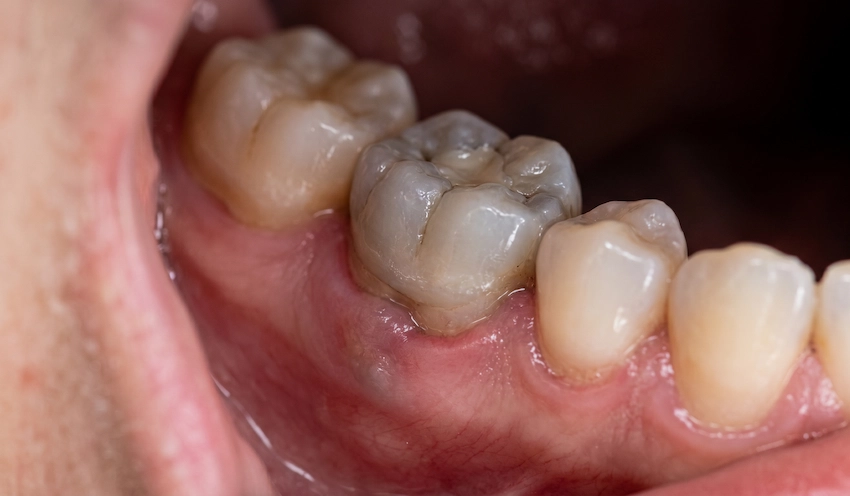
A traditional root canal can be compared to cleaning a house. We deep-clean the rooms inside and then lock the doors.
But what if we take a microscope to the situation? What if the soil below the house is contaminated? Re-cleaning the insides will not do the trick. You are required to deal with the foundation directly.
Through apicoectomy, the access to the inside of the tooth is totally bypassed.
- Make a tiny and precise incision at the gum line.
- Reach the bone directly.
- Remove infected tissue.
- Remove the very tip of the root.
- Seal the foundation tightly with a special filling.
According to our personal experience at Lema Dental Clinic, this method of going directly to the source is the most effective. It cures the chronic infection once and for all.
Where Surgery is Performed in Turkey
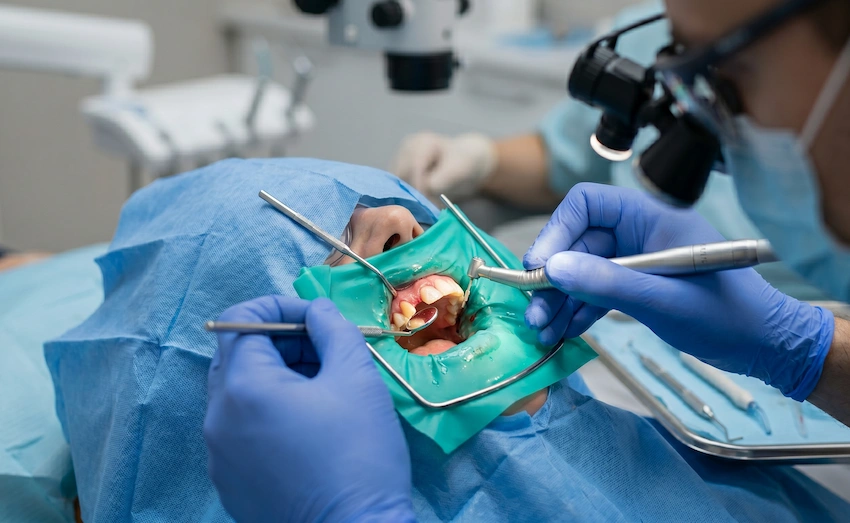
People worldwide come all the way to our premises in Turkey. They want exact surgery and stunning results.
Professor Doctor Coşkun Yıldız stresses several times that the best option is always to try to save your real root. Even the best artificial material can only be compared to the tissues of your body, but cannot equal them. The natural ligaments that anchor your root are extremely precious.
Along with Dr. Polen Akkılıç and her team, meticulously organize each step of the procedure. After obtaining a very clear 3D scan, they check out your nerves and other important anatomical structures.
Comparing Different Treatment Options
What are the pros and cons of this surgery option compared to others?
| Treatment Option | Goal | Duration | Quality of Results |
| Root Canal Retreatment | Cleaning the tooth from top to bottom | 1 to 2 visits | Good, but very difficult after crown placement |
| Apicoectomy | Sealing the tooth from the bottom up | 1 surgical visit | Excellent, the natural root is preserved |
| Extraction & Implant | Complete replacement | 3 to 6 months | Excellent, but you lose the real tooth |
The Road to Recovery
Yes, the word surgery frightens people. However, healing is really a piece of cake. Most of the time, patients handle any minor pain just by taking a simple over-the-counter medication. Swelling is quite minimal. You can, as a rule, resume your normal habits by the day after the operation. As time goes by, your bone will be growing back around the root that has been sealed.
FAQ
No. We apply effective local anesthetics during the whole operation. You will experience only a little tooth pressure. After the operation, your jaw might be slightly discolored and painful. Nevertheless, the application of ice and the usage of commonly available pain killers will be sufficient to get rid of these symptoms.
It can last from half an hour up to one and a half hours. Usually, the treatment of the front teeth goes quicker. Roots of the teeth at the back are more complicated anatomically, and Take additionally the time additionally.
Yes. This is undoubtedly a great advantage for you. We reach the infected area from the gum side. We do not have to drill through or break your costly porcelain crown.
I never recommend postponing a decision. Bone infection is not one of those things that just disappear with time. In fact, they cause a gradual loss of the bone around the tooth and then spread to healthy bone.
We combine technologically advanced surgical excellence with friendly, compassionate care. Our team of surgical specialists does microsurgery daily. We have the latest imaging and instruments to save smiles that others would give up on.
- Von Arx, T. (2011). Apical surgery: A review of current techniques and outcomes. The Saudi Dental Journal, 23(1), 9-15.
- Kim, S., & Kratchman, S. (2006). Modern endodontic surgery concepts and practice: A review. Journal of Endodontics, 32(7), 601-623.
- Setzer, F. C., Shah, S. B., Kohli, M. R., Karabucak, B., & Kim, S. (2010). Outcome of endodontic surgery: A meta-analysis of the literature—part 1: Comparison of traditional root-end surgery and endodontic microsurgery. Journal of Endodontics, 36(11), 1757-1765.
- Tsesis, I., Faivishevsky, V., Kfir, A., & Rosen, E. (2009). Outcome of surgical endodontic treatment performed by a modern technique: A meta-analysis of literature. Journal of Endodontics, 35(11), 1505-1511.
- Rubinstein, R. A., & Kim, S. (1999). Short-term observation of the results of endodontic microsurgery with 100% IEM. Journal of Endodontics, 25(1), 43-48.

