


Eat soft local foods like soup, yogurt, mashed potatoes, eggs, and avoid spicy or hard foods.
Figuring out what you should eat after a tooth removal or surgery helps a lot during healing. Your mouth needs certain foods that are gentle and protect your surgical sites while giving your body the right nutrients.
After extraction or implant surgery, the tissues that have been operated on will still need some time to repair themselves. So, it is better to take soft, non-crunchy,y and non-hot meals at the beginning of recovery.
Patients of Lema Dental Clinic are given post-treatment instructions according to the type of treatment performed. Patients’ nutrition issues can also be addressed by Dentist Polen Akkiliç and Prof. Dr. Coşkun Yıldız regarding how soon it is possible to return to a regular diet after soft foods.
The Role of Nutrition – How Does the Implant Bone Heal?
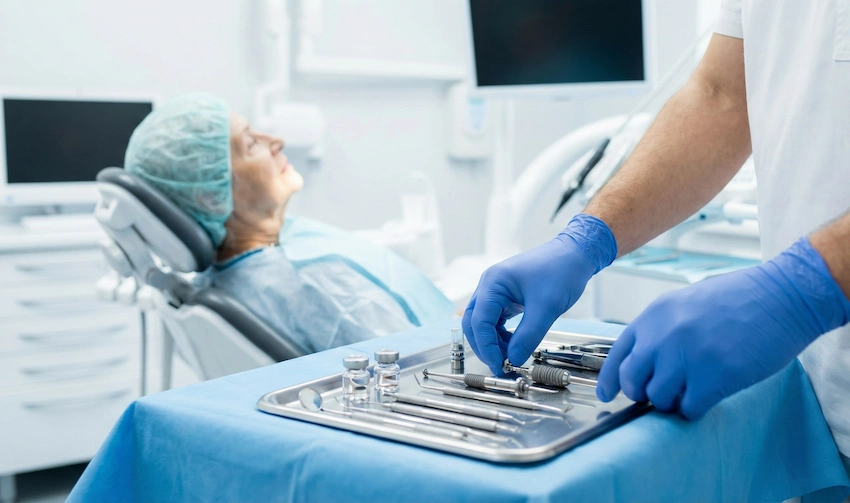
A dental implant, when it is placed, slowly merges with the bone. This is termed osseointegration.
Healthy eating ensures normal healing of tissue and bone. Still, no single type of food can result in instant healing of the surgery spot or the implant. It has been found that a person’s nutritional condition, such as enough vitamin D, could affect how well the implant heals with the bone,e though additional studies are needed.
In the initial recovery phase, the role of the diet will be purely mechanical. Chewing can cause pressure if you eat things that are hard or crunchy, and can also cause some discomfort to the surgical sites, especially the gums. So, it is best to stick to soft foods, which require minimal chewing.
| Recovery Period | Recommended Texture of Diet | Local Istanbul Food Suggestions |
| Day 0–48 hours | Cool or lukewarm, very soft, smooth foods | Yogurt, smooth soup, mashed potato, muhallebi |
| Days 3–7 | Soft and easy to chew | Scrambled eggs, soft pasta, mashed vegetables |
| Weeks 1–2 | Gradually firmer foods | Soft fish, well-cooked vegetables, soft rice dishes |
| After healing | Gradually return to your normal diet | Follow your dentist’s advice based on healing progress |
The Liquid & Very Soft Period – 24-48 Hours
First of all, on the first day after the surgical intervention, you should protect the surgical area as much as possible. If your lips, cheeks, or tongue, which might bite, feel a little sensitive or are numb from the surgery, do not bite them. This would save the surgical area.
Food that is cool or lukewarm and which is smooth is a safe choice. Yogurt, mashed potato, smooth soup, soft pudding, and puree are some excellent examples.
After the tooth has been removed, dental guidelines indicate that the patient is advised or recommended to consume soft dietary items in the first few days. When your mouth is numb and during early healing, hot drinks must be avoided.
Never try drinking through a straw after the removal of a tooth. The suction can be harmful, and the blood clot can be destroyed, which is the very thing that is protecting you from getting a socket inflammation.
Weeks 1 and 2: Transitioning to Soft Foods
As the swelling and tenderness subside, you can start eating foods gradually that need the least amount of mastication.
Appropriate dishes for you might include scrambled eggs, soft pasta, tender fish, well-cooked vegetables, soft rice, and mashed items. Whenever possible,e you can try to chew on the side opposite the surgical area.
If you think you need to speed up your meals, that’s fine. But if a certain type of food causes you some discomfort, just stick to the one you found easier and return for that later.
Talks around what implant patients can or should do usually include Dentist Polen Akkılıç and Prof. Dr. Coşkun Yıldız. Depending on the stability of the implants, whether there was bone grafting, the number of implants, or whether the patient got a provisional restoration, they may suggest another recovery schedule.
The Istanbul Culinary Guide: Safe Local Dishes for Dental Tourists
Istanbul has many dishes that can be modified to suit your dental healing process. Still, the factors that are temperature and texture are important.
Some of the most appropriate local dishes are:
- Mercimek çorbası: Go for a smooth version and let it cool down a bit before eating.
- Turkish yogurt: Mild, slightly cool, and effortless to consume.
- Ayran: Can be had effortlessly; the extraction of the teeth should make you think twice about using a straw.
- Muhallebi: A creamy milk dessert that will hardly put your jaw to good use.
- Mashed potatoes: Found in many places and very gentle with the surgical area.
- Soft scrambled eggs: A solid food option you would have after getting your implants fitted.
Turkey is famous for soft food items that can still be harmful to you if they contain hard pieces, are very hot, or extra spicy. That is why you should first feel the texture of the food with your tongue before taking a bite.
Foods to Avoid: The “Danger List” for Implant Recovery
During the early phase of healing, you should stay away from foods that can irritate the injured area or be the cause discomfort to it.
The kind of hard foods like nuts, crusty bread, hard candy, and raw vegetables are difficult to chew.
Crispy foods might also break into tiny pieces, which find their way to the surgical area.
Foods that are very spicy, acidic, sticky, or extremely hot should also be avoided. You should refrain from drinking alcohol early during the recovery period in case it is against what the dentist has advised.
In the case of after extraction, don’t be so harsh that you just start rinsing or spitting or disturb the socket in the first 24 hours, as it’ll affect the blood clot, which is protective in nature.
When Will You Be Able to Resume Normal Eating?
There is, in effect, no one day when all the patients will be able to eat normally.
After a simple extraction, many a time patients gradually take on more solid foods over the first week, while those cases where the operation is more complicated might want to stick mostly to soft foods for a longer time.
Those patients who get dental implants are generally in good shape within a few days, but the actual healing work of the implant goes on for months. So you should never assume from how well you feel that the implant has done the job.
Here at our dental clinic, the dietary advice we give to patients is based on the type of treatment they received in the clinic. For instance, those who get bone grafts or have several implants or whole mouth reconstruction are expected to stay away from doing heavy mastication for quite a while.
If you want to be absolutely safe, just try food that is firm but easy to chew bit by bit and heed your dentist’s advice.
FAQ
What are some of the foods that are safe after dental surgery?
It is a good idea to mainly stick to soft foods such as yogurt, mashed potatoes, thick soup, eggs, soft pasta, and cooked vegetables that are not only easy to consume but also to digest.
List of foods to be avoided after a dental surgical procedure?
You must stay away from any food that is hard, crunchy, sticky, or spicy during the early stages after the surgery. Foods like nuts, hard bread, & chips can not only damage but also be very uncomfortable for the wound.
Is it a good idea to have a pizza 3 days after removing a tooth?
The pizza, being a soft type of food, may be safe to eat after three days. A gentler meal is usually the right move until the area no longer feels tender.
I had the extraction of a tooth, and it is day 7. Is it safe for me to eat a burger now?
One week is probably enough time for some people to have a soft burger without the risk of disturbing the wound, and so on. Still, chewing strongly and having a thick crust can be very uncomfortable. Your healing has to be the only criterion for you to decide.
When exactly will one be able to take a regular diet after a tooth extraction?
It is quite common for people to return to eating their normal food gradually around one to two weeks after the tooth extraction. But if you have a complicated extraction, it might take much longer than that.
References
- PubMed – The Effect of Dietary Factors and Nutrients on Osseointegration, Dental Implant Success and Survival
Recent review of nutrition and dental implant healing. (PubMed) - PubMed – Nutritional Supplements and Osseointegration Outcomes in Dental Implantology
Systematic review examining nutrition and implant healing. (PubMed) - NHS – Dental Extractions: Post-Operative Instructions
Guidance on soft foods, hot drinks, oral hygiene, and protection of the extraction socket. (UCLH) - NHS – Surgical Extraction of Teeth
Patient guidance about eating, swelling, bleeding, and recovery after dental surgery. (Cambridge University Hospitals)

