


Stop using it and seek medical help if you feel numbness, tingling, weakness, or stomach problems.
Our morning routine is something that people genuinely rely on. You spread a very small amount of paste on your denture, press it, and get started with your day. But you need to realize that this easy habit might be secretly damaging your nerves.
In line with our clinical experiences at Lema Dental Clinic in Turkey, we have observed that most of our patients who have been using dental adhesives for quite a long time and eventually came to us for a better smile also had some health issues that were totally unexplained.
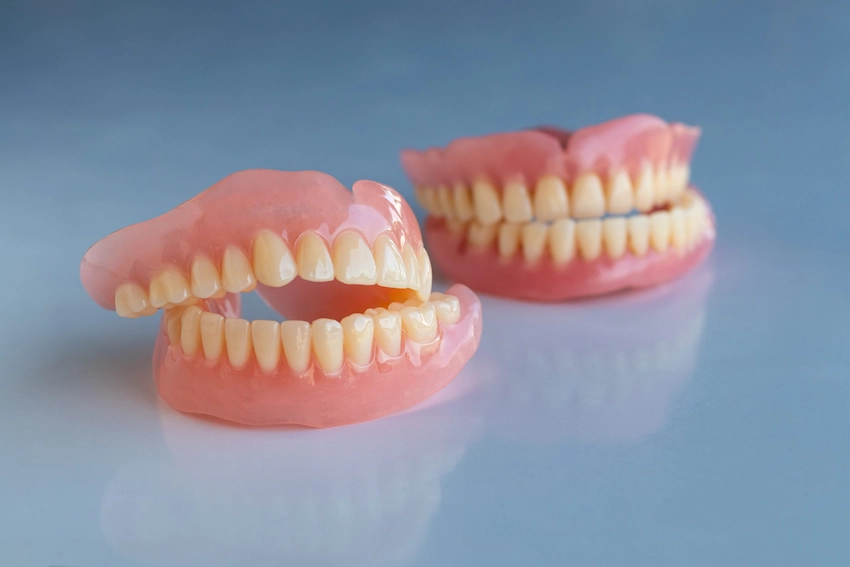
Dentures are secured very tightly with different denture creams that contain zinc. Using excessive denture cream to fix a loose denture is the main reason for the accumulation of this heavy metal in our bodies.
Imagine your nervous system to be a super-fast electrical grid. Excessive zinc is like continuously having a power surge. It prevents your body from taking in copper,r which is the essential nutrient for the nerves, es as this is the protective covering of our nerves. When the protective covering of our nerves deteriorates, the “wires” get to the point of misfiring.
Spotting the Symptoms of Zinc Toxicity
And to be honest, things don’t change overnight. The warning signs are like an ambush and unfold slowly over months or years.
Indications of possible zinc toxicity include:
- Numbness or tingling in your hands and feet.
- Weak muscles or losing your balance.
- Trouble walking or changes in your steps.
- Feeling tired all the time.
Professor Doctor Coşkun Yıldız makes a point of saying that it is a common mistake among patients to associate these early signs with simply getting older. They are prone to thinking that they just need more vitamins. As these signs resemble other nerve problems, the very fault in the bathroom cabinet remains hidden.
What to Do if You Suspect Adhesive Poisoning
When you experience these symptoms and use a zinc paste, you have to do something about it immediately. The healing process of nerves is very gradual.
- Stop the Paste: Immediately dispose of any zinc-containing cream. Check the ingredient list.
- See a Doctor: Dial your doctor’s number or a nerve specialist without delay.
- Check Your Blood: Request that their serum copper and serum zinc levels be measured. This is not part of normal blood tests.
Breaking the Cycle: Permanent Clinical Solutions
The truth is that nearly everyone hates using a sticky paste. This is one of the reasons we find patients in the clinic who have started using so much glue. The bone in their jaw is shrinking.
Your jawbone will gradually break down after tooth loss as the bone no longer has a function. So, a denture placed on a shrinking jaw is like laying a building on melting ice. It just moves around. You will keep needing more glue to eat.
Dentist Polen Akkılıç and her team tackle this problem from the source. We exchange dangerous, old techniques for permanent, fixed teeth. With modern implants, the use of glue is eliminated.
Treatment Comparison
| Feature | Regular Dentures | Fixed Implants (All-on-4/6) |
| Daily Care | Messy pastes, take out at night | Brush like normal teeth |
| Health Risks | Bone loss, zinc danger | Saves bone, no chemicals |
| Chewing Power | Very weak | Almost perfectly natural |
| Lifespan | 5 to 7 years | Lifelong with good care |
Frequently Asked Questions
How much paste is safe?
It is expected that one tube will normally last up to two months. If you are constantly finishing a tube within a week just to hold your teeth in place, then your denture is not fitting. You are using too much paste and putting your health at risk.
Can nerve damage from zinc heal?
You can prevent the damage from worsening by discontinuing paste use and supplementing copper. Many patients report that their energy returns quite fast. But if you have delayed quite a while, the numbness of your toes or fingers may be permanent.
I have bad bone loss. Can I still get implants?
Yes. That is exactly what we specialize in. Even when another doctor has told you that you have no bone, we employ state-of-the-art techniques such as Zygomatic implants. These are securely fixed in the cheekbone. You don’t have to live with sticky glues.
Are all denture glues dangerous?
No. Recently, many brands have cut zinc from their products. You should always check the box. Yet, even the use of zinc-free glue does not prevent the jawbone from resorbing. It just hides the problem.
How fast can I get fixed teeth in Turkey?
Commonly, we place the implants and deliver the fixed, temporary bridge within a few days. You will come back home with natural-looking teeth that never move. No paste will be needed.
Academic References
- Nations, S. P., Boyer, P. J., Love, L. A., Burritt, M. F., Butz, J. A., Wolfe, G. I., … & Trivedi, J. R. (2008). Denture cream: an unusual source of excess zinc, leading to hypocupremia and neurologic disease. Neurology, 71(9), 639-643.
- Hedera, P., Peltier, A., Fink, J. K., Wilcock, S., & Brewer, G. J. (2009). Myelopolyneuropathy and pancytopenia due to copper deficiency and high zinc levels of unknown origin II. The denture cream is a culprit. Experimental Neurology, 218(2), 358-361.
- Willis, M. S., Monaghan, S. A., Miller, M. L., McKenna, R. W., Perkins, W. D., Levinson, B. S., … & Kroft, S. H. (2005). Zinc-induced copper deficiency: a report of three cases initially recognized on bone marrow examination. American Journal of Clinical Pathology, 123(1), 125-131.
- Spinazzi, M., De Lazzari, F., Tavolato, B., Angelini, C., Manara, R., & Armani, M. (2007). Myeloneuropathy after prolonged exposure to zinc-based denture adhesive. Archives of Neurology, 64(10), 1540-1541.
- Depta, J. P., & Szela, A. (2012). Copper deficiency myeloneuropathy associated with zinc toxicity from denture adhesive. Cleveland Clinic Journal of Medicine, 79(6), 395-396.

