The sensation of having a tooth that feels loose in your mouth is indeed one that can cause dread to most people, especially adults when the same situation happens. As adults with permanent adult teeth, the occurrence of loose teeth which is more associated with kids may be indicative of a serious condition that needs to be looked into, properly diagnosed, and treated. The underlying health reasons for having loose teeth in adults include gum disease, trauma, or teeth grinding, while this is true, having a shaky tooth does not necessarily mean that the time for that specific tooth is up.
This piece of work seeks to provide nicely rounded information regarding the potential causes that underlie the issue of loosening teeth, appropriate ways that adult individuals who have the problem can deal with loose teeth, and lifestyle interventions that can help to stop the current state of things from getting worse and the loss of more teeth in future. Do not let the worry that comes with loose teeth bring you down; instead, the strategies discussed here will help you move forward with the aim of the treatment, fixing, or replacement of your teeth.
Thus, should you have a loose tooth or know you are willing to have this kind of treatment; these are the causes of its leadership, and what to do about them also the preventive measures an individual can take to at least reduce the chances of losing more teeth or making the condition worsen.
Why Do Teeth Become Loose in Adults?
It is quite normal to feel that adult teeth should remain as strong and intact as they are designed to be; they are designed for lifelong or a lifetime, placed strongly at the jawbone by the roots, which have their support from other surrounding gum, and bone around the surrounding area.
The natural structure of the teeth; however, presents some susceptibility for the teeth to loosen as a result of some conditions that may bring about compromised support systems from infections, injuries, or excess stress. The following conditions are the ones that are found most often:
Gum Disease (Periodontitis)
When it comes to the discussion of the causes of loose teeth among adults, the number one contender is the presence of gum disease. As periodontitis presents more severe forms of gum disease, there is damage done not only to the ligaments that were responsible for holding the teeth cemented to the gums but also the bones that reinforced the teeth structure as a whole. This is how this condition is characterized:
Signs include:
- Bleeding gums: upon light disturbance of gums through brushing or flossing, they show signs of irritation such as bloody spots.
- Bad breath: common in periodontal patients, this type of breath or oral odor is not fresh and persists despite good oral hygiene care.
- Gum recession: this condition appears as the gums being pulled backward, exposing more of the root of the tooth; this may be accompanied by sensitivity.
- Loose or shifting teeth: in the advanced stages of periodontal disease, the health of the structures supporting the tooth gets compromised and this is the stage where the tooth becomes loose.
As the infection progresses and the destruction of bone tissue continues, propagation for probability of tooth loss is further increased.
Dental Trauma or Injury
One of the most common causes of a tooth being knocked loose is a direct blow to the mouth area either during sports activity or due to other accidents or falls which cause tooth injury. In the event that the supporting ligaments or jaw bone that encompass the tooth are injured one can experience a condition where the tooth becomes dislodged and this may be accompanied by pain as one seeks to adjust its position back to normal. Although dental trauma usually is painful, immediate attention can help to manage pain and set the tooth back into a position where it can heal properly.
Bite Misalignment or Orthodontic Movement
Besides dental trauma, patients are likely to loosen their teeth due to bite misalignment or orthodontic movement. In essence, the dental forces that are improperly distributed or excessively created from orthodontic treatment may lead to excessive loading on some teeth and not equally distributing it on others.
The degree of unwanted forces on the teeth may be imperceptible but when they are combined with other factors like bruxism that is the tendency to grind teeth and bone loss caused by periodontal disease they can add up to overload teeth and weaken their foundations.
Gum Disease (Periodontitis)
The primary cause of loose teeth in adults is gum disease which can lead to the advanced stage of periodontitis damaging the teeth supporting structures like the bones and the ligaments. This can lead to painful loss of teeth as this infection weakens the support of teeth to an extent that they might begin to fluctuate in the sockets.
Bruxism (Teeth Grinding)
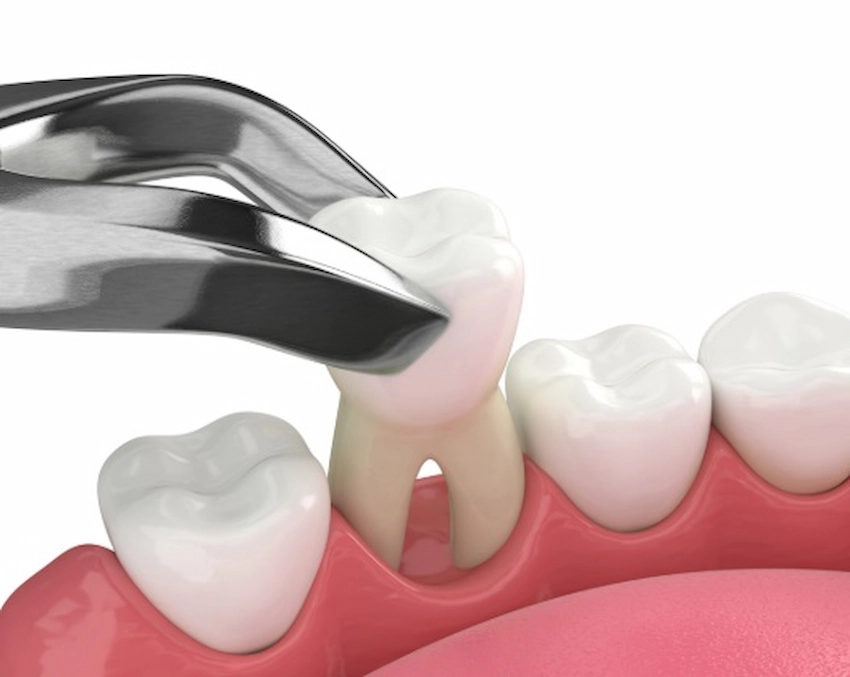
Grinding or clenching your teeth, especially at night, causes excessive force on your teeth and the respective tissues that hold these teeth in position, making them loose. This continuous pressure may disrupt the health of the teeth which may in the long run weaken the basis of the tooth hence increasing the possibility of tooth mobility.
This is because bruxism is often associated with stress and continuous grinding is agreed strongly and makes serious and irreversible harm to the teeth which are more prone to injury than others.
Wearing a nightguard, which is a fitted piece of plastic that covers your teeth, or using stress management approaches can protect your teeth from further damage.
Bite Misalignment or Orthodontic Movement
Improper conditions of the bite or excessive orthodontic treatments can exert a lot of weight and stress on some teeth thereby marring their stability. This concentrated and uneven force, given other predisposing factors such as bruxism or bone loss can lead to the instability of teeth. This is other than the trust issues with orthodontic treatment which stretches be sure to be fairly aggressive about it if you are not under the right guidance from your orthodontists.
Osteoporosis or Bone Loss
Bone diseases including osteoporosis that lower the density and strength of the jawbone have an enormous impact on how securely the anchored teeth remain fixed in the jawbone.
When it comes to jaw issues, osteoporosis stands out as a condition that considerably alters the quality and density of the jaw bone.
As a result, the support provided to the surrounding teeth will also be impaired hence making the teeth looser than before, in some cases they will naturally fall off without treatment. Osteoporosis will not allow any blaming of age factors in tooth loss because it has appeared stronger than age.
What to Do if You Have a Loose Tooth
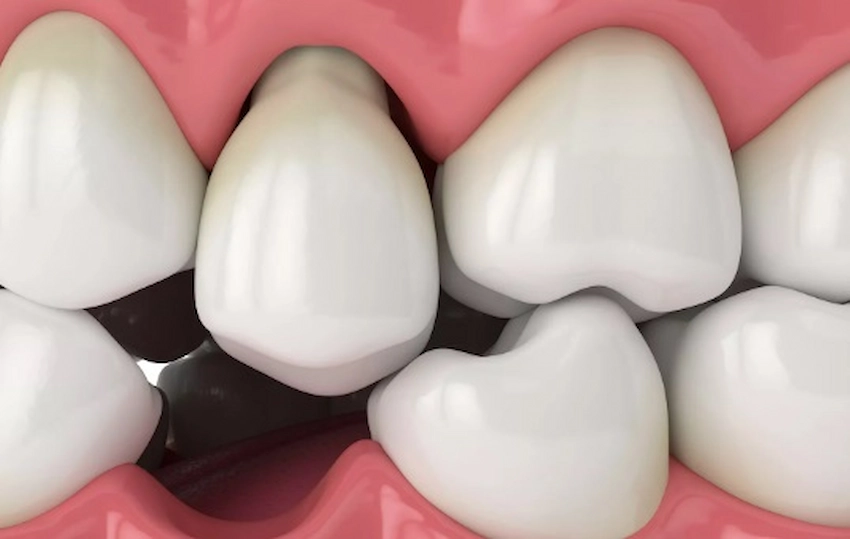
When one has a loose tooth, the moment they notice a shaking adult tooth, there is no need to panic as such situations can be mostly salvaged however if the right action is taken at the right time, it is with this detailed article that one gets to learn the correct step that one should take if he or she finds themselves in a situation where they have loose teeth or one highly and abnormally loosened tooth on their jaws on how to follow the correct procedures.
See Your Dentist Immediately
The first thing you should do if you think you have a loose tooth is to go to a dentist. The dentist will then examine your tooth using the X-ray technology but only on the viewpoint of finding out the possible cause of this problem as well as determining to what extent your tooth has been loosened.
This will incorporate taking X-rays and doing a clinical examination to assess the condition of the tooth and its supporting structures. Treating the problem at the initial stage gives a better likelihood of success. So, do not neglect it and wait for a situation to worsen as this could lead to complications such as loss of the affected tooth or unstable tooth to the extent that the problem cannot be solved.
Avoid Wiggling or Touching the Tooth
Your initial response to a loose tooth may be to wiggle it around to test how loose it is, but it is not a good idea. No matter how it might be tempting to do so, do not fuss or play with the tooth using the tongue or fingers. The wiggling or pulling of the affected tooth is likely to cause more damages which are capable of creating room for the tooth to loosen further or come out completely. Moreover, wiggling or pulling of the affected tooth will also cause it to split and thereby raise the degree of pain.
Follow Your Dentist’s Treatment Plan
Your dentist will evaluate what caused the loose teeth and its severity and hence devise a unique battle plan for your dental health. The general solutions include scaling and root planing to deep clean the infected gums, splinting to avoid the tooth from moving, and bone grafting if needed for the bones. In severe situations, surgical gum therapy can be an option for the recovery of the deficiencies in the supportive structures.
If it is impossible to save the tooth, then extraction followed by a dental implant or bridge will be the treatment of choice. The best-suited treatment will be based on the condition of the tooth, how loose it is, surrounding tissues’ condition, and your general dental situation.
Practice Excellent Oral Hygiene
If gum disease is the problem, it is crucial to keep the mouth clean. Brush the teeth twice with a very soft bristles brush. Then make sure to brush your teeth very gently. Take two minutes to floss the teeth to clear tenacious plaque and food particles found between the teeth and below the gum line.
If feasible, try using even larger than normal floss to provide the teeth with additional feelings of refreshment. Finish the mouth care routine by rinsing your mouth using some clinical anti-bacterial form of mouthwash so the effects of proper cleaning last long.
Frequently Asked Questions About Loose Teeth in Adults
Teeth are commonly extracted due to severe decay, advanced infection, gum disease, crowding, or damage from trauma. Impacted wisdom teeth are another frequent reason for removal.
Dentists prefer saving the natural tooth whenever possible through treatments like root canals or crowns. But if the tooth is too damaged or risks other teeth, extraction may be necessary.
With modern anesthesia, you shouldn’t feel pain during the extraction—just pressure. Mild discomfort afterward is normal and can be managed with pain relief and care.
Initial healing usually takes 1–2 weeks, but complete recovery of the gum and bone can take several months. Following your dentist’s aftercare advice helps speed up the process.
Leaving a severely damaged or infected tooth untreated can lead to serious issues like abscesses, bone loss, and spreading infection. Timely extraction prevents further complications.