


Normally, we link teeth with colors and primarily a gleaming white smile is illustrated in front of our eyes. Still, the real color of teeth is rather complex. Due to the fact teeth are composed of various materials the color of a smile varies in a wide range. Understanding what the natural teeth color is and the factors of its change can assist you in maintaining a good and natural-looking smile.
What Factors Shape the Natural Color of Teeth?
The real color of teeth is their true nature and it comes as a result of the combination of different aspects:
- Tooth Enamel: Enamel also known as the outer layer of a tooth is one of the main factors of the color. Enamel is essentially white or off-white but being translucent in nature the whiteness of the dentin (the inner part) can determine the final color of the teeth.
- Dentin: Dentin is that part of the tooth structure which is located just beneath the enamel and is of a light brown or yellowish color. The thickness of enamel and the shade of dentin are to a great extent the determinants of the tooth color.
- Age: Over time, time will degraded the enamel and thus the dentin will be the most visible layer of the tooth.
- Diet: Coffee, tea, red wine, and berries are a few of the things that may stain your enamel and make your teeth look darker. Smoking can also lead to the discoloration of teeth.
- Genetics: The real color of teeth based on genetics is the major factor. Some people have a natural predisposition to beards who are more white or yellow due to the genetic makeup.
- Oral Hygiene: Dying from neglect of oral health is a gradual process, but will usually come with the decay of your teeth due to plaque buildup, and tartar, and they will be at the same time becoming your teeth’ enemies in a way that they will shorten their lifetime due to the stains that will make them look dull or yellow.
Can You Change the Real Color of Teeth?
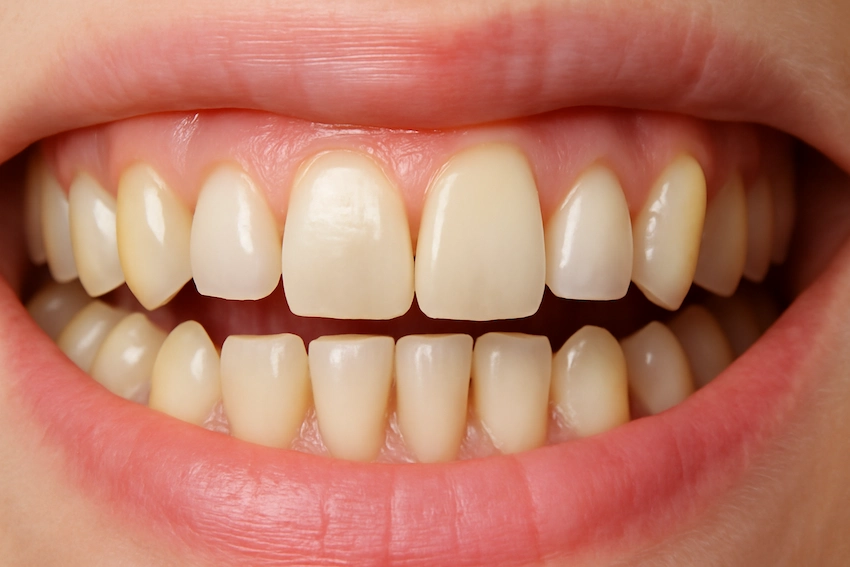
It is not entirely possible to change the real color of teeth. However, you can brighten your smile in a variety of ways such as:
- Teeth Whitening: With the help of professional bleaching methods, it is possible to lighten teeth that show surface stains a few shades. In the meantime, whitening can still not be the solution if the problem resides in dentin or an enamel defect.
- Veneers: Dental veneers are doing the job of thin shells that are set on top of the teeth for more permanent solutions.
- Bonding: Dental bonding is a method whereby a resin is put on the front part of the teeth. It is capable of making the discolored teeth lighter and at the same time, dental bonding can improve the quality of stained teeth.
- Regime: Brushing with fluoride toothpaste, flossing, and using mouthwash along not only making your teeth cleaner but also giving them the real color by protecting them from staining.
- Bonding: Dental bonding is a method whereby a resin is put on the front part of the teeth. It is capable of making the discolored teeth lighter and at the same time, dental bonding can improve the quality of stained teeth.
- Following a Proper Oral Health Regime: Brushing with a fluoride toothpaste, flossing, and using mouthwash alone can not only make your teeth cleaner but can also protect them from staining, thus giving the real color of teeth.
Why Are Whitening Treatments Not Absolutely Effective?
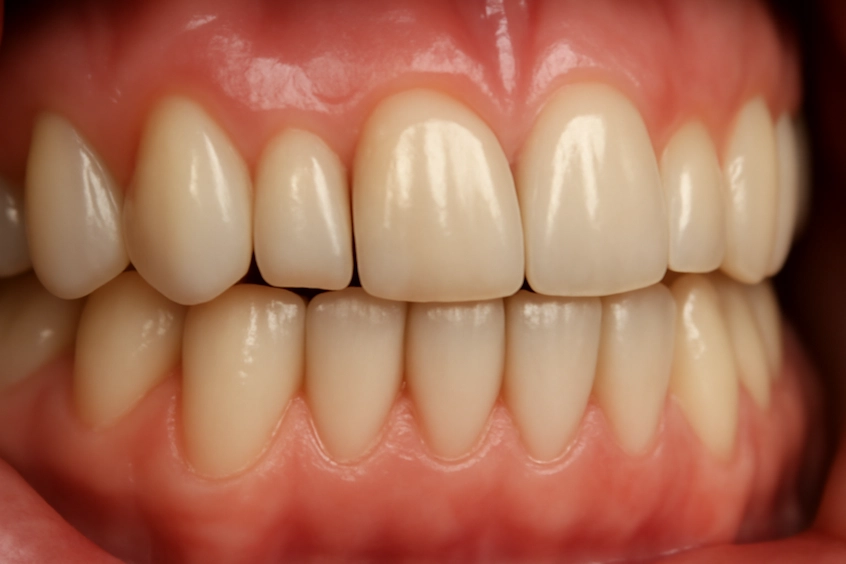
Despite the fact that dental whitening kits are very helpful for many people to change their true color of teeth, the benefits of such kits still vary from one person to another. Whitening might fail because of the following:
- Intrinsic Stains: Whitening methods focus primarily on cleaning teeth surfaces as well as on the removal of extrinsic stains. When it comes to intrinsic stains that develop as a result of heredity, aging, or medication, mainly caused by aging, whitening can work only to a certain extent.
- Tooth Sensitivity: Some people might get sensitive teeth as a result of the procedure and, therefore, they can use the products only in a certain period or not at all in case the sensitivity is severe.
- Existing Dental Work: Since whitening does not help with dental works such as crowns, fillings, and veneers, these things can still be the reason for a color difference between the rest of the teeth and them.
If you are not a candidate for whitening treatment, the dentist can suggest some alternatives like porcelain veneers or composite bonding to revamp your smile.
How to Keep Your Teeth Their Natural Color
If you want to keep your real color of teeth and also avoid their discoloration, you should do the following:
- Brush Regularly: Through the use of a fluoride toothpaste, you should brush your teeth at least two times a day. Besides a whitening toothpaste, you can also employ it for the removal of surface stains.
- Say No to Stain-Causing Food and Drinks: Limit the intake of coffee, tea, red wine, and other staining foods. In case you are not able to avoid them, the best thing to do is to drink some water right after you rinse your mouth.
- Do not Smoke: When you smoke the nicotine from a cigarette gets to the enamel of your teeth and it is a source that may cause yellowing and dullness of your teeth over time
- Use a Straw: If you drink a beverage through a straw, the beverage is not directly against your teeth, thus you will reduce the risk.
- Visit Your Dentist Regularly: A dentist will remove the deposits are formed on your teeth.
FAQ About the Real Color of Teeth
Healthy teeth are definitely allowed to be various white or off-white colors.
Whitening products, professional treatments, and good oral hygiene can go a long way in the removal of stains and the enhancement of the natural color of your teeth.
There are a number of reasons that can lead to yellowing such as getting older, eating and drinking, smoking and neglecting oral hygiene.
It is false that the natural shade of your teeth is mostly a result of your genes and how old you are, yet bleaching and the use of veneers also contribute to the enhancement of their look.
Excessive whitening treatments may cause tooth sensitivity or the breaking down of enamel. It is very important to observe the professional’s instructions when applying whitening products.
References:
American Dental Association. (2023). Teeth whitening: Understanding tooth color and treatments. Retrieved from https://www.ada.org
Mayo Clinic. (2022). Teeth whitening: Risks and benefits. Retrieved from https://www.mayoclinic.org
WebMD. (2021).Understanding the color of teeth and how to keep them white. Retrieved fromhttps://www.webmd.com/oral-health

