One of the major events in the baby’s life is the coming of teeth! It not only changes those gummy-grins into toothy-smiles but also brings the whole range of feelings from happiness to destruction to the house. However, most people do not disclose this fact: the teeth of babies are not always perfectly arranged as in the pictures. Natural though they may be, it does not guarantee that they will be straight, uniformly spaced, or cavity-resistant.
Once your infant’s first teeth have emerged, you will rapidly comprehend that teething is more than just an adorable phase. It will be a spectrum of feelings, lack of sleep, and bibs soaked with saliva. Although these little teeth will not be with your child forever, their development can give you hints about your child’s oral health in the future. Taking a look over the time and order of teething, along with the reasons as to why parents should keep in mind dental treatments like veneers, implants, and even the Hollywood smile for the future.
When Does Teething Begin in Babies?
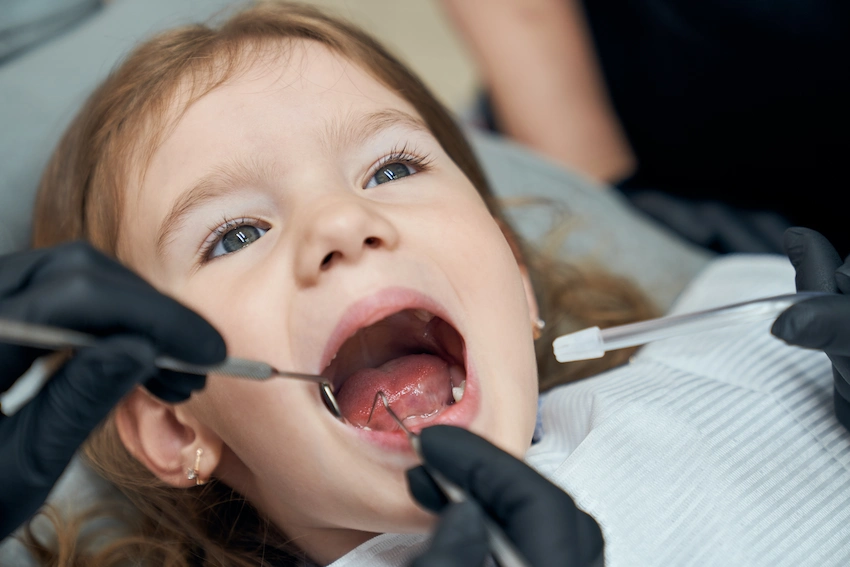
Generally, teething is expected to start between the 4th and 7th months of a baby’s life, but still, every child has their own development. Some little ones get it sooner, while others are late. There is no “right” time—it’s just genetics and timing that matter.
At the very first instance, you would be observing some delicate signs: the baby is more inclined to place his hands in his mouth, gets irritated for no reason, and drools so much that you find yourself having to change the child’s clothes more than once a day. Yes, it is probably teething time.
The first tooth is usually the one that breaks through the gums around the sixth month. However, the signs of teething can be detected already a few weeks before. Just like crawling or walking, this phase is different for every baby, and that is perfectly normal!
🦷 Fun fact: It is even a case when a child comes into the world with a tooth. Such teeth are referred to as “natal teeth” and are very rare; however, they happen!
The Order of Teething in Babies by Month
Want to know the “normal” order of baby teeth? While no two babies are exactly alike, pediatric dentists generally follow this sequence:
| Months | Emerging Teeth |
| 👶 6–10 Months: Bottom Central Incisors | These are usually the very first teeth to erupt. They’re the front two teeth on the bottom row and give babies that sweet bunny-smile look. |
| 🍼 8–12 Months: Top Central Incisors | Next up are the top front teeth. At this point, your baby’s grin becomes more noticeable—and much more photogenic! |
| 😁 9–13 Months: Top Lateral Incisors | The teeth beside the top middle ones now come in, expanding that smile further. |
| 🦷 10–16 Months: Bottom Lateral Incisors | The lower side teeth start filling in the gaps, giving your baby four top and four bottom front teeth. |
| 🍎 13–19 Months: First Molars | These big boys come in at the back and are usually used for chewing food. They can cause more discomfort due to their larger size. |
| 🌟 16–22 Months: Canines (Cuspids) | These are the pointy teeth that go between the molars and incisors. They give the smile a more mature look and help with tearing food. |
| 💥 25–33 Months: Second Molars | The final teeth to arrive! These back molars complete the 20-piece baby-tooth puzzle. |
➡️ Total number of baby teeth? 20! Ten on top, ten on the bottom. And trust us, getting them all is a journey.
What Are the Signs of Teething?
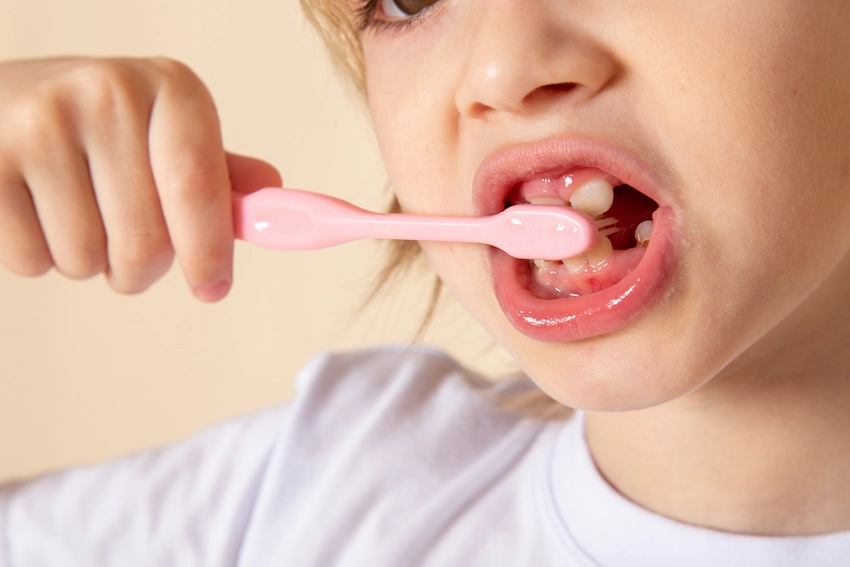
Teething is definitely more than just getting teeth—it means a complete upheaval for babies and parents as well. Most of the signs are not very severe, yet some can be quite strong.
The main signs of teething in your baby are as follows:
- Heavy drooling: You won’t be able to go through a day without changing the bibs several times.
- Chewing everything: Fingers, toys, clothes—there is nothing that is out of reach.
- Fussiness or irritability: The time around nap and bedtime is when it is most visible.
- Sore or swollen gums: Applying mild pressure to the gums might be a relief.
- Disrupted sleep: The baby may be more sleep-wakened at night.
- Slight temperature rise: There might be a low-grade fever.
- Rubbing their cheeks or ears: It is also possible that the pain is in the molar area.
- Loss of appetite: If the gums are inflamed and eating may hurt, the baby will not want to eat.
❌ Very necessary: High fever, rash, and diarrhea are not symptoms of teething. So if you come across such signs, consult your pediatrician.
What Should You Pay Attention to During the Teething Process in Babies?
Teething can be a little nightmare that lasts two whole years and more! That’s a lot of time for the tiny one (and, for that matter, for you as well). Now let me tell you the way of handling it like a pro:
✔️ Keep It Clean
In order to prevent skin rashes from appearing on the area around the mouth and chin, wipe drool off the face regularly. For your baby, use a soft cloth to massage the gums even if teeth haven’t erupted yet.
✔️ Offer Soothing Relief
The use of a chilled and not a frozen teething ring or a wet washcloth to soothe the children’s gums is advisable. Baby can also be given toys made of safe silicone or rubber to chew on.
✔️ Watch for Tooth Decay
The moment the first tooth is visible, a strawberry-sized amount of fluoride toothpaste and a baby toothbrush have to be used. Bit decay is a major issue, especially if the baby is used to feeding from the bottle with milk or juice.
✔️ Avoid Harmful Teething Gels
Do not use over-the-counter numbing gel products containing benzocaine. Such products are hazardous to infants under two years of age.
✔️ Visit a Pediatric Dentist Early
The very first dental check-up for your baby should be at the latest when he is one year old or at the time when the first tooth breaks through the gum. Early visits = healthy smiles.
Why Baby Teeth Matter More Than You Think
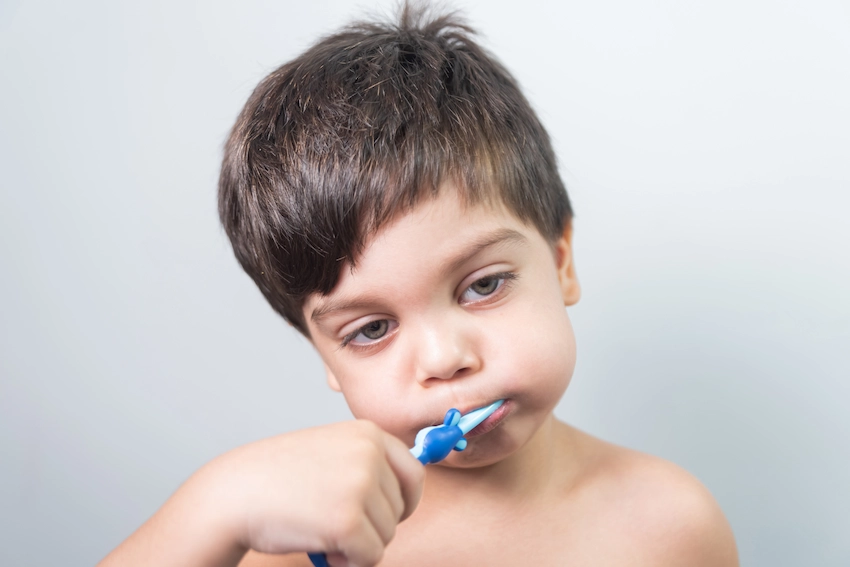
You may have the question in your mind, “They are baby teeth, aren’t they?” The point is, the way baby teeth erupt can be the basis of their future dental health. Mess of teeth, spaces, or premature tooth fall can bring about other problems like speech delay, difficulties in chewing, or incorrect alignment of adult teeth.
Still, though those baby teeth fall out, the marks they leave are permanent. The majority of children—and later on in the teenage years—will require the use of braces, aligners, or even dental veneers to deal with the problem of spacing or appearance that is caused by the development of the first teeth.
Some grown-ups negate the effect of their baby teeth by a full Hollywood Smile restoration with veneers or implants at expert clinics such as Lema Dental Clinic in Istanbul, Turkey—an international dental and cosmetic treatment destination. ✨
Consequently, the answer is positive that primary teeth are more important than people assume!
Frequently Asked Questions About Teething
The first teeth that babies get are normally their bottom front teeth (central incisors); thus, the top front teeth follow, then side teeth, molars, canines, and lastly second molars. Generally, this order of teeth moves from front to back in a symmetrical way.
One tooth at a time can bring the child restlessness for a couple of days only, but the whole teething process may last over two years. Most babies learn to live with the problem gradually as they get more teeth.
The most common way teeth are lost and new ones get in is the bottom central incisors first, then the top central and lateral incisors, the first molars, the canines, and the second molars in the end. Nonetheless, slight differences are quite normal.
The upper teeth might come in before the lower in some children, or the molars may appear earlier rather than the canines. As long as there are new teeth coming up and no pain or delay that goes beyond 18 months, there’s nothing serious.
The first tooth of most babies grows by the age of 6 months, but the period can fluctuate between 3 and 12 months. If there are no teeth appearing by 18 months, a pediatrician or pediatric dentist should be visited.f