


What is a Night Guard?
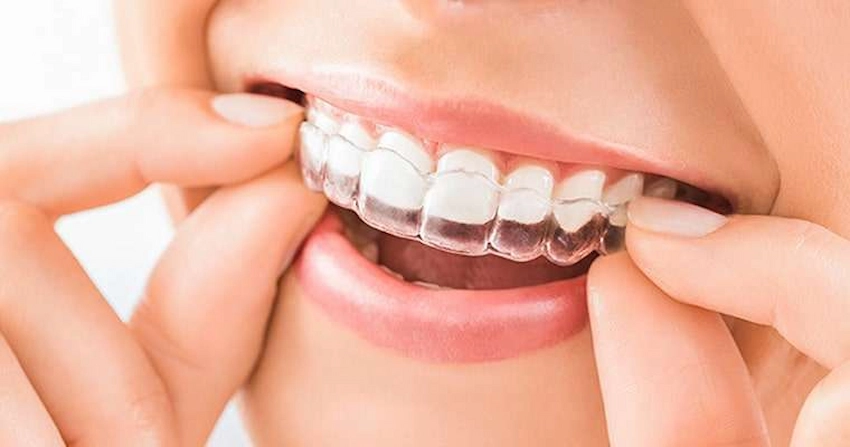
A night guard is a dental device made especially for the purpose of protecting the teeth against the damaging effects of bruxism. Bruxism is a condition where people are found to be grinding or clenching their teeth in their sleep. Such a device will stop tooth damage, lessen the pain in the lower jaw area, and also, make the occurrence of those conditions which are headaches and symptoms usually linked to grinding quite rare. Unless corrected, Bruxism will wear the enamel, break the teeth, and eventually cause tooth loss. Therefore, it is paramount to wear a tailor-made night guard to prevent such an issue. Dentist Polen Akkılıç and her crew at Lema Dental Clinic assert that such precautions have to be taken because oral health can be so much better just by lessening the load on teeth and the jaw.
A night guard, when provided by a dentist like Professor Doctor Coşkun Yıldız, is designed for each patient to ensure the best comfort and efficiency. Such personalization guarantees that the appliance not only gives safety but also gives comfort,t hence patients are more likely to wear it in their sleep regularly. Night guards are made of different materials, and these materials can be soft or hard, subject on the intensity of bruxism. Soft ones are usually for the mild cases while hard ones are for the most severe cases, thus ensuring that each patient gets the right amount of safety.
How Night Guard Measurements Are Taken?
The creation of your night guard starts from the dentist taking exact measurements of your teeth, commonly by dental impressions. Making an impression is the most important step because it ensures that the night guard fits well and is comfortable to wear. At Lema Dental Clinic, Dentist Polen Akkılıç employs the latest 3D scanning technology to get a precise digital impression of your teeth. Innovative technology not only makes old-fashioned molds obsolete but also guarantees the highest degree of accuracy, which results in a better fit and thus better protection against tooth grinding.
Once the impression is ready, the team will make a custom night guard from it that will fit your mouth exactly. The night guard will be made of strong and stable materials, so it will be able to resist grinding and clenching for a nice, long time. The final product will be targeted at preventing tooth wear, relaxing the jaw muscles, and lessening the headaches caused by bruxism.The patients of Lema Dental Clinic can relax and be confident that their night guard will be the perfect shield as the dentists at the clinic tailor each device according to the individual patient’s needs.
What X-rays Are Necessary for Night Guards?
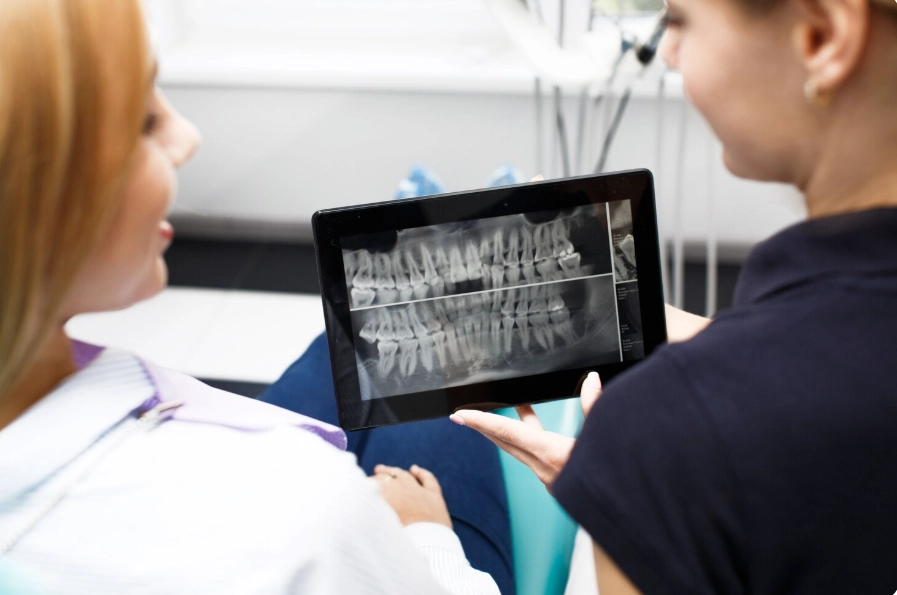
Generally, no X-rays are required when making a night guard. However, Dentist Polen Akkılıç and her team at Lema Dental Clinic might take X-rays to see if there are any hidden fractures of the teeth, decay or damage to the jaw caused by bruxism. X-rays are a vital tool for locating these issues, in particular, if the grinding has progressed to the loss of enamel or joint problems. These X-rays enable the dentist to see how far the damage has gone and figure out the most efficient treatment that will not only include the use of the night guard but will also help to protect and restore the patient’s oral health.
Professor Doctor Coşkun Yıldız can also decide to take the picture if there is a suspicion of the temporomandibular joint (TMJ) being affected by the repetitive motion of grinding. Diagnosing the health of the teeth and jaw joints with X-rays helps the team to not only relieve but also solve the causes of bruxism by using a night guard. This method of treatment prevents the patient from further injuring and thus, his dental health will be in a better condition and he will be provided with long-term protection against the effects of grinding and clenching.
CDT Dental Insurance Codes for Night Guards
- D9944: Custom Fabrication of Night Guard
The D9944 code would be applied when a custom night guard device is made in order to prevent a person’s teeth from grinding or clenching. This code is used when billing insurance after the establishment and fitting of a night guard to a patient’s dental anatomy. Normally, the night guard helps to protect worn-out teeth and prevent damage.
- D9945: Night Guard Re-Creation or Replacement
When the D9945 code is assigned is the situation when a worn or damaged device for night protection or a condition that caused a dental structure to change so that they need replacing or recreation only. This is the code that the doctor uses when the functional parts of the old night guard wear out and a new one needs to be made.
- D9940: Occlusal Guard Adjustment
If it is necessary for a night guard to be changed or modifications made to it after it has been produced (for example, to ensure a better fit or address discomfort), the D9940 code represents the activity. Such an adjustment guarantees that a patient gets the best and most comfortable use of their night guard.
- Additional Codes for Diagnostic and Preventive Care
Sometimes it is necessary to use additional CDT codes to indicate pretreatment and preventive procedures that cause instrumental intervention; in this instance, the need for a night guard, for example, D1110 for prophylaxis (professional dental cleaning), or D0150 for a complete oral examination to evaluate the dental condition before the prescription of a night guard.
Understanding these CDT codes can make the patients more comfortable when dealing with the billing of the night guard and their insurance. However, it is always good to talk with your insurance company about the coverage and the correct codes.
How Are Night Guards Classified Under Insurance Coverage?
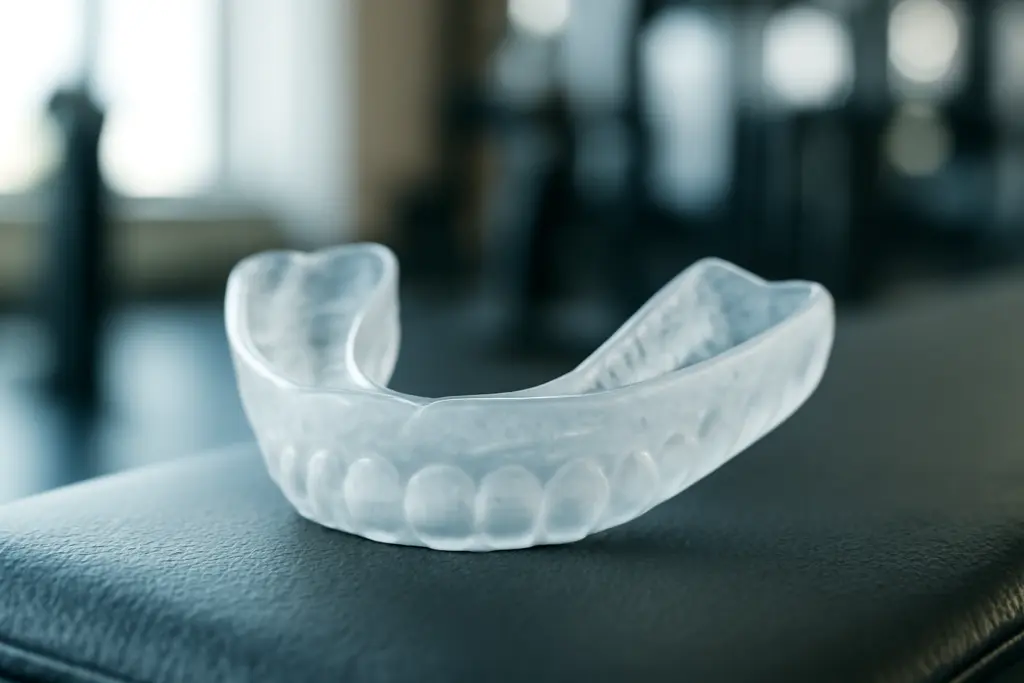
Night guards usually fall under dental insurance as a preventive or therapeutic treatment for bruxism, a disorder of grinding or clenching the teeth. Nevertheless, insurance policies differ, and some plans may only cover night guards partially. It is crucial to verify the specifics of your insurance coverage with your provider to know what is being covered and what you still need to pay for. The team at Lema Dental Clinic helps patients in the process of insurance coverage, thus ensuring that the night guard is the result of medical necessity and covered accordingly.
Those insurance plans that cover the use of night guards may consider them as a preventive measure if the night guard is meant to protect the teeth. On the other hand, some plans may consider it a therapeutic device if it is used for treating an underlying condition like TMJ disorder or severe bruxism. Professor Doctor Coşkun Yıldız frequently decides whether the night guard is a preventive or therapeutic based on the patient’s condition, thus helping them during the insurance approval process for obtaining the most excellent coverage.
Are Dental Night Guards FSA-Eligible?
- Medical Necessity for Bruxism Treatment
Night guards along with other similar dental appliances are usually qualified as a medical expense under Flexible Spending Accounts (FSA) since they have been recommended in the treatment of bruxism which is a medical condition that results in teeth grinding or jaw clenching. Because night guards assist in the avoidance of tooth damage and alleviate the pain associated with bruxism, they are thus considered a medical device necessary for the treatment of this ailment.
- FSA Coverage for Preventive Care
As a rule, the use of the night guard is considered preventive dental care device and thus, it is FSA eligible for the cost to be reimbursed. The doctor or dentist may prescribe the night guard as a treatment for bruxism or temporomandibular joint (TMJ) disorder, and then the night guard’s cost can be covered with your FSA funds, allowing you to reduce the amount of money that you would pay out of your own pocket.
- Required Documentation for Reimbursement
To be able to obtain an FSA reimbursement for a night guard, patients have to provide documentation, including a prescription from a medical or dental professional supporting the need for a night guard for bruxism treatment. In addition, some FSA administrators might require a detailed explanation of the disease such as a letter from the dentist stating the medical necessity.
- Not Allowed for Cosmetic Purposes
In a case where the night guard serves cosmetic purposes only, e.g., an aesthetic purpose unrelated to the prevention of dental damage or discomfort, it will be disqualified for FSA reimbursement. The night guard has to be directly linked with the treatment of a medical condition, such as bruxism or TMJ in order to be eligible for FSA coverage.
- Check FSA Plan Details
FSA eligibility depends on the particular plan and thus it would be wise to confirm this with your FSA administrator or look through the guidelines prepared by your employer. Nevertheless, night guards are regularly a part of the expenses that can be covered by FSA plans for patients with bruxism or TMJ.
Do Night Guards Require Prior Approval and Referrals?
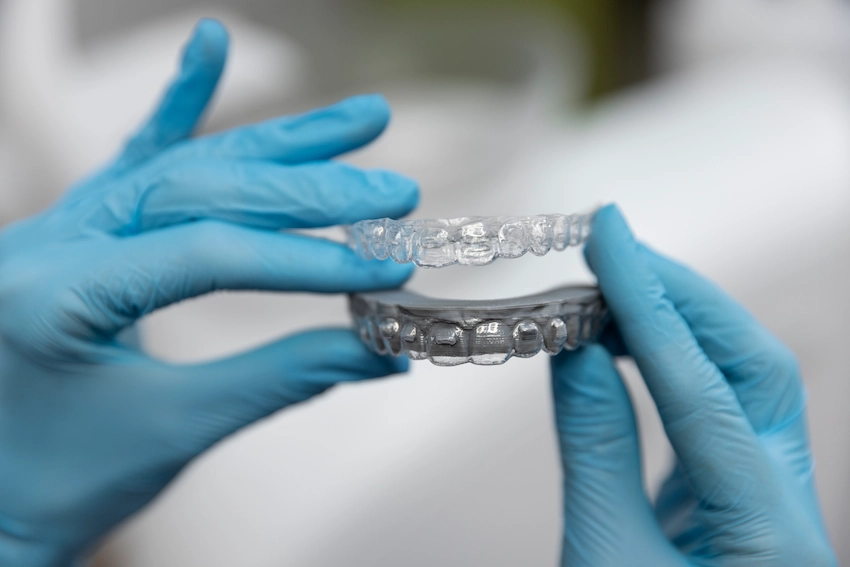
Typically, night guards are out of pocket and do not need approval from the insurance company or a referral from the doctor. Nevertheless, there is a possibility that an insurance plan may have stipulations that impose the need for prior approval if the night guard is identified as a device for medical purposes. To illustrate, if clenched teeth damage the enamel or cause pain in the jaw, the insurance provider may ask for a medical diagnosis or permission before covering the cost of the night guard. Dentist Polen Akkılıç and her team at Lema Dental Clinic are ready to accompany patients in the collection of the required documents for the submission of prior approval which they make a great effort to ensure that the process is quick and seamless.
Together with your dentist, you will be provided with the referral and necessary documentation if a referral is required. Professor Doctor Coşkun Yıldız recommends that it is always best to verify with an insurance company whether there is a need for prior approval or a referral before treatment is started. This action in advance enables you to keep away from the delay and unforeseen expenses.
Can I Bill My Health Insurance for a Night Guard?
Charging a health insurance for a night guard is definitely dependent on the details of your plan. If your health insurance supports dental treatments that result from a medical condition, for example, bruxism or temporomandibular joint (TMJ) disorder, then you can submit a claim for a refund. However, most health insurance policies do not cover night guards that are considered a part of regular dental care, so you may only have limited coverage. At Lema Dental Clinic, the team and the billing office, led by Dentist Polen Akkılıç, are always ready to collaborate with patients in understanding their billing and providing support in filing their insurance claims.
Regardless, if your policy does not allow for such coverage, you still have the option to pay for the night guard costs. Some patients may use FSA and HSA accounts if they are eligible, and the rest may consider the dental payment plan option with the office. The team at Lema Dental Clinic is dedicated to lowering the treatment prices enough to allow all patients to get the care that they want and need.
| Topic | Details |
| CDT Dental Insurance Code for Custom Night Guard (D9944) | Custom fabrication of a night guard to prevent damage caused by bruxism. Covers the initial creation of the appliance. |
| CDT Dental Insurance Code for Night Guard Replacement (D9945) | Used when a night guard needs to be replaced due to wear, damage, or changes in dental structure. |
| CDT Dental Insurance Code for Adjustment (D9940) | Refers to the adjustment of a previously made night guard to ensure it fits properly and comfortably. |
| Additional CDT Codes for Diagnostic and Preventive Care | Codes like D1110 (prophylaxis) and D0150 (comprehensive exam) may be used if needed for diagnosis before a night guard is prescribed. |
| FSA Eligibility for Night Guards | Night guards are eligible for FSA reimbursement if prescribed for treating medical conditions like bruxism or TMJ. |
| Documentation Required for FSA Reimbursement | A prescription from the dentist or doctor and possibly additional documentation explaining the medical necessity of the night guard. |
| Ineligibility for Cosmetic Purposes | Night guards are not eligible for FSA reimbursement if used for non-medical, cosmetic reasons such as improving appearance. |
| Check FSA Plan Specifics | FSA eligibility varies by plan, so patients should check with their FSA administrator to confirm coverage for night guards. |
References
- American Dental Association. (2020). Current Dental Terminology (CDT) codes for 2020. American Dental Association.
https://www.ada.org/en/publications/cdt - Lema Dental Clinic. (n.d.). Night guards: An effective treatment for bruxism and teeth grinding. Lema Dental Clinic.
https://www.lemaclinic.com/night-guards - Mayo Clinic. (2021). Bruxism (teeth grinding). Mayo Foundation for Medical Education and Research.
- U.S. Department of the Treasury. (2021). IRS Publication 969: Health Savings Accounts and Other Tax-Favored Health Plans.
https://www.irs.gov/publications/p969
Frequently Asked Questions: What is the Night Guard Dental Code?
A night guard is a dental appliance designed to protect your teeth from the effects of bruxism, such as grinding and clenching. It helps prevent tooth damage, jaw pain, and headaches associated with bruxism.
Night guards are custom-made based on impressions of your teeth. This ensures a perfect fit that provides optimal comfort and protection.
Insurance coverage for night guards depends on the plan. Some plans cover night guards as preventive care, while others may require additional documentation or approval.
Yes, night guards are generally eligible for reimbursement under a Flexible Spending Account (FSA) as a qualified medical expense related to treating bruxism.
A prescription is not typically required, but some insurance plans may require a doctor’s note or medical diagnosis to ensure reimbursement.
Night guards are typically worn at night, but in some cases, they can be worn during the day if recommended by your dentist.
Yes, there are soft, hard, and dual-laminate night guards, each designed for different levels of bruxism severity.
Clean your night guard with mild soap and water, and brush it gently with a toothbrush. Avoid using harsh chemicals or hot water.
Night guards generally last between 1 to 5 years, depending on the material and frequency of use.
You may be able to bill health insurance for a night guard if it is deemed medically necessary, depending on your plan’s coverage.

