


Maryland Bridge is a dental bridge that comes in the shape of the kind of teeth that have been lost, most commonly the front ones, or the anterior part of the mouth. A Maryland Bridge differs from the usual bridges in that it does not need the neighboring teeth to be ground down and crowned, but instead, it employs a resin-bonded design that is glued to the back of the neighboring teeth. As there is little or no preparation involved in this procedure, it is a conservative and cheaper method of tooth restoration.
The bridge is the one that changes a metal or porcelain framework that has been bonded to the neighboring teeth with a prosthetic tooth (pontic) to take the place of the lost one. Although this restoration is primarily used to replace a single missing tooth, it can also be adapted to work for multiple missing teeth.
Essential Parts of a Maryland Bridge:
- Pontic: The artificial tooth that fills the space left by a missing tooth.
- Framework: The metal or porcelain structure that supports the pontic.
- Wings: The metal extensions that are fixed to the back of the adjacent teeth to provide support for the bridge and keep it in place.
Maryland Bridge Dental Code
The dental code for a Maryland Bridge is one single code that denotes the performance of a dental procedure of a certain type. Such codes are utilized by dentists in order to keep records straight and receive payment for the work done, while insurers use them to verify the claims and decide on the coverage.
So, what are the codes used to identify Maryland Bridge procedures? These codes are determined by the complexity of the procedure and the number of teeth involved:
- D1510: This code signifies a Maryland Bridge with a single pontic that is used to replace one missing tooth.
- D1515: This code is associated with a Maryland Bridge having multiple pontics and is used when the number of missing teeth to be replaced is more than one.
Using the correct dental code is the surest way of getting the right procedure billed and the patients receiving their proper reimbursement from the insurance company. Dental codes are convenient for both patients and dental professionals as they make the whole process smooth and efficient.
How Does a Maryland Bridge Work?
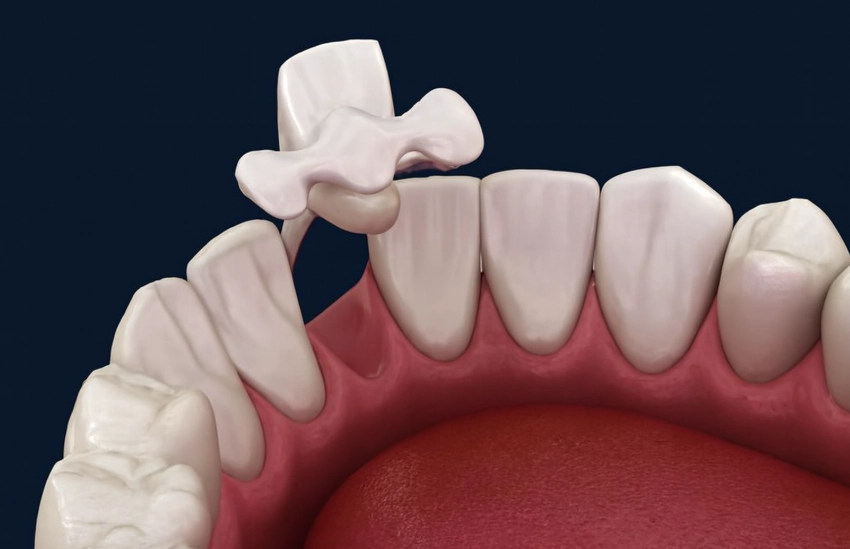
The installation process of a Maryland Bridge is quite simple when compared with that of traditional bridges. Only a few preparations are made on the teeth adjacent to the restoration, which is usually done during a couple of visits. The operation generally goes like this:
Step-by-Step Process for a Maryland Bridge:
- Initial Consultation: The dentist examines the patient’s oral health, reviews the x-rays, and decides whether a Maryland Bridge can meet the patient’s needs.
- Tooth Preparation: As a Maryland Bridge is a minimal intervention, the adjacent teeth for a traditional bridge which have to be filed down for crowning are left intact. The dentist reshapes the back of the adjacent teeth very slightly to make the bonding easier.
- Impression and Mold: The dentist takes a picture of the prepared area and makes a mold of the patient’s teeth for the bridge.
- Temporary Bridge: It is possible that a temporary bridge is installed during the period when the permanent Maryland Bridge is being made at the dental lab.
- Bonding the Maryland Bridge: When the permanent bridge is there, the dentist glues the Maryland Bridge to the adjacent teeth with a strong adhesive resin. Therefore, the pontic is the one that becomes your fixed dental restoration.
Benefits of a Maryland Bridge
Maryland Bridges have a lot of advantages over traditional dental bridges and other restorative options. Some of the most significant benefits are:
1. Conservative Approach:
The major benefit of a Maryland Bridge is the bare minimum of preparation it requires. The teeth next to the one that will be crowned are ground down for traditional bridges, while only a slight reshaping of the back of the adjacent teeth is done for a Maryland Bridge. In this manner, less of the natural tooth structures are preserved.
2. Cost-Effective Solution:
In most cases, Maryland Bridges are less costly than other methods of tooth replacement such as traditional bridges or dental implants. They provide a budget-friendly solution for the replacement of missing teeth as they require fewer materials and less invasive procedures.
3. Quick and Non-Invasive:
The procedure for a Maryland Bridge is a quicker one as well as a less invasive alternative to other restoration methods. Normally, it takes fewer visits, thus making it an ideal choice for patients who want a quicker solution.
4. Aesthetic Appeal:
In general, Maryland Bridges are used for replacing the front teeth where the primary concern is the cosmetic aspect. They give a natural-looking result that blends perfectly with the existing teeth, thus providing a cosmetic benefit to the patients who have lost their front teeth.
5. Preserves Adjacent Teeth:
As the teeth abutting the one that will be substituted are not going to be radically changed, the Maryland Bridge assists in maintaining the natural health and the original structure of the neighboring teeth. Therefore, it is a great solution for people who wish to steer clear of the potential dangers of more invasive restorations.
6. Maintains Oral Functionality:
With the help of a Maryland Bridge, oral functions like chewing and speaking get improved as the missing teeth are replaced. In this way, patients are enabled to live their normal life with the restored function of the bite.
Maryland Bridge and Insurance Coverage
The part that the Maryland Bridge dental code plays in the insurance process is very important. These codes are what insurance companies base their decisions on when it comes to the appropriate coverage for the procedure. Given that a Maryland Bridge is less invasive and cheaper than traditional bridges or implants, most insurance plans will cover a large part of the expense.
Insurance and Coverage for Maryland Bridges:
- Verification: Patients should make sure that their insurance will cover the procedure before they go for it by consulting their dental provider. There might be certain requirements set by the insurance companies that refer to the coverage of Maryland Bridges.
- Kinds of Coverage: Insurance coverage can be full or partial, depending on the patient’s plan. If the patient is required to pay a co-payment or a deductible, then the insurance will only cover a part of the cost.
The most important thing for patients is that the correct dental code is used when filing a claim. It is a way of ensuring that the procedure is paid for accordingly and thus avoiding potential delays in the processing of insurance claims.
When Should You Consider a Maryland Bridge?
Patients who want to replace a single or a few of their lost teeth in the anterior (front) region of the mouth with a Maryland Bridge would be making the right decision. It is appropriate for patients who:
- Have neighbors that are strong and healthy teeth which do not require major changes.
- Use a non-invasive and quick method to solve the problem of missing teeth.
- Want a cheap alternative to the traditional dental bridges or implants?
However, if a patient has severely damaged teeth next to the one for restoration or needs a more thorough fixing, the dentist will most probably recommend different options such as dental implants or traditional bridges.
Conclusion
Maryland Bridge dental code is a vital component in recording the right information, billing accurately, and getting the insurance money back for the most common method of tooth replacement. Usually, a Maryland Bridge brings back a patient’s smile inexpensively and conservatively that is also visually attractive with little or no area preparation. By understanding the operation, the benefits, and the way dental codes function, patients can make smart decisions regarding their restorative dental care.
Lema Dental Clinic in Istanbul, Turkey, is the place if you want top-notch care and a treatment plan made just for you. Dentist Polen Akkılıç with her team make it their mission to deliver the most excellent solutions which will match each patient’s unique needs.
References
- American Dental Association. (2021). Dental Terminology and Procedures.
- Perry, R., & Lee, R. (2015). Dental Restorative Options for Missing Teeth. Journal of Clinical Dentistry, 23(4), 178-183.
- Huang, Y., & Yau, H. (2019). An Overview of Dental Bridges and Their Applications. Journal of Prosthetic Dentistry, 44(6), 452-458.
Frequently Asked Questions About Maryland Bridges: Understanding the Procedure, Benefits, and Insurance Coverage
A Maryland Bridge is a tooth replacement that uses minimal preparation of adjacent teeth for bonding a false tooth in place.
The procedure takes two visits, including tooth preparation and bonding the pontic to the adjacent teeth.
Yes, Maryland Bridges are generally more affordable, offering a budget-friendly alternative to traditional methods.
Maryland Bridges require less preparation, offer a quick restoration, cost less, and look natural, especially for front teeth.
Insurance typically covers Maryland Bridges with proper codes (D1510 and D1515) for single or multiple pontics.
Yes, Maryland Bridges can replace multiple missing teeth, though they are most commonly used for single teeth.

