


The D7210 dental code is generally used to indicate the surgical removal of an impacted tooth which is completely covered by bone and requires a complicated extraction. This operation is necessary when a tooth cannot naturally come out through the gum tissue. The D7210 surgical extraction is carried out to save the oral cavity from ultimate health scenarios; it helps to keep the neighboring teeth, supports the jawbone, and prevents the formation.
Understanding Dental Impaction and the Need for D7210 Extraction
Dental impaction is the situation of a tooth that does not come out from the gums of the jaw area and, hence, becomes a source of harm for the adjacent teeth as well as the structures around it. The problem greatly influences the development of truth molars (third teeth) that are usually to be removed by the D710 surgical technique because of the shortage of jaw space. An impacted tooth can be oriented in different ways in the jawbone, such as:
- Horizontal Impaction: Teeth that grow sideways and penetrate the roots of the adjacent teeth, resulting in significant displacement.
- Vertical Impaction: Teeth are deeply embedded in the jawbone and hence, are incapable of natural eruption.
- Mesioangular Impaction: Teeth are forward-angled towards the mouth, creating an alignment problem.
- Distoangular Impaction: Teeth are backward angled and pressing the back of the mouth.
Each kind of impaction needs different tactics in terms of surgical strategy and performance to make sure that the tooth removal is safe and effective.
According to the American Association of Oral and Maxillofacial Surgeons, almost 90% of the population gets an impacted wisdom tooth at least once in their lifetime. If the problem of impaction is ignored, it may cause severe oral health conditions such as infection, tooth decay, and damage to the adjacent teeth. The flesh around an impaction is an ideal place for microorganisms to settle and thus, it may cause different kinds of infections that will consequently spread to other parts of the oral cavity. Moreover, such teeth can lead to external resorption of the nearby tooth roots or dentigerous cysts formation which subsequently leads to the destruction of jawbone tissue. D7210 intervention at an early stage will ward off these problems putting oral hygiene in a safe position for the future.
The D7210 Procedure: A Step-by-Step Explanation
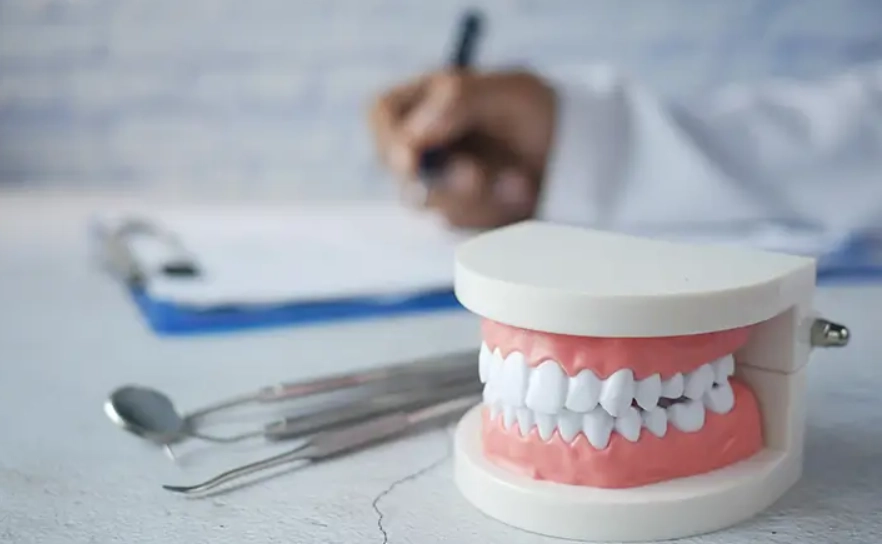
The D7210 surgery and extraction follow the detailed and organized steps to ensure the patient’s safety, accuracy, and the best possible outcome. Dentists do the thorough preoperative check, which also means, besides the clinical examination, they use modern imaging methods to really understand the exact location of the impacted tooth.
One such method is the panoramic X-ray that shows a wide view of the jawbone, while cone beam CT scans give a 3D view, thus, helping a surgeon accurately mapping of the tooth in relation to such structures that are around it like nerves and sinuses.
Those are very important methods in the surgery plan as they show the doctor the things he must be careful about e.g. the inferior alveolar nerve (which is in the lower jaw) or the maxillary sinus (which is in the upper jaw) and by doing the surgery he does not have to hurt them. That kind of very detailed
Before the operation plan is very important if you want to avoid the troubles and have a safe and successful intervention.
The operation schedule is determined; the anesthetic injections are administered, the patient will feel no pain during the intervention. Surgeons initially make a tiny incision in the gum covering to get to the bone beneath. Removal of a piece or section of the bone that is covering the impacted tooth will follow. Many times, the division of the tooth into small new parts is necessary for the easy and quick removal. Taking apart tooth sectioning is the method by which a surgeon, while in small parts, can take the tooth out thus at the same time doing less damage to the surrounding tissue.
After the tooth has been extracted, the site is cleared well and the socket is opened to remove any refuse or infection. Stitches are put on the help of the tissues’ healing and those seams usually get off by themselves in one to two weeks.
Recovery and Aftercare Following D7210 Surgery
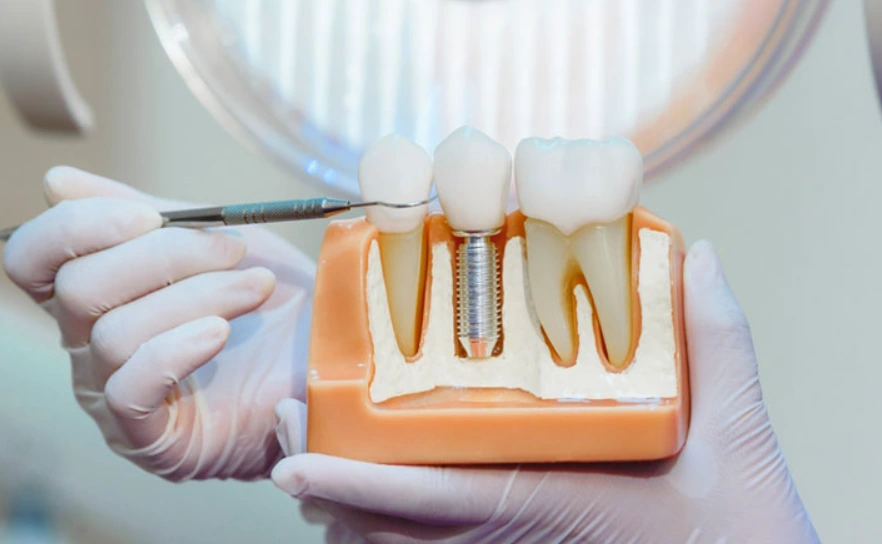
The right post-surgical cares are the main helpers to a trouble-free recovery and the risk of complications after the D7210 operation will be least. The first thing after the intervention, patients will be told to press the gauze pads on the bloody areas for thirty to sixty minutes to stop any bleeding. Cooling of the outer cheek, using ice packs, is also suggested for the first 48 hours in order to lessen the swelling. To ease the pain and fight against the infection, doctors may provide the patients with medications and antibiotic drugs.
After one day from the surgery, patients are advised to start gentle rinsing of the mouth with salt water as a part of their oral hygiene routine and also, such rinses will make the surgical area more accessible for cleaning. Sticking blueprints like these will facilitate the healing process to its fullest and lower the chance of infection or other complications.
The healing process for the removal of D7210 follows the time frame that can be predicted and, it is dependent on the patient’s post-surgery instructions compliance. The biggest part of the swelling takes place in the first 72 hours and after that, it slowly goes away. Within the period of one to two weeks normal chewing and eating capabilities are usually regained. During the first stages of healing, patients should eat only soft food and they must not use straws as the suction may interfere with the healing site. Intense physical exercises should not be performed for at least five days after the operation. Complete bone healing and soft tissue maturation may last from three to six months, however, the follow-up appointments will allow the surgeon to check the progress of the recovery.
Benefits and Importance of D7210 Surgical Extraction
The D7210 operation is the one that helps a lot, instantly, as it gets rid of the problems resulting from the impacted teeth before they turn into something much more serious. Removing impaction is the pain-causing elimination first and foremost, the operation thus, makes the patients free from discomfort that is caused by the pressure of the teeth on the nearby structures. Besides that, it stops the onset of pericoronitis which is a very painful gum infection accompanying the partially erupted teeth, and, as well, it prevents possible cyst development and the destruction of the jawbone.
The extraction of an impaction also shields the neighboring molars from the harm that may come to them, such as root resorption, and cavity formation, which can be the results of prolonged pressure and bacterial accumulation around the impacted tooth. The D7210 removal is a step toward the preservation of the teeth and jaw structures’ health, it is a prevention of future dental problems, and maintenance of good oral health at the same time.
Nowadays, due to the improvements in surgical methods, D7210 operation is being done with piezoelectric surgery instruments that employ ultrasonic vibrations for cutting the bone with the least possible damage to the soft tissues. Moreover, the use of platelet-rich fibrin membranes has also become a common practice, thus, the healing process is accelerated, and the postop discomfort is reduced. All these innovations make the D7210 clinic safer and more comfortable, effective to a higher degree than ever before.
Potential Complications and Risk Management
Even though the D7210 operation is a success most of the time, it is a good thing if patients are aware of the possible difficulties and the ways they are handled. The worst complication is dry socket, this is when the blood clot that has formed in the extraction site is removed thus, causing a very painful sensation. A medicated dressing will be applied by a dentist or a surgeon to help the healing process if this situation occurs.
There are also other possibilities such as the temporary numbness in the lip, chin, or tongue, which happens most probably in the case of lower jaw extractions as nerves are close by. Most of the time, these conditions disappear within six to eight weeks. Small infections at the site of surgery may be developed, but usually, they are treated by antibiotics. One of the infrequent complications is sinus communication during upper molar removal, which mostly cures itself and in some cases, it may need a little intervention.
Among the risk minimization tactics that surgeons implement, there is preoperative imaging for accommodations of anatomical variations and the usage of antibiotics for patients with medical conditions that might lead to the weakening of the healing process. The patients also have the opportunity to lessen the risk if they adhere strictly to the instructions for the postoperative care, for instance, by non-smoking and having good oral hygiene.
D7210 Coding and Financial Considerations
D7210 dental code is an important factor in the documentation of the surgical process accurately, it is an aid for the dental professionals when they are submitting insurance claims for reimbursement and keeping thorough treatment records. In most cases, dental insurance plans will take care of the costs that come with the D7210 operation if it is judged to be necessary from a medical point of view. However, the coverage depends on the insurer and the policy. Before the surgery, patients can get pre-treatment cost estimates in order to figure out the money matters that they will be responsible for.
There are places where patients can get to plan the payments or have other financing options which will make the life and the pocket of a patient easier in terms of out-of-hand expenses, and it will be ensured that patients can still get the necessary care without financial strains.
Advanced D7210 Surgical Care at Lema Dental Clinic in Istanbul, Turkey
In case you are looking for a place to have your D7210 extraction, Lema Dental Clinic influenced by the beauty of Istanbul, Turkey is the place where your surgical care will be taken at a global-class level. The clinic’s team of oral surgeons who have the expertise and experience use the most up-to-date imaging techniques and computer-guided surgery methods to ensure accurate treatment planning and execution. Dealing with complex impaction cases for years, Lema Dental Clinic has become a reliable option for patients seeking advanced dental care.
Moreover, the clinic’s dedication to quality doesn’t stop where the surgeon operates. Lema Dental Clinic takes the burden off your shoulders with the full range of care, from the first meeting before the surgery, instructions after the surgery, and continuous remote monitoring during recovery. Communication is never a problem for international patients as the staff speaks many languages, and a comfortable recovery area with the help of a nurse is there to make the healing time as easy as possible.
Conclusion
The D7210 dental code stands for a paramount procedure in contemporary dentistry that deals with the complicated matter of impaction and thus, safeguards patients from undergoing severe dental complications. This is a procedure that brings about quite a few advantages by extracting the teeth that cause pain and trouble before making permanent damage. Today, with the help of advanced technologies and enhanced surgical skills, D7210 extractions turn out to be safer, hassle-free, and more effective in achieving the desired results for the sufferers. In the case when you are working on a decision about a D7210 operation, then the meeting an experienced oral surgeon for the best possible care and results is a must.
References
- American Association of Oral and Maxillofacial Surgeons. (2020). Impacted Wisdom Teeth: Causes and Solutions. Retrieved from
https://www.aaoms.org - Green, R., & Thomas, J. (2019). Oral Surgery: Principles and Techniques. 3rd ed. Elsevier Health Sciences.
- Lema Dental Clinic. (2023). Advanced Surgical Techniques for Wisdom Tooth Extraction in Istanbul. Retrieved from
https://www.lemadentalclinic.com
Frequently Asked Questions About the D7210 Dental Code
The D7210 dental code refers to the surgical removal of an impacted tooth that is completely covered by bone, requiring a complex extraction process.
Impacted teeth are often removed using the D7210 procedure to prevent serious oral health issues such as infections, damage to adjacent teeth, and jawbone destruction.
The D7210 procedure is performed under anesthesia to ensure the patient’s comfort, and patients are usually prescribed pain medication to manage discomfort during the recovery period.
Complete recovery from a D7210 extraction, including bone and tissue healing, can take approximately three to six months, though most patients regain normal function within one to two weeks.
Potential risks include dry socket, temporary numbness, minor infections, and, in rare cases, sinus communication, which can be managed with proper care and follow-up.

