


Dental implant recovery usually takes 3–7 days, while full healing may take a few months.
The average healing time post dental implant surgery really hinges on how you interpret the term healing. Most patients will be able to resume light physical activity only a couple of days after the procedure.
Nonetheless, the period of integration where the implant becomes securely fixed into your jawbone is much longer.
Pain after treatment with implants and the initial swelling should fade away in the first week. The phase of full bone healing might go on for three to six months. This process is termed osseointegration, and it plays a vital role in the stability of implants over time.
The rate at which you recover will depend on a range of factors. It is perfectly common to have a few implants placed; the quality of your bones, smoking, the condition in general, the type of work that was done, etc., can make a difference for a while.
What Happens Immediately Following Surgery?
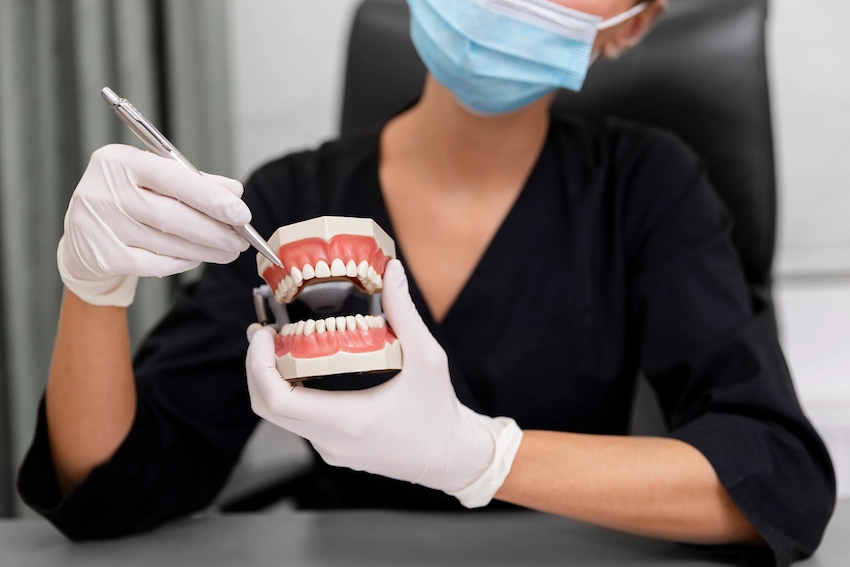
Sitting on a dental Implant surgery is a mild form of trauma on the body. So the body’s response would be pain, swelling, or even a little bruise, and minor blood loss. These are the signs that the recovery process has started.
Sometimes, it might also hurt if you are using the operated area to do normal things like having food or brushing your teeth. Swelling is likely to show up after about the first 48 hours, but it should be gone gradually.
Your doctor may recommend pain medications and may suggest some techniques on how to clean that area. The use of ice packs could also be effective at controlling the swelling, especially during the days right after the surgical operation.
If only a simple implant was done, there is a high chance that you will not require an extended period of time not to do the usual things in life.
On the other hand, it might be necessary to have a couple of rests after the operation, particularly if it was a more complex treatment and the type of work you do requires a certain level of activity immediately after it.
How Long is the Recovery Time?
Initially, the time period for recovery will probably be one to two weeks. Swelling should get less and less,s and the tenderness as we, ll throughout that period.
In the meantime, the part underneath the gum, i.e., the actual implant, continues healing and bonding. Bone that comes after the implant grows and forms a solid connection.
The deep healing stage would require an average of 3 to 6 months.
To feel fully recovered does not necessarily mean that the implant has been healed fully. You can feel totally normal several days after the operation while the bone around the implant is healing, which continues growing and hardening; that takes months and months.
What Does the Healing Process Timeline Look Like?
The healing process during a dental implant will be several phases. As far as the patients go, the timing will be slightly different since the procedures vary as well.
| Healing Period | What You Usually Encounter During Healing Period | Your Reaction to It |
| Within the first 24–48 hours | A small blood clot forms, indicating that healing has begun | Mild bleeding, pain, and swelling |
| Days 3–7 | The soft tissues begin to heal gradually | Swelling and pain start to decrease |
| After about 1–2 weeks | Gum healing continues | Day-to-day activities should start feeling easier |
| About 6–8 weeks | The soft tissue surrounding the implant becomes more firmly established | The treated area feels more like the rest of the mouth |
| 3–6 months | Osseointegration continues | The implant becomes firmly integrated with the jawbone |
| Once healed | The implant is examined before proceeding with restoration | The dentist checks whether the implant is ready for the final restoration |
At the latest stage, restoration could be either a crown, bridge, or any final prosthesis.
Reviews from scientific literature revealed that a few days after implant surgery, a layer of new bone forms on the implant surface, and gradually, remodeling will continue. It’s also noted that bone resorption followed by bone reconstruction is quite likely when using the same implant for several teeth.
It’s this reason why it’s of great importance to take care regularly by attending follow-up visits. In order not to compromise your oral health, the professional dentist is supposed to make sure that healing progresses normally so as to decide when to start the next phase. For example, if it is delayed-loading.
When is it Appropriate to Make an Emergency Call to Dentist?
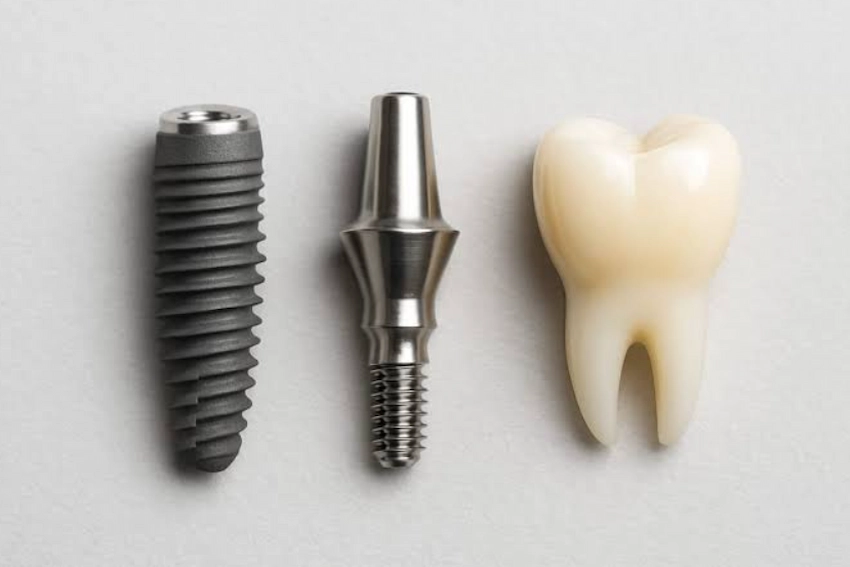
Some amount of pain after implant placement surgeries is a normal part. Nonetheless, you should not be experiencing an increase in swelling, the pain is persistent and severe, the pain is the only thing preventing you from eating or doing your daily routine, you’ve found that the implant has moved loose, you are suffering from a fever, or a strange odor.
In case you have severe swelling affecting your ability to swallow or breathe, it is highly recommended that you seek a physician immediately.
In this respect, bleeding that keeps ongoing for long periods is also an emergency to be assessed as a priority.
If the symptoms and healing you experience deviate from the expected pattern, it is highly advised to contact your dentist right away before you try to tackle it yourself through home remedies.
How to Care for Yourself After Surgery?
Taking the recommended care after treatment will reduce discomfort and accelerate recovery from surgery in the healing phase at the implant site, while preventing any complications during the whole treatment with implants.
Be still, take it easy, and stay away from heavy workouts in those few days after the operation. Take a cold pack only if the dentist told you to do so and go for food that won’t create pressure at the surgically treated site.
In addition, brushing your teeth should also not be neglected, but please treat that part delicately. Probably you will not even know when this area is completely healed. So for a few days at least,t your doctor might want you to use only special mouthwash (e. g., salt water or chlorhexidine) as long as the site is still healing.
For healing and health-related problems, it has been proven that a person who consumes cigarettes after an operation will need more time for full healing plus has a higher chance of facing complications with the implant, which are hard to correct.
The most important advice, of course, is to do everything that your specialist told you to.
In case different types of implants and bone grafting are required, the implant placement is done at different times depending on the condition and needs of the individual.
Healing Stages After Implant Surgery
The term ‘healed’ when it comes to implants cannot be considered from a single point of view. Several physiological stages take place before the implants attain solidness and stability to bear the weight of a restoration.
In the first stage, the implant site is covered by a blood clot, and the area around the implant initiates healing. Healing cells arrive in that area and start patching up the injury in the vicinity that the implant occupies.
Eventually, fresh bone is formed around the implant surface. This is the first stage of getting the implant to be firmly attached to the bone by bone. Scientific research indicates that the bone can be regenerated on the implant, and that can happen as early as a few days.
Gradually, immature bones are transformed into mature and well-organized ones. That is how an implant gains more biological stability.
After about 3 to 6 months, there will be a few implants that have reached an integration level enough to have a restoration placed on them, depending on the quality of the bone, the position of the implant, surgical technique, and individual healing response.
Implant healing is done at Lema Dental Clinic according to how it will fit each patient’s treatment plan. Check-ups during the different periods of the healing process will help determine when the implant is ready for the next part of treatment.
FAQ
How many days of rest will it be safe for me to take after my dental implant surgery?
If you have had a very simple implan , it’s possible that a one-day or two-day break would be more than enough for you to recuperate. But, it may be that you will need even longer if you have done multiple implants or have had other dental procedures done as well.
How long does it normally take for healing of implants in the jaw to complete?
The whole healing period of bone that takes place between an implant and the jaw can take up to about 6 months, and sometimes the time is even longer depending on several factors including bone type, implant position, the surgery method, and individual healing responses. As far as tissues of the oral cavity are concerned, the discomfort is gone sooner.
When will implants be firmly attached and integrated into the bone?
Typically, fusion and integration of a dental implant takes between 3 and 6 months.
How can the healing of dental implants be accelerated?
Adequately following post-care guidelines, keeping good oral hygiene, consuming nutritious food, scheduling follow-ups, and refraining from smoking are the methods that could lead to speedy healing.
What are the most common reasons when an implant is lost after placement?
The healing stage of the implant is not a single event, and an implant problem at this stage is most common when the bone around the implant has not integrated properly, or the surface of the bone is not stable. These types of problems can result in implant complications later from periodontal disease, bone resorption, implant overload, smoking, or general health factors. Hence, the periods of healing and also the maintenance after the healing period are both critical.
References
- American Dental Association – Dental Implants
Patient information about dental implant treatment and osseointegration. - PubMed – Osseointegration of Titanium, Titanium Alloy and Zirconia Dental Implants
Scientific review of bone healing and implant integration. - PubMed – Temporal Sequence of Hard and Soft Tissue Healing Around Titanium Dental Implants
Research reviewing soft tissue and bone healing after implant placement. - PubMed – Histological Healing Outcomes at the Bone-Titanium Interface
Systematic review of healing and osseointegration around dental implants. - NHS Patient Guidance – Dental Implant Surgery and Recovery
Guidance on swelling, pain, aftercare, oral hygiene, and recovery following implant placement.

