


Pulpitis refers to a situation in which the pulp of the tooth, the soft part inside the tooth, gets inflamed. Ailing in this way usually causes intense pain, and if the condition is left untreated for a long time, it might lead to the development of a dental abscess, the spread of infection in the roots, or even the loss of the tooth.
The pulp in the tooth is made up of nerves, blood vessels, and connective tissue, and when it is irritated or infected, it can cause severe pain, increase the size of the affected area, and cause local hypersensitivity to temperature changes. It might not be as extreme as it is implied in the description above, but pulpitis is, in most cases, curable or controllable, and this is especially true for early-stage detection.
If any discomfort is found, it is essential to get professional help. The Lema Dental Clinic in Istanbul is where the diagnosis and treatment of pulpitis are done. With our state-of-the-art dental treatments, our team is here to bring back your bright smile.
What are the Types of Pulpitis?
Pulpitis is categorizable into 2 major types: namely, reversible and irreversible. Each of these types is defined by its particular difficulties and the possibilities of treatment.
- Reversible Pulpitis: is the less severe form of pulpitis, inflammation of the pulp is still under control. The pulp is irritated but not yet killed in reversible pulpitis. If, by treating the underlying condition, such as a minor cavity or gum irritation, the pulp is healed, then the tooth can resume normal function. The treatment, which is usually cleaning the cavity and filling it, is most of the time sufficient. In this manifestation of pulpitis, the extracted or cold-induced pain, although not very long, is most of the time what the patient makes of it.
- Irreversible Pulpitis: In this more serious form of pulpitis, the infection or injury has been so severe that the pulp is now incapable of regeneration. The discomfort is described to be continuous, loud, and very annoying, at times becoming stabbing, especially at night. Generally, the undesired condition is treated with the help of the root canal operation. In the procedure, the infected pulp is removed, the area is cleaned, sealed, and restored. Extraction may be the case if the tooth is beyond saving in the worst scenario. This category of pulpitis is usually due to heavy decay or a blow to the tooth.
The classification of pulpitis is based on the stage of inflammation in the pulp tissue, namely, reversible and irreversible. Each specific type is associated with its own symptoms and management methods.
How Common is Pulpitis?
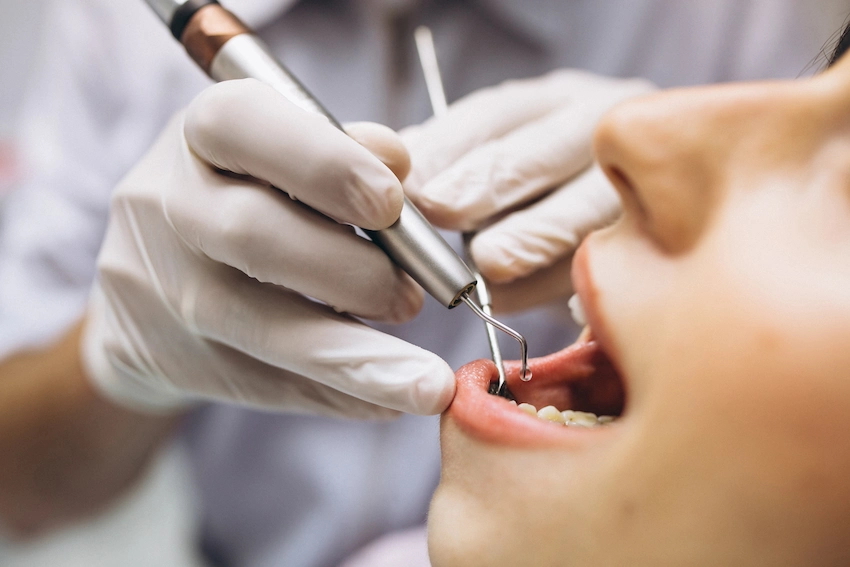
The occurrence of pulpitis is not rare at all, which means it can be found among many cases of different people. For instance, persons who don’t take good care of their teeth, do not visit the dentist regularly, or have undergone dental trauma can develop pulpitis. Research shows that pulpitis commonly ensues from untreated cavities since bacteria might infiltrate the pulp after acid decay has penetrated the tooth that is dying tooth.
The injured sides of the teeth that got hit, cracked, or broken because of the trauma are always exposed to attacking bacteria, and therefore, the people who have sustained tooth trauma will become a target of pulpitis. Unquestionably, in the case of several dental procedures on the same part of the tooth, it is highly probable that the pulp will become agitated or even injured, thus leading to the development of pulpitis over time.
Though regular dental check-ups and oral hygiene modalities can make pulpitis be captured as early as possible and thus the need for very light invasive treatments is less. It is of utmost importance that you undergo a dental evaluation at least once a year, more so if you have any indication of discomfort or a toothache.
What Causes Pulpitis?
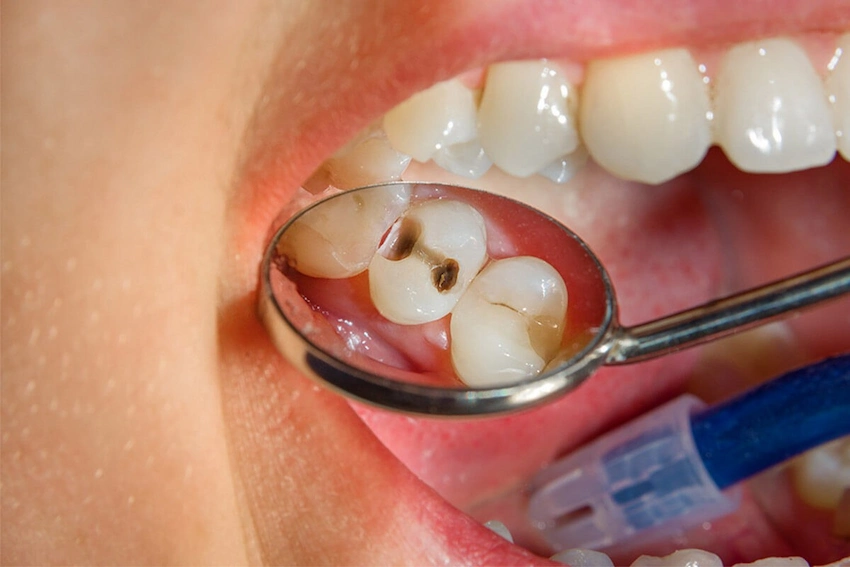
Pulpitis causes are mostly associated with the factors that break the dental enamel of your teeth. The most common causes include:
- Tooth Decay: The decay that leads to cavities, if not treated, provides the bacteria with the opportunity to go deeper into the tooth tissue till they reach the pulp. Thus, the bacteria will infuriate and infect the pulp, and as a result, it will become inflamed.
- Dental Trauma: When a tooth is cracked or chipped, the pulp can be exposed to bacteria coming from the mouth; thus, an infection can be set. Besides, trauma might also cause a disruption in the blood supply to the pulp, giving rise to inflammation.
- Multiple Dental Procedures: The process of having fillings, crowns, or other dental treatments done continually on the same tooth can be a source of stress for the pulp and lead to inflammation.
- Gum Disease: The bacteria resulting from severe gum disease can move to the pulp from the gums and the tissues around, thus causing infection.
These are the most typical causes of pulpitis; the latter may even happen without any discernible cause. Therefore, dental check-ups are very important because they not only help to oversee the dental health of your teeth but also let you catch potential problems at an early stage.
How is Pulpitis Diagnosed?
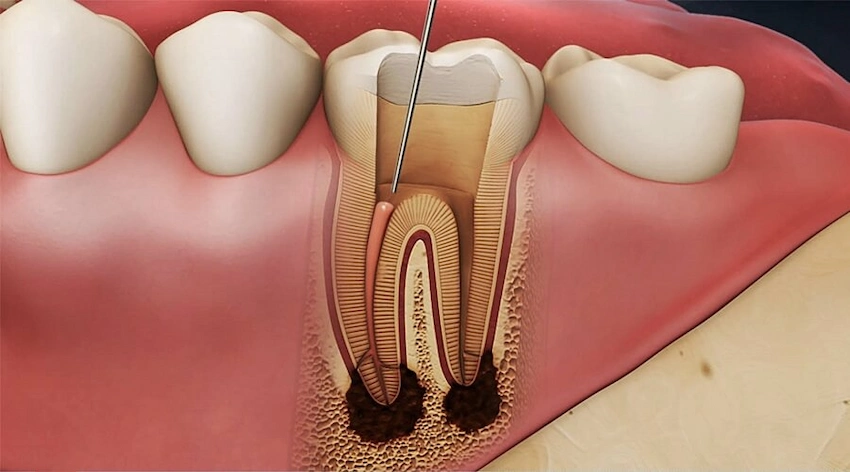
Diagnosing pulpitis needs a thorough dental exam. The dentist will, among other things, evaluate the pain and sensitivity to temperature and sweetness. To find out how far the injury has gone into the pulp and the neighboring areas, an X-ray might be taken. Besides, to locate the area of the disease better and even help in differentiating the condition types, some auxiliary methods like sensitivity tests (to heat or cold) and percussion tests (tapping on the tooth) might be used.
If you have tooth pain or sensitivity, it is very advisable that you see a dentist as soon as possible. If the diagnosis of pulpitis is done timely, not only can the condition be stopped from becoming more severe stages, but also the patient can be saved from treatments like root canals or tooth extractions.
How is Pulpitis Treated?
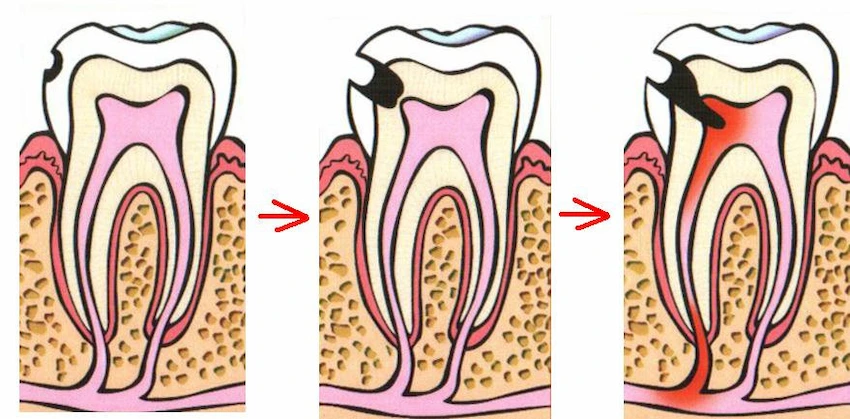
The ways of treatment for pulpitis rely heavily on the first condition, whether it is reversible or irreversible.
- For Reversible Pulpitis: The main goal of treatment is to get rid of the irritant, a procedure that usually consists of cleaning and filling a cavity. After that, the tooth is sealed so as not to allow any bacterial invasion. If the pulp is still alive to the extent that it can recover, this recovery will be done without any other painful procedures. The infected area can be relieved through the use of medications like ibuprofen, which can be taken until the infection disappears.
- For Irreversible Pulpitis: A root canal surgery is the option that is usually taken when the pulp is in the hardest condition and thus unable to be saved. Employing this kind of therapy, the dentist will extract the infected pulp, thoroughly clean the tooth, and fill the space with a certain material that can stop the bacteria from getting in again. A crown or a filling is used to give the tooth its function and esthetics back. Only in a situation when the tooth is at the last point, and the extraction becomes the alternative.
Root canal treatment is a great solution, and through the use of new technological devices, it is usually done with less pain. Quite several patients claim that the pain they experience during a root canal is equal to the one when they get a filling. The process of root canal therapy at Lema Dental Clinic always results in a successful treatment. Our goal is to give you the most modern root canal therapy so that your tooth can be kept as long as it is viable.
If pulpitis symptoms are troubling you or you just want to make sure you have a healthy mouth shortly, then I would really recommend that you make a visit to the Lema Dental Clinic team in Istanbul, Turkey. Having our state-of-the-art treatments can make your teeth return to their optimal health and at the same time, you will be able to enjoy for several years to come with a beautiful smile!
FAQ: What is Pulpitis?
If infection is allowed to worsen, pulpitis will be the cause of an abscess in the tooth or bone loss around the tooth from where the infection started. In extremely severe situations, it might even lead to the removal of the concerned tooth so as to prevent further complications.
Good oral hygiene can go a long way in the fight against pulpitis. This includes brushing twice a day, flossing, and using mouthwash daily. These habits make it possible for pulpitis to be prevented as they help in the avoidance of cavities and tooth decay. Being checked by the dentist on a regular basis is a good preventive measure as it gives the signs of pulpitis quite early, thus saving the teeth from serious infections.
The way of treatment for pulpitis is mainly dependent on the extent of the disease. Reversible pulpitis is often treated by a simple filling procedure, whereas a root canal or tooth extraction is necessary to avoid the infection spreading in cases of irreversible pulpitis.
The inflammation of the pulp usually brings about a sharp tooth pain, sensitivity to hot, cold, or sweet food, and the pain may become more intense at night. Besides that, there is a possibility of the area around the infected tooth being swollen, and the person may feel pain in the area when trying to chew.
The treatment for pulpitis is first to get rid of the cause of irritation, which could be a cavity, and then by giving the tooth a filling or a root canal treatment to restore it. In case the infection is at a very high level, then removal of that tooth may be the only way to go so as to ensure the oral health of the patient is maintained.

