How is a Professional Dental Cleaning Done?
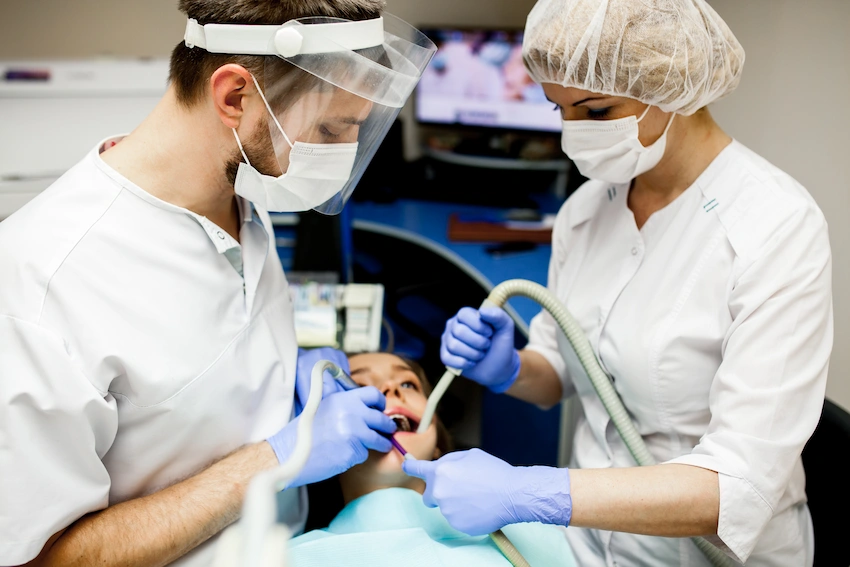
Professional dental cleaning is considered by experts to be a necessary element of oral health management. It’s an extensive cleaning procedure that goes beyond the basics of oral hygiene. This process is generally carried out by a dental hygienist or a dentist who is skilled and who uses special instruments to remove plaque, tartar, and stains from the surface of the teeth and below the gum line. The procedure always involves a sequence of very specific steps:
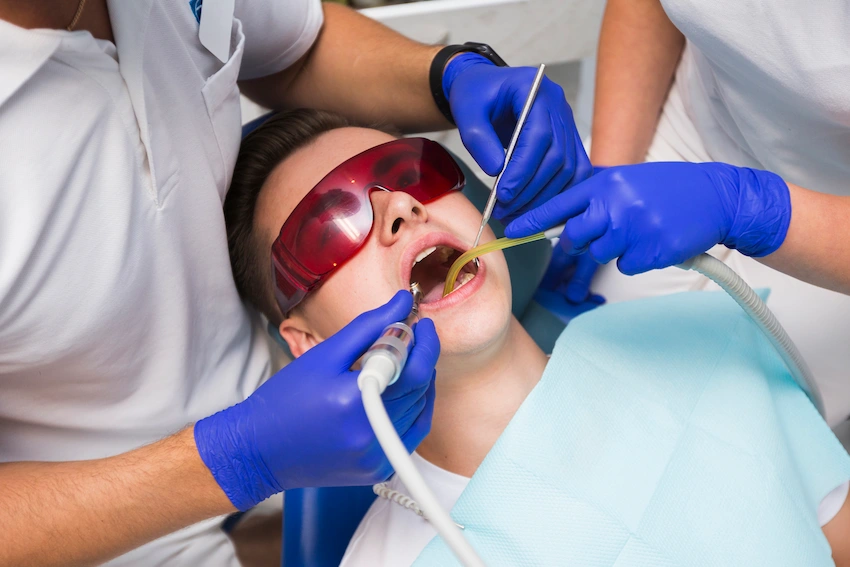
- Scaling: A professional dental cleaning usually starts with scaling. This action is done using an ultrasonic apparatus or hand tools to smash the toughened plaque (tartar) and bacterial colonies off your teeth. This is especially important as tartar cannot be eliminated by just brushing and can cause gum disease as well as other oral health issues.
- Polishing: The dentist or the hygienist firstly works on scaling and then he/she use a gritty paste to give a final polish to your teeth. This way, the detailing includes the growth of the teeth and the removal of plaque.
- Fluoride Treatment: Once cleaning is completed, the fluoride agent is applied to the tooth enamel to enhance it. This treatment can prevent tooth decay and cavities, allowing the teeth to remain stronger for a long time.
- Rinsing and Inspection: A rinse is the last step in the cleaning process, after which the dentist usually does a final check on your oral health. This is the time when he/she makes use of a dental mirror to carefully check, especially the back of the teeth, for symptoms of gum disease, cavities, or other oral issues.
This whole process takes between 30 minutes and an hour, which is relatively quick, and deals with the condition of your teeth and gums.
What are the Benefits of a Professional Dental Cleaning?
Professional dental cleaning not only gives people a beautiful smile but also paves the road to good health. Here is a list of the essential grounds to give weight to periodic cleanings in dental care:
- Prevention of Gum Disease and Tooth Decay: The removal of plaque and tartar through professional cleanings prevents the development of these harmful conditions. When the dental professional fails to rectify the situation, plaque gets accumulated along the gum line and hardens into tartar. The smell & look of the gums become the source of discomfort, and gingivitis, the first stage of gum disease, begins. This leads to severe periodontitis, which is one of the primary reasons for tooth loss. The regular procedure of cleaning helps to nip the problem in the bud, and this is especially the best way to guard against the sores triggering a bad state of health.
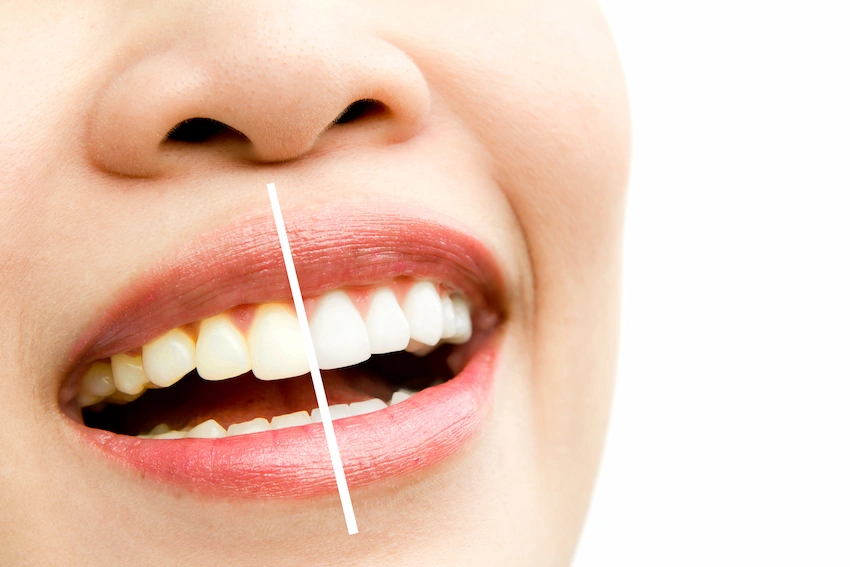
- Brighter Smile: If someone is to rely on the food and drinks, the color of the teeth would not be changing, but instead, the change would be brought out by the stains deposited from the foods and drinks.
- Improved Breath: The growth of plaque and tartar is one of the major sources of bad breath. The problem of bad breath may still be managed after a professional cleaning that will remove the oral deposits. Having regular teeth cleanings, in addition to good hygiene practices (brushing and flossing), is the best option to prevent bad breath.
- Healthier Gums: By maintaining healthy gums, bacteria are kept at a minimum, reducing the risk of inflammation and bleeding, or gum recession. It is important to know that it is healthy gums are the foundation for an overall healthy mouth. They also bring down the chances of other diseases occurring, for example, heart disease and diabetes. Regular teeth examinations also play a part, as the dentist may notice and treat diseases early if they become aware of them in the person’s mouth, fending off diseases of the mouth and body.
This disease breaks the denture and gum, which affects the body. Dental caries, gum disease, or oral cancer will be detected by your dentist or hygienist during cleaning. They are capable of locating the diseases at an early stage, thus giving it a proper treatment and preventing illness of the worst kind.
Before and After a Professional Dental Cleaning
The dentist will first check progress in your dental and medical history before cleaning your teeth. This is to get information about the general health, dental issues, and precautions the patient may have to take during the treatment. In case it is your first visit to a dental office, some X-rays will be taken to examine the condition of your teeth and gums.
After your teeth are cleaned, you will notice a huge difference. Your teeth will be very smooth to touch and healthy-looking looking and your gums will turn pink. Some may experience a slight sensitivity, mainly if one happens to have gum disease and consequently sensitive teeth, although this is usually temporary. It is a must to observe a proper at-home care routine like brushing and flossing so as to keep teeth clean indefinitely, which your dentist has professionally cleaned. You may be requested to come back after six months for a control examination or a cleaning, depending on your oral health condition.
How Often Should a Professional Dental Cleaning Be Done?
The rule of thumb for the frequency of professional dental cleaning is twice a year, that is, every six months. However, the period might be different should your unique oral health needs be considered. Given that the person has been recorded to have a previous gum disease, decay, or similar oral problems, then such a person may receive a recommendation of an accelerated cleaning like the one done every five or four months.
Those who are wearing compromised teeth braces or those who are smoking are two examples of cases that may need more dental cleanings. This is because these groups will mostly have a lot of plaque and tartar deposits, and they may also find it hard to brush off the debris. Thus, your oral health professionals will advise you on their best option based on your requirements, practices, and the conditions of your mouth.
What are the Dangers of a Professional Dental Cleaning?
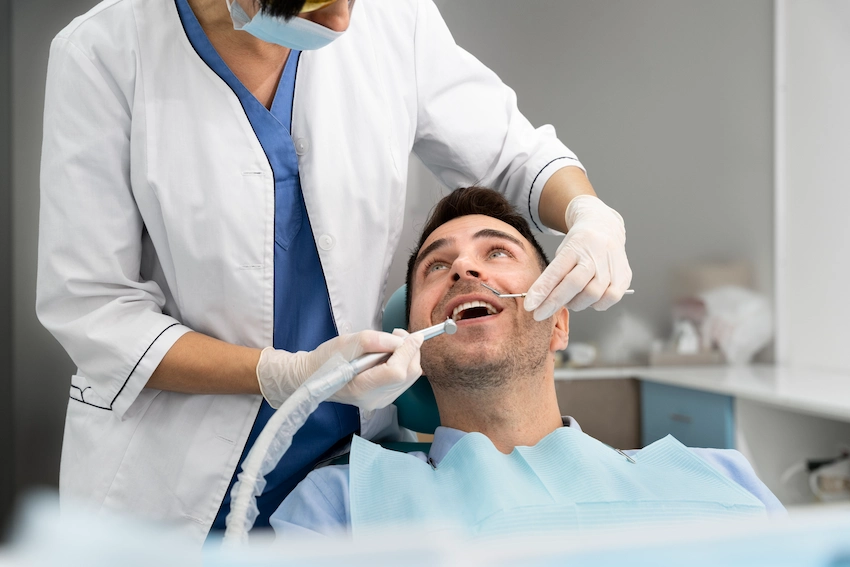
Even though professional dental cleanings do not have negative consequences in general, there are still a few things that might be challenging:
- Discomfort: The scaling of the teeth combined with the application of polish is the main reason why some patients can find the entire process to be a bit painful. Mostly, it happens with people having gum disease or simply with inflamed gums. Furthermore, the discomfort is usually temporary and can disappear within a few hours.
- Gum Bleeding: There is some minor bleeding when the cleaning is being processed, mainly from inflamed gums. The reason is that regular cleanings can stop its appearance, but if gum disease is present, bleeding will always accompany the removal of the tartar.
- Enamel Damage: Unprofessional scaling by ill-qualified persons equipped with unsuitable apparatus may result in a damaged enamel layer. Nonetheless, as legitimate dental workers follow the rules to the letter when cleaning the teeth, such a situation is very rare to happen.
- Sensitivity: Some people experience tooth sensitivity after the cleaning, which leads them to have difficulty in eating and drinking as more toothache is provoked by extremely hot, cold, or sweet foods and drinks. The said sensitivity is often only temporary (i.e., a few days) and does not become an issue. However, failure to cope with the situation promptly may lead to a worsened condition of the dentition, thereby resulting in a toothache that would be hard to bear.
Nevertheless, despite these adverse effects being minimal, the advantages of professional cleaning are much greater, particularly if done by a dental practitioner with expertise.
FAQ: What is Professional Dental Cleaning and How is it Done?
At least two times are enough to brush your teeth in a day with a fluoride toothpaste. Besides, the teeth should be cleaned at least once daily with a floss that is good for your gums. A visit to the dental hygienist twice a year ensures that bacteria and plaque are removed from the teeth’s surface.
Stay away from acidic and sticky foods for a couple of hours after the dental cleaning. The sour taste of foods and drinks like lemon or orange can be irritating to your gums when consumed soon after the cleaning, while the stickiness of foods can cause plaque to build up, thus making the teeth dirty again.
After a dental cleaning, it is better not to smoke as smoking not only causes teeth corrosion but also brings gum infection. The minimum time gap one has to maintain is a few hours to reduce any unintentional damage to their cleaning efforts from the smoke.
You can get a professional dental cleaning during pregnancy, and this is not harmful at all. Any pregnancy condition should be divulged to your dentist to prevent harm to your baby or you from the cleaning process they will use.
Young children of about three years old are the best to start doing professional teeth cleaning since they will have gotten their first set of teeth. Regular dental cleanings should be maintained even as they grow older; such cleanings become part of their daily oral hygiene.