


An overjet teeth means a situation where a person’s upper teeth are pushed out beyond the lower teeth. The name is usually changed to “buck teeth”, which can be caused by several factors such as genetics, bad dental habits, or incorrect dental alignment. The overjet definition would be a description of the problem and its causes, effects on oral health, and the treatment options available to address this condition would be in the next paragraphs.
What Are Overjet Teeth?
So, what are overjet teeth? Overjet describes the gap that runs sideways between the upper front teeth and the lower front teeth. Many times it is mixed up with overbite, but in overbite, vertical overlap is meant (how far the upper teeth cover the lower teeth), whereas, in overjet, the horizontal protrusion of the upper teeth is referred to. A minor overjet is normal, however, a substantial overjet may lead to functional and aesthetic issues.
Causes of Overjet Teeth
What are the causes of overjet teeth? Overjet is a condition that can be brought about by genetics, habits, and environmental factors. Common causes of overjet are:
- Genetics: In many cases, overjet is an inherited condition, that is, it can be passed down through families. So, if your parents were overjet sufferers, it is very likely that you will be afflicted with this disorder too.
- Thumb Sucking or Pacifier Use: Long-lasting thumb sucking or the use of pacifiers more than necessary for infants can lead to the pushing out of the upper teeth and thus to the creation of overjet. This habit can influence the teeth and jaws doing the alignment, particularly if it is still going on after the age of 3 years.
- Jaw Growth Issues: Overjet might be the result of the maldevelopment of the jawbones. In case the upper jaw grows too much ahead of the lower one, or the latter doesn’t grow completely, the result will be the lack of balance, and this will be followed by overjet.
- Teeth Misalignment: The misalignment of teeth which is mostly due to crowding or spaces may be a cause of overjet. When the teeth do not fit properly in the mouth, it can result in an incorrect bite that a part of the upper teeth are sticking out.
- Skeletal Discrepancy: The skeletal imbalance that causes the upper and lower jaws not to be in harmony can be a source of overjet as well. This is often associated with Class II malocclusion where the upper jaw dominates the lower jaw.
Effects of Overjet Teeth
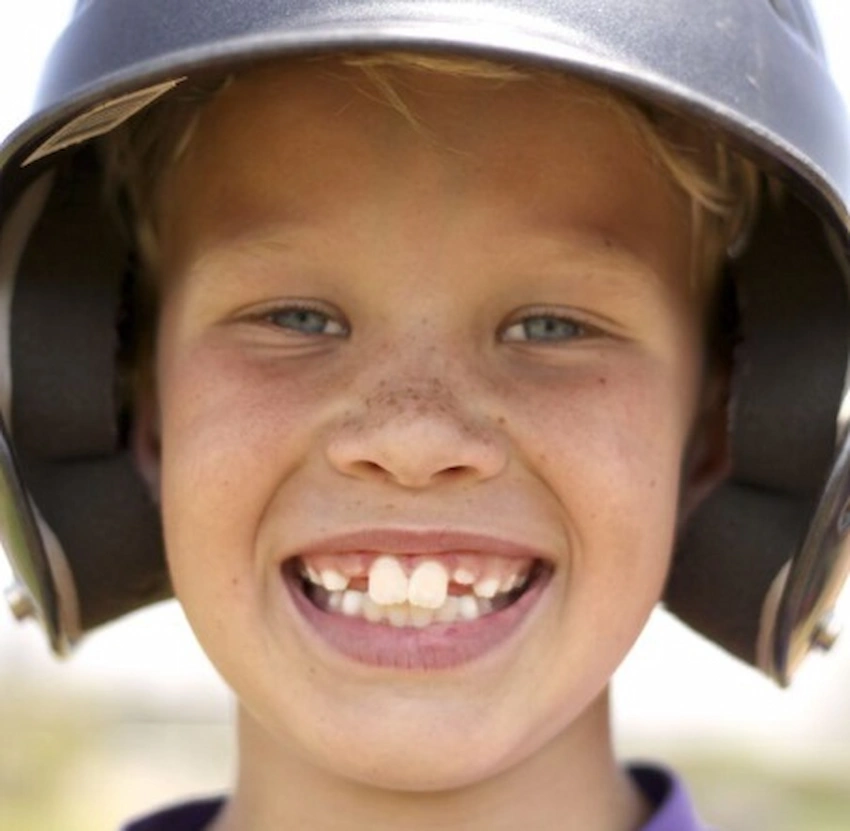
What are the effects of overjet teeth? While people with overjet teeth in some cases do not have any functional issues, overjet of a significant size can be the cause of various dental problems such as:
- Aesthetic Concerns: An overjet that is too noticeable can be the reason for the affected person’s being self-conscious and impacting the smile of the person. The majority of people with overjet teeth concentrate only on this, and their self-esteem is lowered as a result.
- Speech Issues: Overjet is one of the speech problems that can slow down or make it difficult for someone to talk clearly. People with a significant overjet may face such difficulty in speech that they may not be able to say “s” and “th” sounds clearly, which will lead to speech issues.
- Difficulty Chewing: Overjet in a severe way can make a person not able to properly bite or chew his/her food. This can not only make the eating process uncomfortable, but it can also lead to digestive issues in some cases if the food is not properly chewed before swallowing.
- Gum Disease and Tooth Wear: Overjet, in the end, will not only make your teeth wear out unevenly but also cause you gum disease. The sensitivity caused by this, along with decay and gum disease over the years may be symptoms created by the malalignment of the bite.
Treatment Options for Overjet Teeth
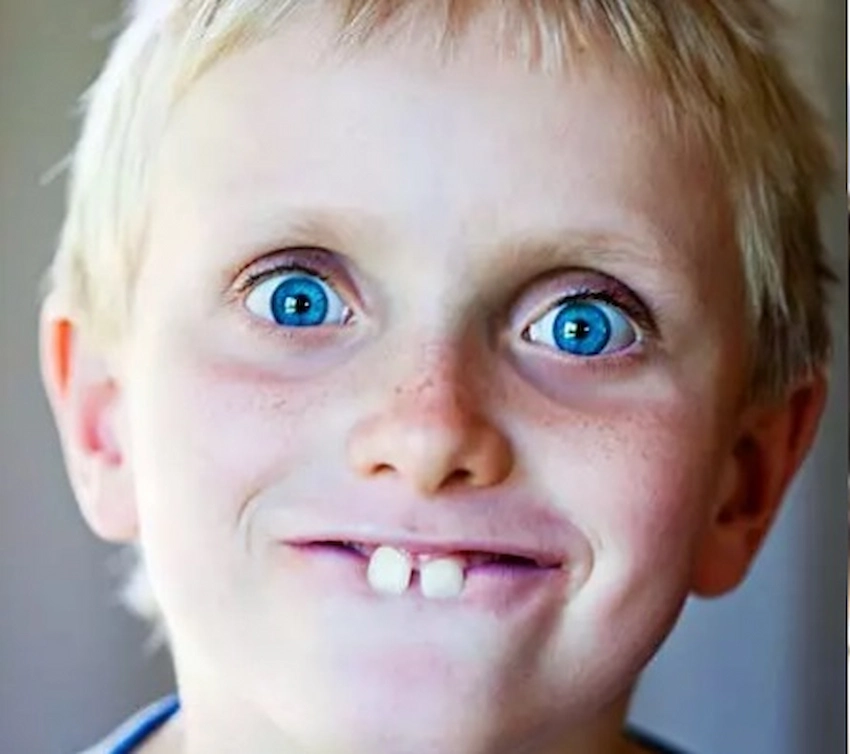
What are the treatment options for overjet teeth? Overjet treatment depends on the extent of the disorder and the patient’s age. The following are some of the options that are available:
- Braces: Braces are the most commonly used means to get rid of the overjet. They can help the teeth to move in the right position and align the bite. Braces gradually, through the constant application of a controlled force on the teeth and jaw, improve the alignment and decrease the overjet.
- Clear Aligners: Clear aligners, such as Invisalign, represent one more way as compared to traditional braces. They gradually bring the teeth to the proper position in the same manner as braces. Clear aligners are a more discreet option for those patients who are anxious about the braces’ appearance.
- Surgery: Only in a very serious case, where overjet is a result of skeletal discrepancies, jaw surgery will be advised. The operation can change either the upper or the lower jaw so that the overjet is corrected and the bite improved.
FAQs About Overjet Teeth
Overjet is the horizontal protrusion of the upper teeth, whereas overbite is the vertical overlap of the upper teeth over the lower teeth.
Overjet is the horizontal protrusion of the upper teeth, whereas overbite is the vertical overlap of the upper teeth over the lower teeth.
Overjet is the horizontal protrusion of the upper teeth, whereas overbite is the vertical overlap of the upper teeth over the lower teeth.
Overjet is the horizontal protrusion of the upper teeth, whereas overbite is the vertical overlap of the upper teeth over the lower teeth.
Yes, overjet teeth are always associated with the need for braces or other orthodontic treatments in order to get the misalignment corrected and the bite improved.
References:
American Association of Orthodontists. (2021). Overjet vs. overbite: What’s the difference? Retrieved from https://www.aaoinfo.org
Mayo Clinic. (2022). Orthodontic treatments for overjet and bite issues. Retrieved from https://www.mayoclinic.org
WebMD. (2021). Treating overjet teeth: Options and advice. Retrieved fromhttps://www.webmd.com/oral-health

