


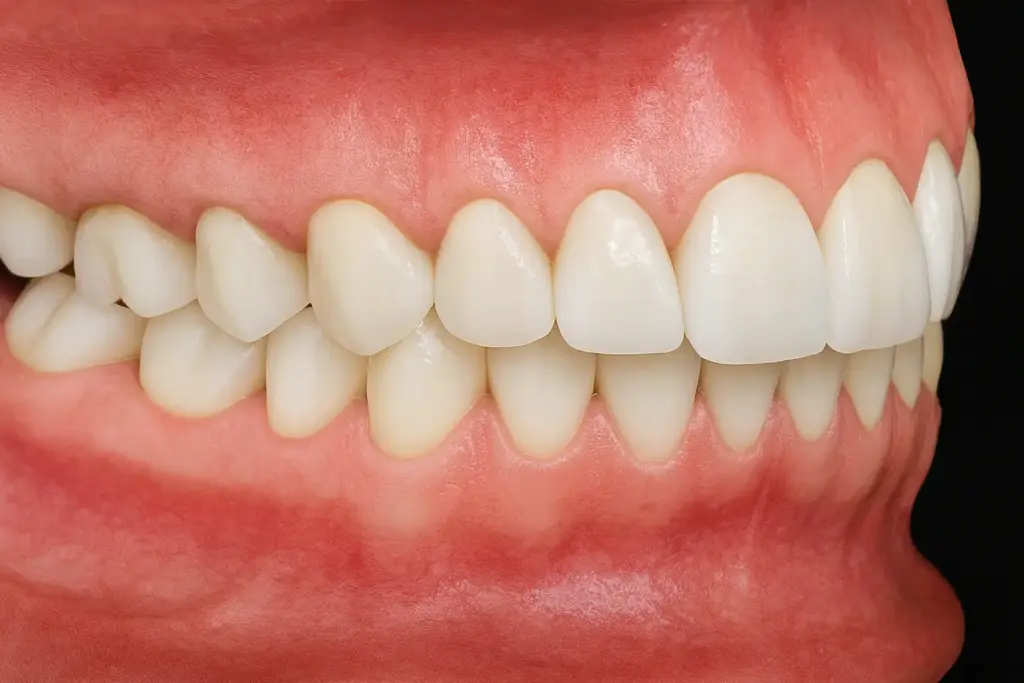
Properly aligned teeth should ideally result in a balanced and harmonious fitting. The interaction between the upper and lower teeth, as well as the way the jaw muscles and joints are coordinated, is termed occlusion. The correct occlusion not only facilitates the person to eat but also keeps the teeth, gums, and jaw joints healthy.
In brief, as far as the dental field is concerned, occlusion means the way the upper (maxillary) and lower (mandibular) teeth are positioned when the jaw is closed. Besides, it also indicates the method of teeth movement against each other during speaking and eating.
In this guide, we will unpack what dental occlusion refers to, why it is significant, the major types of occlusion, and the ways through which you can get a proper bite.
Occlusion is investigated in the course of a routine dental examination to the extent that:
- Your bite is aligned properly way
- Your jaw joints (TMJ) are working normally
- Your teeth are not subjected to any kind of wear or stress
When your bite is off, or in other words, the state of malocclusion can cause the problem of the teeth wearing out, gum disease, the uncomfortable feeling of the jaw, or even changes in the look of the face over time.
Why Is Occlusion Important?
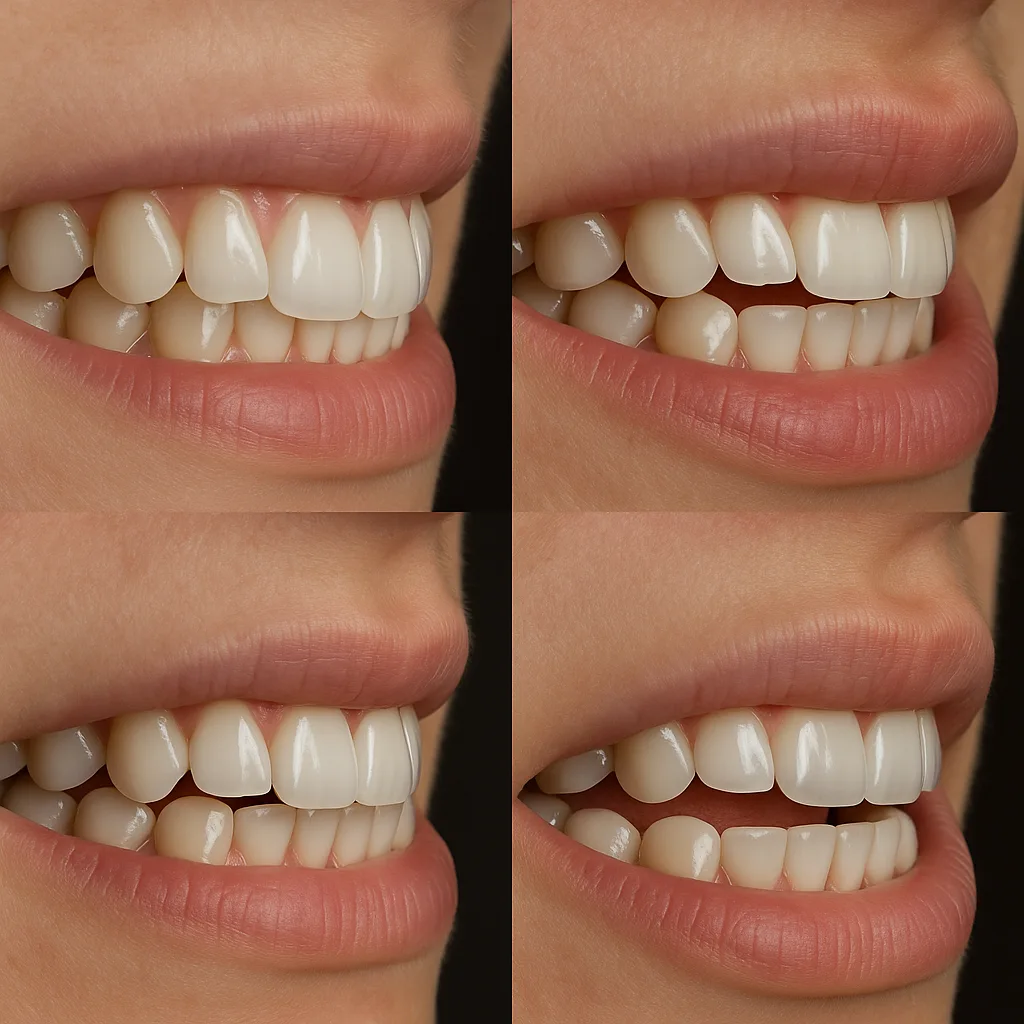
Optimal occlusion has a major impact on the oral health of the individual in a positive way. Proper bite alignment is beneficial for:
- They allow the forces exerted by chewing to be spread out evenly so that one tooth will not bear too much force.
- From a preventive aspect, teeth and dental works such as veneers, crowns, or implants are being protected against life-shortening situations.
- Stop the occurrence of Temporomandibular Joint (TMJ) disorders, which generate pain in the jaw, make a popping noise, and limit jaw movement.
- Teeth and tongue work efficiently for you to keep the clarity of your speech.
Malposition of teeth resulting in poor occlusion can do damage slowly and silently over the years, so regular dental check-ups play a major part in early diagnosis.
Common Types of Occlusion in Dentistry
Occlusion is divided by dentists into groups according to the relationship between the upper and lower teeth. The most commonly used system is that of Angle’s Classification.
1. Class I Occlusion (Normal Bite)
The former is the ideal occlusion. The combination of the teeth is such that the incisors of the upper jaw overlap the lower ones by a small part, and thus the whole bite is balanced. At the same time, mastication is performed practically and with little risk of injury to the temporomandibular joints.
2. Class II Occlusion (Retrognathism / Overbite)
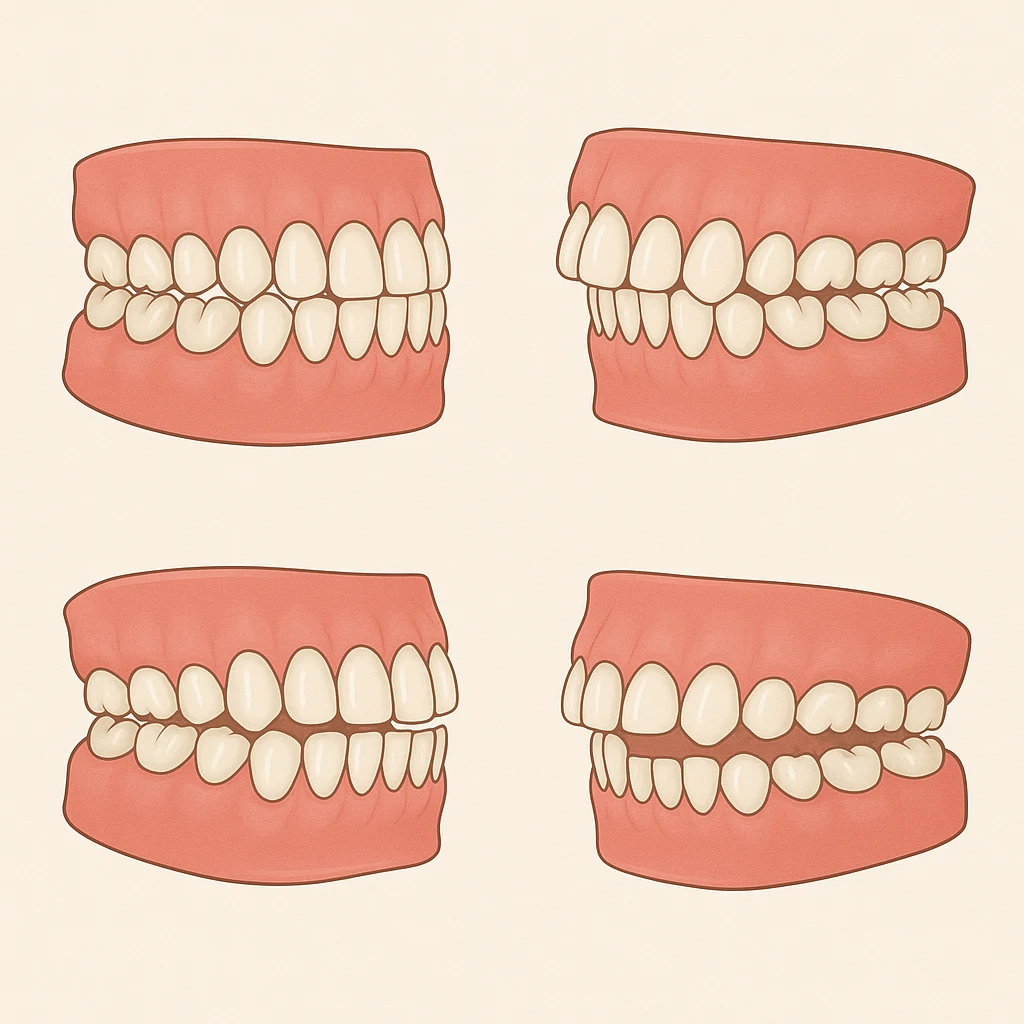
The upper teeth and the jaw in Class II occlusion are comparatively placed in front of the lower jaw and thus protrude. As a result, a deep overbite may develop in which the upper incisors cover the lower ones almost entirely.
- Origin such as: hereditary, thumb-sucking during early childhood, the lower jaw growing in the wrong direction
- Problems that may arise: the occurrence of pain in the jaw, difficulty in biting, an appearance that will make you feel uncomfortable with
3. Class III Occlusion (Prognathism / Underbite)
The situation when the lower jaw is ahead of the upper one and thus the lower teeth are on top of the upper teeth is called Class III occlusion. In this way, the underbite phenomenon develops that not only can make eating difficult, but also speaking.
- Causes: Jaw growth imbalance, heredity, premature loss of deciduous teeth
- Possible problems: Trouble with cutting food, TMJ strain, changes in facial profile
Other Bite Variations Dentists Monitor
On top of the main classifications, dentists pinpoint particular bite problems.
- Open Bite – The upper and lower front teeth are not touching when the back teeth are closed.
- Crossbite – Some of the upper teeth are lying inside the lower teeth when the mouth is closed.
- Deep Bite – Too much vertical overlapping of the front teeth.
- Edge-to-Edge Bite – Upper and lower teeth come into direct contact, thus resulting in the wear of the teeth.
How Dentists Diagnose Occlusion Problems
Generally, dentists may opt for the following procedures to verify your occlusion:
- Visual examination of both the bite and the jaw movement
- Bite registration for recording the relationship between the jaws
- Dental models or 3D scans for the study of alignment
- X-rays or CBCT scans for checking the jaw structure and TMJ health
Can Occlusion Be Corrected?
Yes — dentists are able to fix occlusion with the following methods:
- Orthodontics (braces, clear aligners) and the movement of teeth to the right positions
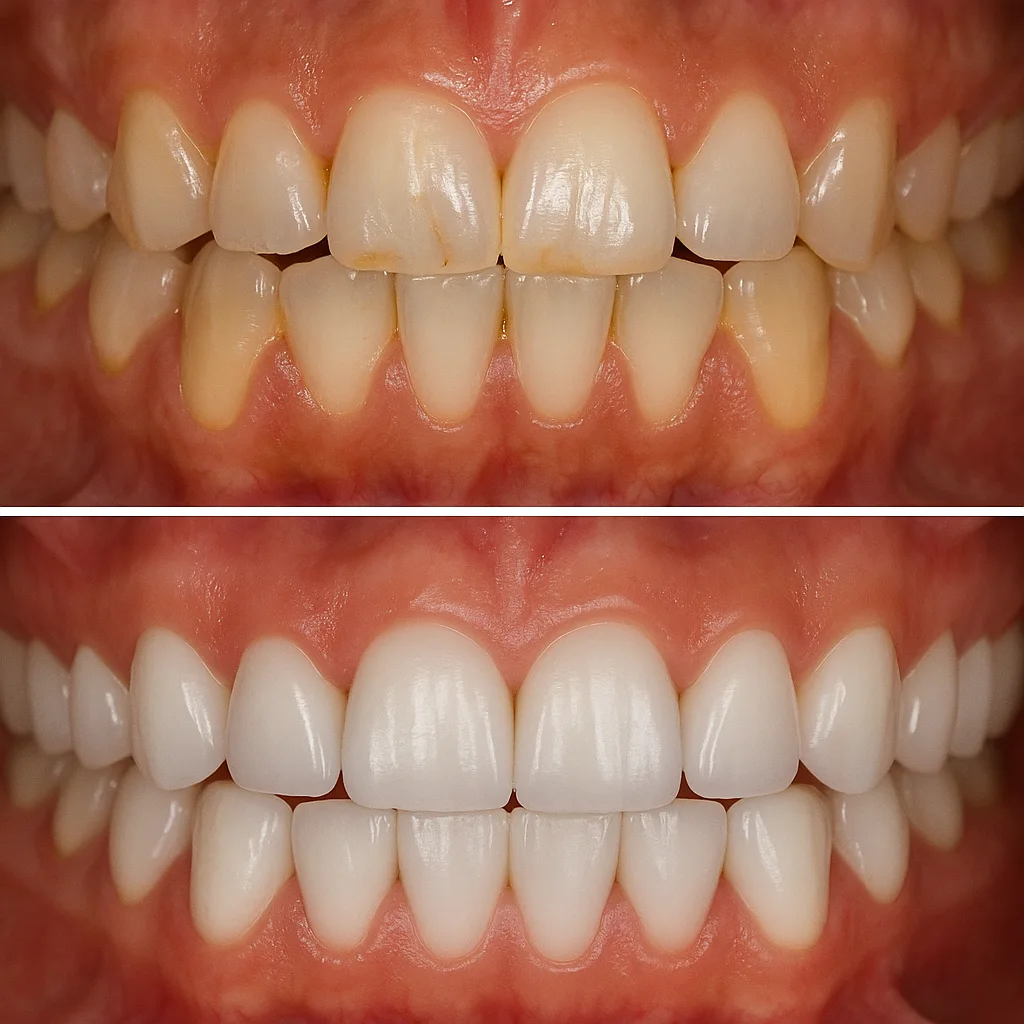
- Restorative dentistry (veneers, crowns, bridges) for the rebuilding of worn teeth
- Occlusal adjustments are made by removing and reshaping the tooth surfaces
- The use of surgery for the correction of serious jaw misalignment cases
The Link Between Occlusion and Cosmetic Dentistry
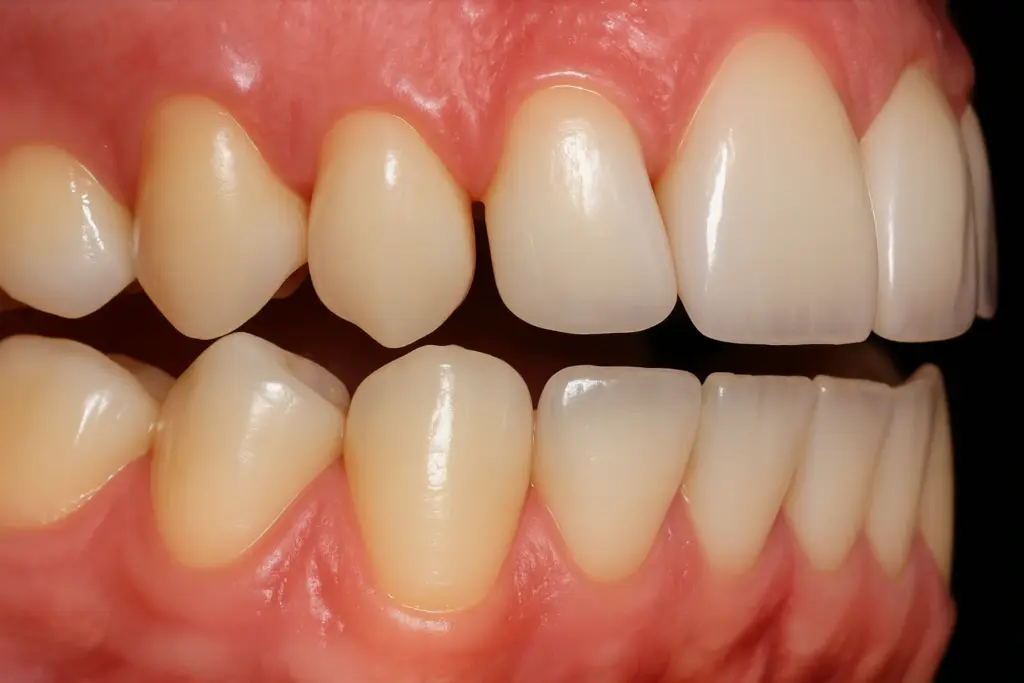
In case you are thinking of going through veneers, dental implants, or a Hollywood Smile, your occlusion should be the very first point of focus. At Lema Dental Clinic in Istanbul, our expert dental surgeons, before as well as after, cosmetic procedures are carried out, and they make sure that your bite is impeccably balanced. Not only does this facilitate an aesthetically pleasing outcome, but it also assures you of the longevity of your investment.
Final Thoughts: Why Choose Lema Dental Clinic for Occlusion and Smile Design?
We, at Lema Dental Clinic, have the perfect combination of innovative dental technology, the know-how of the past several years, and an absolute infatuation with aesthetics. In any case, if you were to go for a simple occlusion adjustment or a complete smile transformation, the treatments we create are just right as they serve their purpose and look great as well. The patients of us are the patients who get to enjoy healthy occlusions, breathtaking smiles, and comfort that lasts over time.
📍 Are you in doubt whether you need an occlusion treatment or a Hollywood Smile? Make a visit to Lema Dental Clinic in Istanbul, and take the easy step towards a perfect smile.
Frequently Asked Questions About Occlusion in Dentistry
In dentistry, occlusion refers to how your upper and lower teeth come together when you bite or chew. It includes the alignment of the teeth, jaw position, and how your teeth slide over each other during movement.
The main types of dental occlusion are Class I (normal bite), Class II (overbite), and Class III (underbite). Dentists may also identify variations like open bite, crossbite, deep bite, and edge-to-edge bite.
A correct occlusion ensures proper chewing function, protects teeth from excessive wear, reduces jaw strain, and helps prevent TMJ disorders. It also plays a role in speech clarity and overall oral health.
Yes, some occlusion issues can be treated without braces using veneers, crowns, or selective reshaping of teeth. However, severe misalignments often require orthodontic treatment like braces or clear aligners.
Untreated occlusion issues can lead to tooth damage, gum recession, jaw pain, chronic headaches, and even changes in facial appearance over time.

